
The first time I went wine tasting, I could have used some guidance about the mysteries of the experience, from the art of swirling to techniques for maximizing the sensory experience in every sip. Many years and tastings later, I can help demystify the process of wine-tasting in Oregon’s storied vineyards for other newbies. Here are a few of my top tips for those new to wine tasting, along with itineraries highlighting the best of the state’s diverse wine regions.
Getting Started with Style
Oregon is best known for its pinot noir, but there are actually over 80 varieties grown in the state, including chardonnay, riesling, syrah and cabernet. Part of the fun of wine tasting is that you can get the chance to try a range of wines and see what suits your palate.
While some wineries allow drop-in visits, most require or encourage reservations. Make your own reservation on the winery’s website, or — even easier — book a guided tour of a wine region. Always make safety a priority by using a designated driver, whether someone in your group or a tour guide.
At the tasting room, you’ll receive a list of the wines you’ll be sampling that day. If you’re asked to choose from the list, feel free to ask for recommendations. The staff will usually describe the characteristics of each wine and its terroir — which refers to the habitat in which a grape is grown.
Most people like to swirl their wine a bit in the glass to enhance the aromas in the glass and examine the color. You can avoid spill risks by placing your glass on a table to stabilize it and then moving it in a circular motion. Breathe deeply inward and notice what you smell, thinking of categories like flowers, citrus and fresh fruit or deeper flavors such as blackberry jam or leather. Then take your first sip, slowly, letting the wine linger on your tongue and in your mouth a bit before swallowing. Feel free to pour out wine you don’t want — you won’t offend anyone. Once your glass is empty, your host will stop by with your next pour.
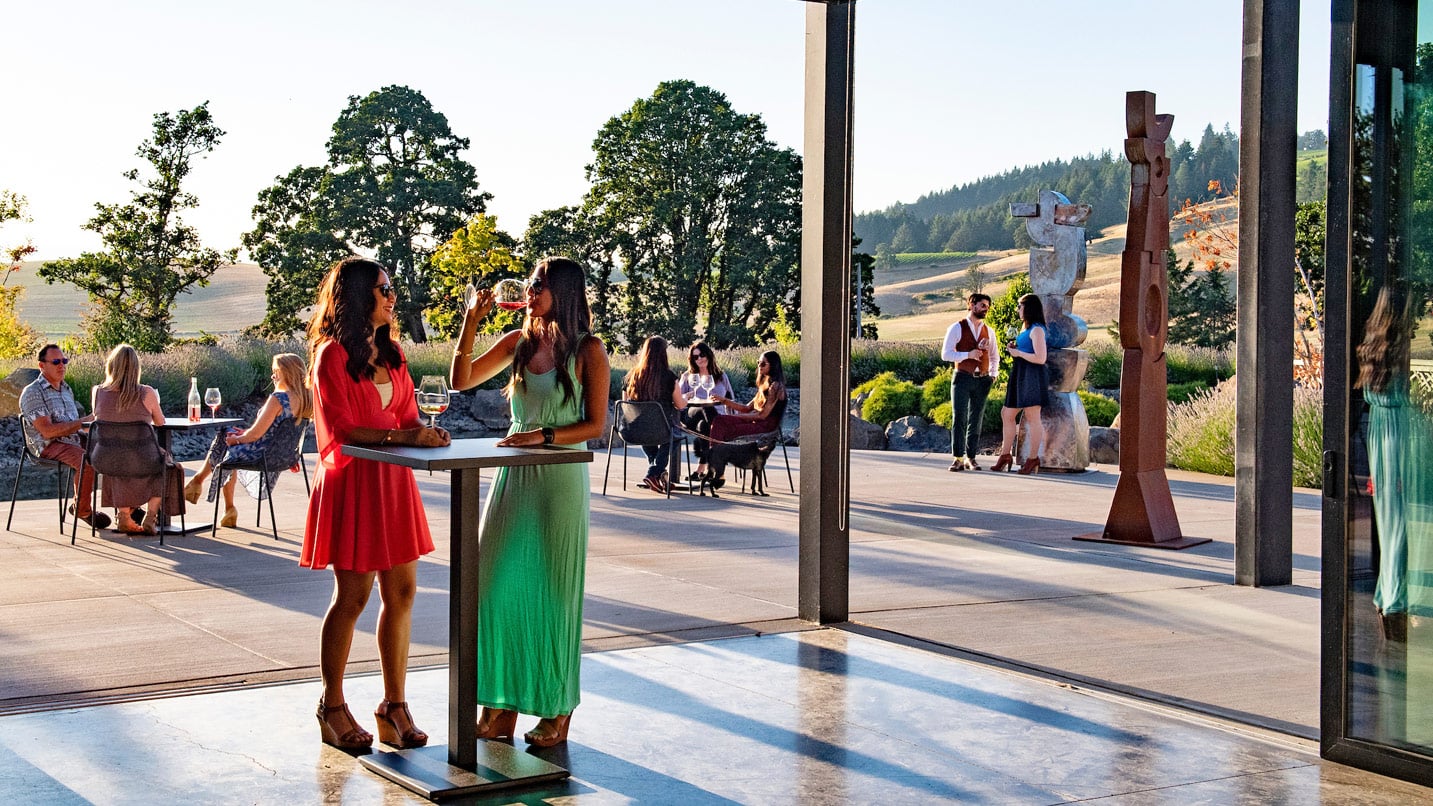
While summer is a popular time for winery visits, especially because you can sit out on sunny terraces and take in vineyard views, wine tasting is a year-round activity in Oregon (though some wineries do shut down in January and February). In November, wineries across the state — from the Willamette Valley to the Rogue Valley and everywhere in between — celebrate their version of Wine Country Thanksgiving with special tastings, new releases, food pairings, live music, holiday discounts and more.
If there’s something that you particularly enjoyed, consider buying a bottle or case. While tasting fees help offset the cost of pours, most Oregon wineries are small, family-owned businesses that rely on sales from in-person visits and wine-club memberships. Many wineries can ship bottles directly to your address. If you’re traveling on Alaska Airlines, the Wines Fly Free program lets Atmos™ Rewards mileage plan members check a case of wine, free of charge, on domestic flights departing from 32 cities in Oregon, Washington, Idaho and California.
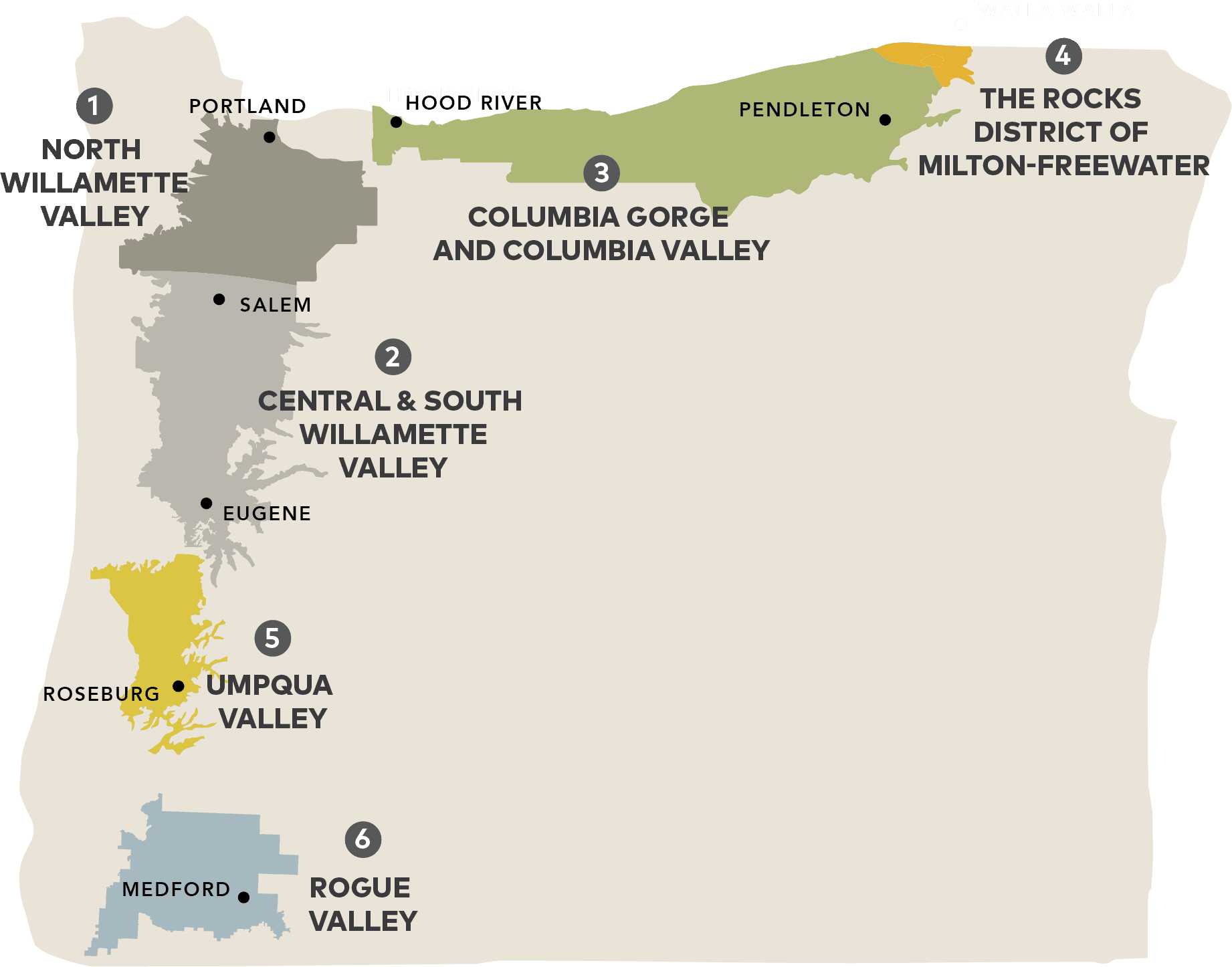
Six itineraries for Oregon’s wine regions
1. North Willamette Valley
Vine-to-Table Experiences
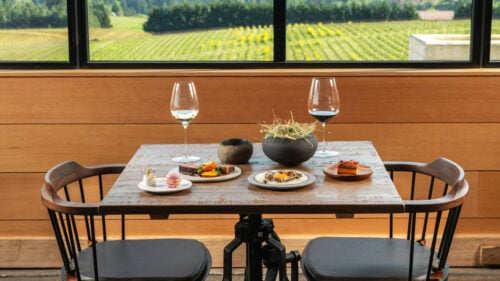
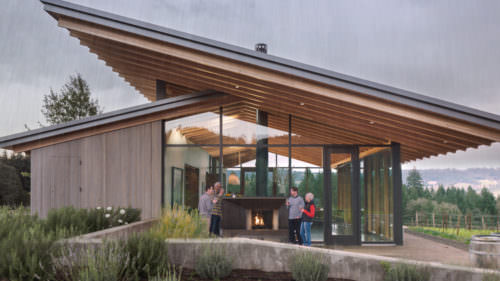
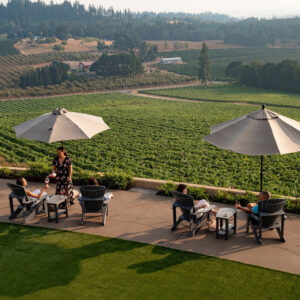
With miles of rolling hills blanketed with expansive vine plantings, this bucolic stretch looks like it could have been plucked straight from a painting. While the region is home to Oregon wine stalwarts such as The Eyrie Vineyards and Argyle Winery, there are also plenty of smaller tasting rooms worth visiting, including micro-boutique Bells Up Winery and Utopia, which handcrafts pinot noir and chardonnay. Other great stops include beloved biodynamic pioneer, Maysara Winery, as well as recently launched LucidWild Estate, which pairs tastings with incredible views from its panoramic sky terraces. For lunch, splurge on a multi-course food-and-wine-tasting experience at Amity’s Antica Terra, or visit one of the many farm-to-fork restaurants in Dundee, Newberg and McMinnville.
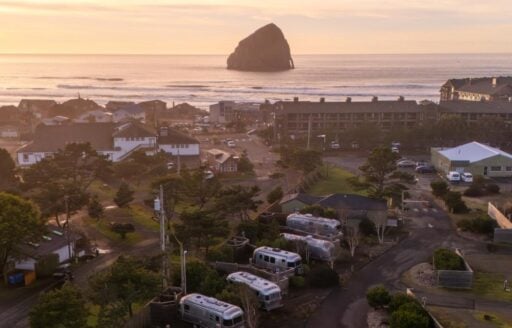
If you want to experience the North Willamette Valley like a true Oregonian, head out on a cycling and wine-tasting tour with Wine de Roads or saddle up for an adventure with Equestrian Wine Tours, or stick to Portland and explore the urban winery scene with Lost Plate For an easy daytrip from Portland to the heart of the valley, head out on a bespoke adventure with NW Wine Shuttle or join Triangle Wine Country Tours on a small-group or private wine excursion, including “Not Your Parents Beginner’s Wine Tours” for newbies. Triangle’s “wine dog,” Cassie, will join you on request. When you’re done for the day, retire for a night at Bella Collina Bed & Breakfast atop a quiet countryside hilltop, or rest your head on the pillows inside a restored Airstream at The Vintages Trailer Resort. If you’d rather leave all of the planning to someone else, Destination Willamette offers curated packages that cover transportation, tastings and accommodations.
2. South and Central Willamette Valleys
Family Farms and Hilly Vineyards
The hilly terrain continues as you make your way south of Salem, the state capital, eventually opening up into wide-open expanses. This region is home to the massive Willamette Valley Vineyards along with many smaller options, including compact La Chouette Vineyard, which produces small batches of estate pinot noir and chardonnay, and Cória Estates, a Mexican-American family-owned winery offering fantastic views with its pinot and chardonnay. Many of the South Willamette Valley’s wineries are located on the outskirts of Eugene, including Antiquum Farm in Junction City, where you can taste their fantastic pinots while learning about “grazing-based viticulture,” the farm’s innovative approach to growing wine grapes.
South of Eugene, King Estate is one of Oregon’s largest and most lauded wineries. A good way to experience the region is by basing yourself in the Eugene-Springfield area and then heading out on day tours with Oregon Vine2Wine or Sip, Savor, Explore, who offer half-day tours from both Eugene and Portland While in town, hit up some of Eugene’s many urban wineries and tasting rooms before retiring for the night at the Valley River Inn or The Gordon Hotel.
3. Columbia Gorge and Columbia Valley
Dynamic Land and Great Grapes
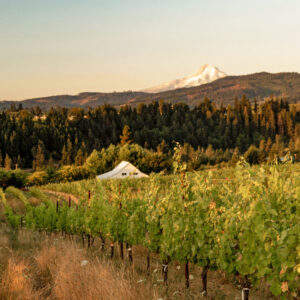
This region’s two distinct climates make it ideal for growing a wide range of grapes, from pinots in the cooler western area to merlot and cabernet sauvignon in the sunnier stretch east of the Cascades. Wineries include Sunshine Mill Winery — housed in a repurposed historic flour mill in The Dalles — and family-owned Wy’East Vineyards in the Hood River Valley. It’s not just grapes that thrive here. Fruit orchards abound, particularly in the Hood River area, making it a prime area for cideries such as Draper Girls Cider Co. Visit on a drive along the Hood River Fruit Loop, a 35-mile scenic loop with dozens of opportunities to stop for sips and snacks produced in the region.
For a casual fine-dining and pairing experience, head to Hiyu Wine Farm, where the typical wine-tasting model is turned into a meal with wine pairings. Spend the night at a luxury property such as the hilltop Sakura Ridge Farm & Lodge or stay in the center of the action at Lightwell Hotel & Spa in Hood River. For a guided tour, try Columbia Wine Tours.
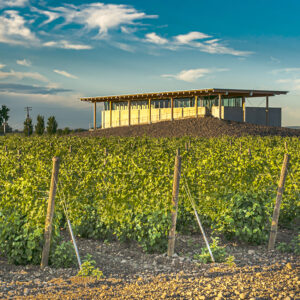
4. The Rocks District of Milton-Freewater
Rich Reds and Volcanic Soil
Part of the larger Walla Walla Valley wine area, this region is named for the small Eastern Oregon town of Milton-Freewater northeast of Pendleton. It’s known for its unusual volcanic terroir, which gives many of the wines a taste described as “minerality.” Try the tannat, mourvèdre or estate syrah at Rotie Cellars’ Rocks Estate or the albarino, sangiovese or grenache — a grape originating from Spain — at Los Rocosos Vineyards.
When it’s time for lunch, head over to Mongata Estate Winery for a private picnic lunch amongst the vines. For a unique stay, try the Prydwen tiny house at Dragon’s Gate Brewery.
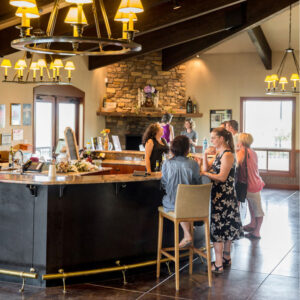
5. Umpqua Valley
Waterfalls and Spanish Wines
Known for its forested waterfalls near Roseburg, the Umpqua Valley is worth visiting for its scenery alone. It’s also a well-established wine region, and Oregon’s first pinot vineyard was planted in the valley, at HillCrest, back in 1961. While pinot remains popular in the Umpqua Valley to this day, this region has enough climate diversity to make it equally suitable for warmer-climate Spanish varieties such as the tempranillo (a medium-bodied red variety) for which Abacela is known. Cool-climate wines thrive here, too, including Austria’s zesty Grüner veltliner varietal. Try it at Reustle Prayer Rock Vineyards, the first commercial Grüner veltliner producer in the country.
If you want to sample a range from this region, visit The Secret Wine Society, a cozy tasting room in tiny Oakland where you can learn about a variety of local wines while you snack on artisan cheese and charcuterie. After a long day of exploring the valley, retire for the evening at one of Roseburg’s historic bed and breakfasts such as Terraluna Inn or the John Rast House.

6. Rogue Valley
Historic Wineries and Wild Waterways
Known for its mild climate and for the Rogue River — famous for whitewater rafting and year-round fishing — Rogue Valley Wine Country was also ranked as the #2 top wine region in the nation by USA Today readers in 2025. Dive in with a tour by Roguetrotter Tour Co., which will take you out on a custom tour to lovely properties such as Quady North, Red Lily Vineyards and Troon Vineyard. Don’t miss visiting family-run spots such as Foris Vineyards, a valley standard since 1974; Schmidt Family Vineyards, which offers pizza to pair with your pours; and Cowhorn Vineyard & Garden, a beautiful biodynamic property offering estate visits and stays in the warmer months and tastings at their downtown Jacksonville outpost in the winter.
For a bit of history, visit EdenVale Winery to sip syrah, viognier (a white grape variety) or pear cider on the grounds of the first commercial pear orchard in the U.S. Then head to the historic Ashland Springs Hotel in downtown Ashland for an overnight stay or just drop by for dinner at the hotel’s classic Larks Home Kitchen.