


What are the top things to do at Crater Lake National Park in the summer? You can hike, bike, camp, enjoy the accessible trails, and make it an essential part of your Pacific Northwest summer road trip, since Crater Lake is very much open and welcoming visitors.
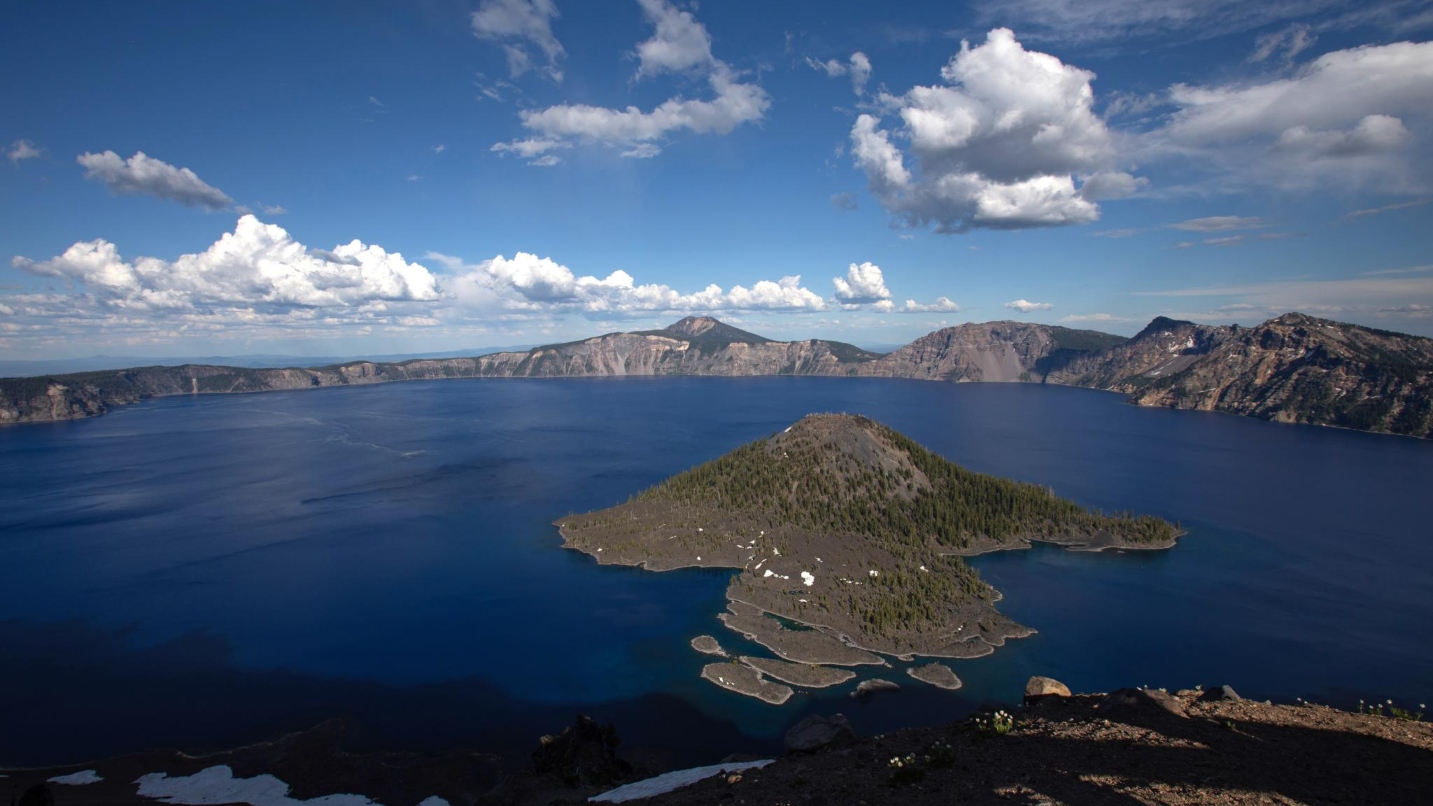
As Oregon’s only national park, this iconic landmark is a special place. At 1,940 feet it’s America’s deepest, bluest lake, part of a massive caldera that formed when Mt. Mazama erupted more than 7,700 years ago. Fed by rain and snow, it’s one of the most pristine lakes on Earth, an awe-inducing sight for artists and photographers, and a sacred place for local tribal communities, who have passed down long-held creation stories.
For adventurous nature lovers, Crater Lake is a snowy wonderland in the winter and spring — perfect for snowshoeing and quiet beauty. However when the snow melts in late June or July, the park transforms into an easily accessible adventurer’s paradise, full of opportunities for hiking, biking, camping and family road trips galore. Just be sure to follow Leave No Trace practices during your visit, to preserve the park for generations to come.
Whether you spend a few hours or a few days at the park, here are eight top ways to enjoy Crater Lake this summer.
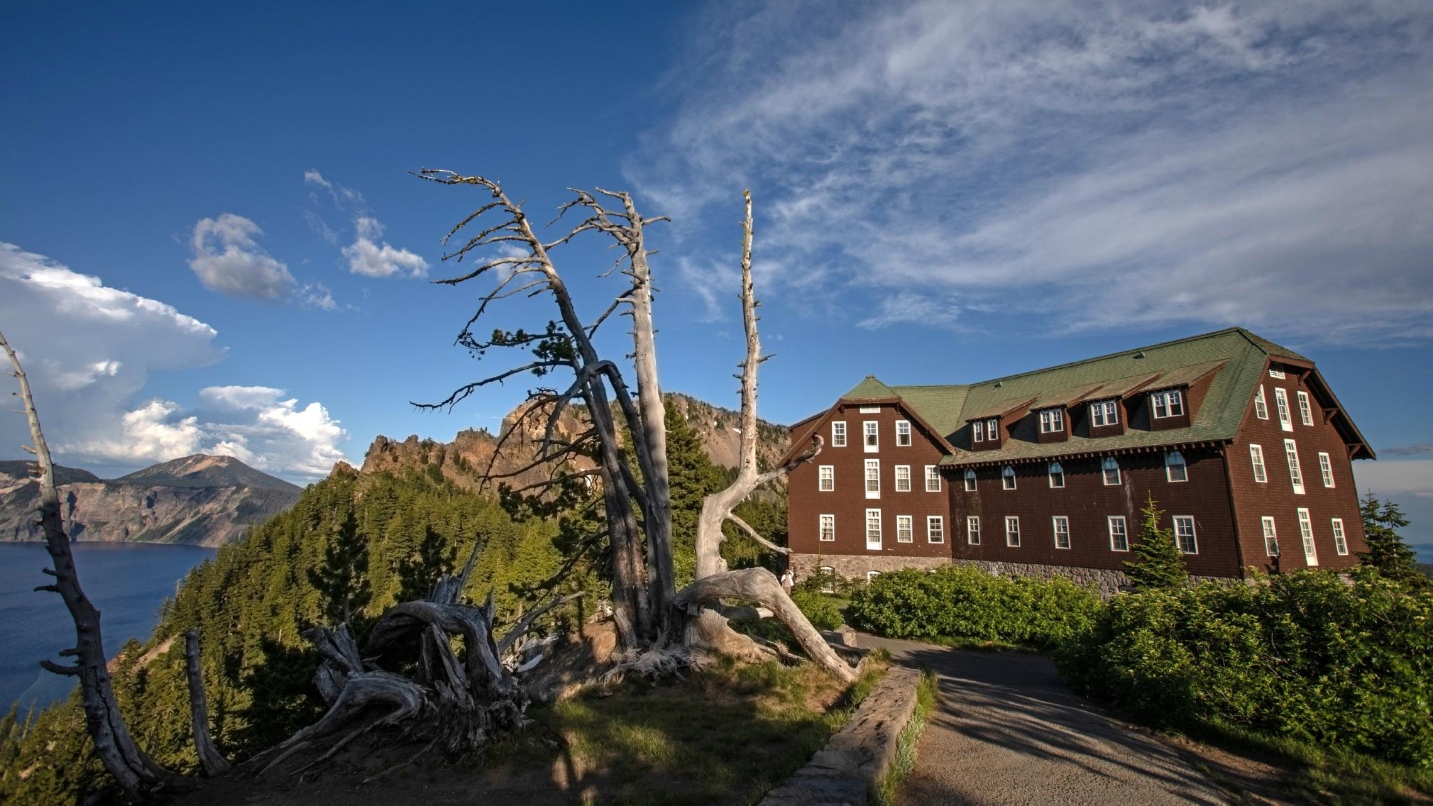
1. Book a room at the lodge, a campsite or cabin.
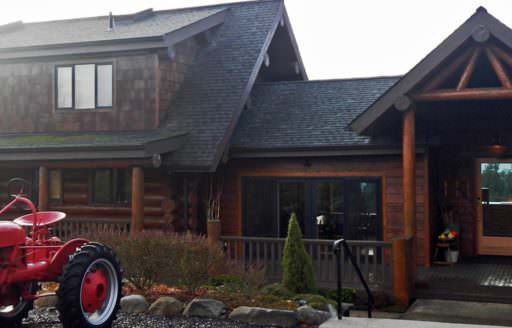
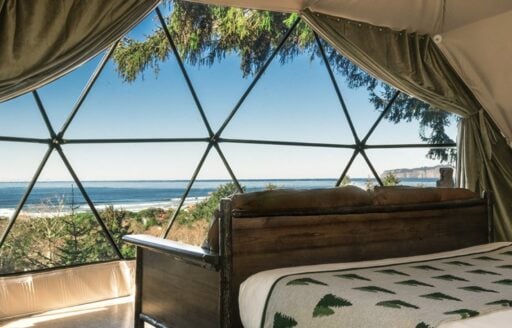
You could just spend a few hours at Crater Lake, but for the most immersive experience it’s lovely to stay overnight. Book well in advance for comfortable and convenient lodging at Crater Lake Lodge, The Cabins at Mazama Village or Mazama Campground within the park — all reservable at Recreation.gov. Note that the campground is open June through late September, situated in old-growth forest at 6,000 feet elevation.
Or find plenty of excellent, family-friendly nearby options just outside the park including Running Y Resort, Lake of the Woods Resort or tribal-owned Kla-Mo-Ya Casino, all under an hour south. The Klamath Inn is a uniquely Oregon bed-and-breakfast in a 1920s historic home with six thoughtfully designed rooms, each inspired by wildlife conservation as part of the Theodore Roosevelt Conservation Partnership. Inquire at the property about special package deals and to book a private guide to help experience the park more deeply.
2. Book a trolley tour.
Mid-July through mid-September, taking a trolley tour of the historic 33-mile Rim Drive around Crater Lake is a relaxing way to take in the sights without the worry of driving or parking, since the park gets crowded in summer. Book a spot with Crater Lake Trolley for a 2-hour tour that includes five to seven stops at significant overlooks with opportunities for photos and reflection. The staff on-board offer narration, trivia and a dash of fun. Pets aren’t allowed. Trolleys are enclosed and wheelchair accessible with advance notice. Tickets sell fast, so it’s best to book in advance; check the website or call for tour times, reservations and ticket prices.
3. Check out the accessible paths and viewpoints.
You don’t have to take on a strenuous hike to enjoy the dazzling lake views. Half a dozen trails are 2 miles or less with brief elevation, including two (The Pinnacles and Plaikni Falls) that are accessible to all-terrain wheelchairs. Another five are pet-friendly, including Godfrey Glen, which leads through an old-growth forest above a canyon with pinnacles. This 1.1-mile trail is resurfaced for all-terrain wheelchairs with assistance. Lady of the Woods is a .7-mile nature loop with a self-guiding brochure you can pick up at the trailhead behind Steel Visitor Center. The highlight of this trail the 3-foot stone sculpture named for the figure of a woman carved from a large volcanic boulder by Dr. Earl Russell Bush, a physician working for the Corps of Engineers in October 1917.
Check the park map for the full details and choose the hike that’s best for your group. The most popular trail at the park is Rim Trail, which parallels the caldera for a mile and is an easy way to stroll and see the whitebark pines, pumice fields, wildflowers and geology of the lake — not to mention Wizard Island, home to little critters like the Mazama newt, which can only be found at Crater Lake. Other unique features to look for are the Phantom Ship (a tiny rocky island with jagged volcanic peaks) and Old Man of the Lake (an old hemlock stump that has been floating upright in the lake since the 1800s).
4. Take on a dramatic hike.
Those looking for intermediate- or expert-level hikes at Crater Lake will find plenty of challenging options filled with wildflowers, pica, marmots and rewarding views along the way. These begin at the rim and rise to about 7,100 feet in elevation, so be sure to know your health and carry your Ten Essentials for hiking.
Garfield Peak Trail, 3.6 miles roundtrip with 1,010 feet of elevation gain, is leads through a meadow with switchbacks and views of the lake and valleys, craggy peaks and scree slopes. Watchman Peak Trail, 1.6 miles roundtrip with 420 feet of elevation gain, is a popular destination for sunset since it leads to a fire lookout with 360-degree views across the lake and landscape. Mt. Scott Trail, 4.4 miles roundtrip with 1,250 feet of elevation gain, leads to the park’s highest peak at 8,929 feet. Mt. Scott hikers trek through geologic time and are rewarded with the only view of the entire lake from within the park.
Note that the Cleetwood Cove Trail is closed through 2028 for a rehabilitation project. This steep and strenuous trail is the only one at the park that leads to the lake itself, yet is not used by most visitors. During the closure there is no swimming, wading, fishing or boat tours at the lake.
Backpacking at the park is popular, including the 32-mile section of the Pacific Crest Trail that runs through the park. Be sure to obtain the required backcountry permits, free of charge and issued in person on the day of or day before your trip.
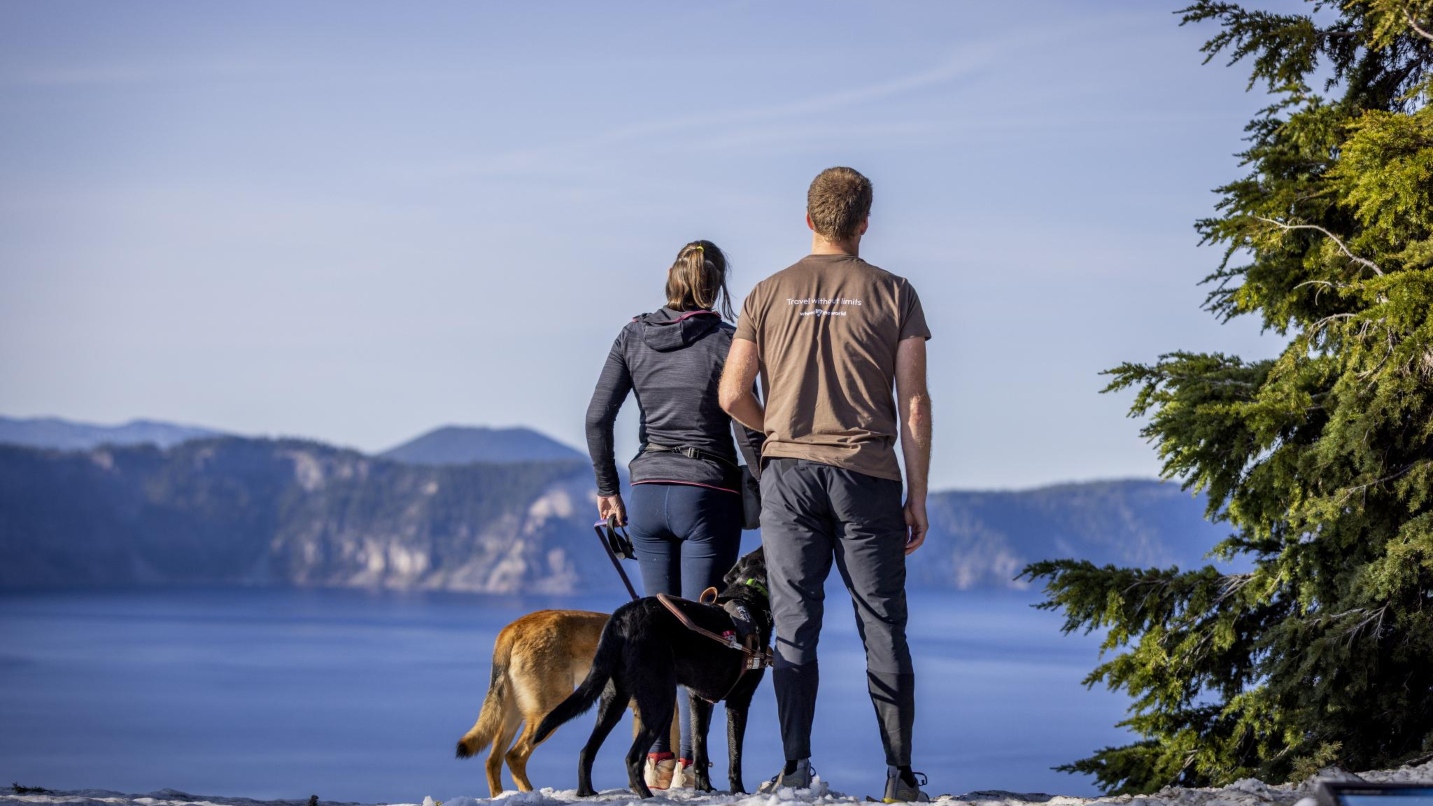
5. Participate in Ranger and Junior Ranger programs.
Available June through mid-September, free summertime Ranger-led programs are a superb way to be fully immersed in the park’s cultural, geographic and natural history. Rangers offer short talks on various subjects at the Sinnott Memorial Overlook in Rim Village. You can also check out late afternoon talks at Crater Lake Lodge — presented on the patio with lake views or indoors near the fireplace. In the evening, look for scheduling of night-sky programs offered through the summer. Check the park’s website and social media for ranger-led hikes and other special programs that will be offered during your visit. Kids of all ages may stop by one of the park’s visitor centers and ask for a Junior Ranger Book. Once the required pages are completed, return to the visitor center to talk with a ranger and receive a badge.
6. Go on a full day guided tour
Join expert guides on an all-inclusive tour of Crater Lake and nearby highlights with Rogue Trotters. Pickups and drop-offs are available in Ashland, Medford and Grants pass. Along the way you’ll follow the Wild and Scenic Rogue River, stopping at several waterfalls and the historic Lake of the Woods resort before reaching Crater Lake. The day includes a picnic lunch on the patio of Crater Lake Lodge, with sweeping views of the lake’s deep blue water.
7. Find great food and drink.
Within the park you’ll have access to three dining options: Crater Lake Lodge Dining Room (rustic white tablecloth vibe, scenic views and hearty favorites), Annie Creek Restaurant (pizzas, sandwiches and ice cream) and Rim Village Cafe (grab-and-go sandwiches and snacks). Outside the park you can find great casual dining in the area at Beckie’s Cafe, at Central Point’s Rogue Creamery, or along the Great Umpqua Food Trail.
It’s also fun to pick up items from local markets and eateries outside the park and make yourself a picnic at one of many scenic picnic areas in the park. Just be sure to keep food out of reach of local wildlife, since birds and ground squirrels often try to beg and steal from visitors. It’s also crucial to clean up after yourself and leave no trace of food scraps or wrappers for the health of the park’s ecology and wildlife.
8. Add on more outdoor adventures nearby.
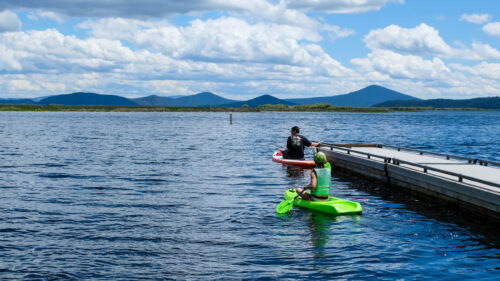
Book a guided kayak or zipline adventure with Crater Lake ZipLine, a guided fishing trip with Roe Outfitters or a rafting trip with Indigo Creek Outfitters on the new Klamath River, after the dam removals. Take a stroll to spot birds and other wildlife at the Upper Klamath National Wildlife Refuge, or rent a paddleboard, canoe or kayak to paddle the family-friendly Upper Klamath Lake. Mountain bikers can ride Crater Lake’s only dirt road open to bikes: Grayback Road. The eight‑mile route is unpaved and closed to vehicle traffic, making it a rare chance to ride inside the park. For more nearby riding, check out the new Dollar Mountain Trail System in Grants Pass, 90 minutes southwest.
If You Go:
- Be mindful that park services and staffing may be limited, so show your appreciation to staff, abide by park rules and take care to leave spaces clean.
- If possible, visit mid-week and earlier or later in the day for fewer crowds.
- Always check weather and road conditions before you go, confirm park hours and closures before you go, and find info on park fees and passes here.
- Check with the two visitor centers for all information and guidance at the park. Catch a glimpse of the park anytime of day via its live webcams.
- Concern about wildfires or smoke in the area? Read up on what to know about wildfires before you go.