







Oregon is a paradise of verdant forests, which climb high to snowy peaks and descend to the shores of the Pacific and the edges of the high desert. But all of this beauty comes with the risk of wildfires. Like many states in the West, Oregon has seen an increase in the size of wildfires in recent years. While natural wildfires are a part of healthy forest ecosystems, accidental fires caused by people’s outdoor activities and can quickly overwhelm even the most robust and prepared suppression system.
If you’re traveling in Oregon, it’s good to know what to do if a wildfire occurs during your trip. You can help prevent wildfires too.
If you’re looking for today’s conditions, visit our Travel Alerts page. The AirNow Fire and Smoke Map is also a good tool to see if smoke is in your area.
Here are some frequently asked questions to keep your Oregon experience safe.
When do wildfires occur in Oregon?
Wildfires happen most frequently during the hot, dry months of July, August and September, but fires can occur anytime of year if temperatures are unusually high and rainfall is low.
Is it safe to visit Oregon when wildfires occur?
Yes, it is safe to visit Oregon when wildfires are happening or could happen. Oregon is a big state — wildfires in one location often have no impact outside a limited area and rarely cause major travel disruptions. While wildfires are not unusual throughout the West, it’s still good to know what to do if a wildfire happens while you’re visiting.
I just found out there’s an active fire and I’m about travel somewhere in Oregon; what should I do?
Visit the Northwest Interagency Coordination Center to see if the area you plan to visit is affected by the fire. Go to TripCheck to check for potential road closures or detours.
If I’m driving during my trip, how can I be prepared?
Travelers should use extreme caution and remain aware of rapidly changing conditions. Heavy smoke can severely reduce visibility, worsen air quality and create hazardous and unhealthy driving situations. In several areas, fire activity has already resulted in temporary road closures, reduced speed zones and detours. Travelers should carry a well-stocked emergency car kit in case of delays or unexpected closures.
A car kit should include:
- Jumper cables
- Flares or a reflective triangle
- Flashlight and extra batteries
- First aid kit
- Blanket
- Map or printed directions
- Cell phone and car charger
- Backup power supply
- Hand-crank weather radio (modern ones double as backup cell phone power)
- N95 respirator (to help filter smoky air)
- Plastic sheeting and duct tape (for sheltering in place if needed)
- Wet wipes, garbage bags, and toilet paper
- Whistle to signal for help
- Water and non-perishable snacks
- Cash or traveler’s checks
- Portable shovel
Other helpful notes during poor air quality:
- Keep windows closed
- Turn the air settings to recirculate and run the fan
- Avoid smoking or vaping, and scented fresheners inside the vehicle. These can add to pollution inside the car.
- If it is hot outside, turn on the vehicle’s air conditioner and set it to recirculate to keep the temperature and air quality inside safe.
Before you go:
- Check road conditions at TripCheck.com or by calling 511.
- Follow all local fire restrictions and closures.
- Be aware of smoke conditions that could impact health and visibility. A great resource is Oregon’s Air Quality Index, which shows real-time info across the state.
- When pulling off the road, stay on paved surfaces whenever possible. Avoid the side of the road where dry grass can spark a fire if it comes in contact with your vehicle’s hot components including the exhaust system or catalytic converter.
- Secure chains and make sure they aren’t dragging. That can cause sparks.
- Maintain proper tire pressure as driving on rims will throw off sparks.
- View real-time hazard updates, maps, and fire information through the Wildfire Dashboard.
- The Oregon Department of Forestry blog has helpful information about fires occurring on state land and statewide initiatives to prevent wildfires.
- Sign up for emergency alerts at ORAlert.gov and ensure Wireless Emergency Alerts are enabled on your mobile device.
- If you aren’t traveling, still get prepared. Have go-bags ready for everyone in your family, and create defensible space.
How do wildfires start?
Wildfires are ignited naturally by lightning strikes. While wildfires are a part of a healthy forest ecosystem, accidental fires caused by people’s outdoor activities can quickly overwhelm even the most robust and prepared effort by firefighters. Most wildfires in Oregon are human-caused and they’re started by fireworks, firearms, cigarettes, campfires, burn piles, and even the sparks from chainsaws and vehicles. Wildfires can also be ignited naturally by lighting strikes. Dry vegetation, high temperatures and strong winds make landscapes more vulnerable to wildfires starting and spreading. The power to prevent careless wildfires is in everyone’s hands.
Are campfires allowed in Oregon?
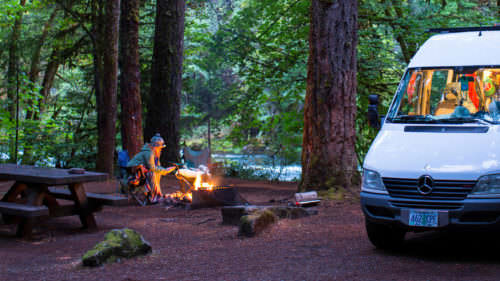
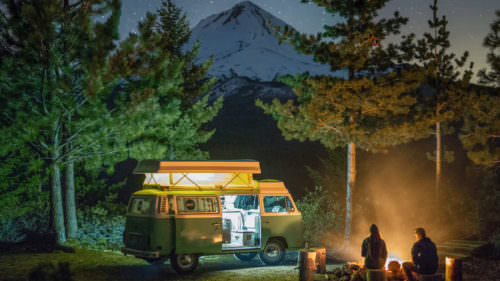
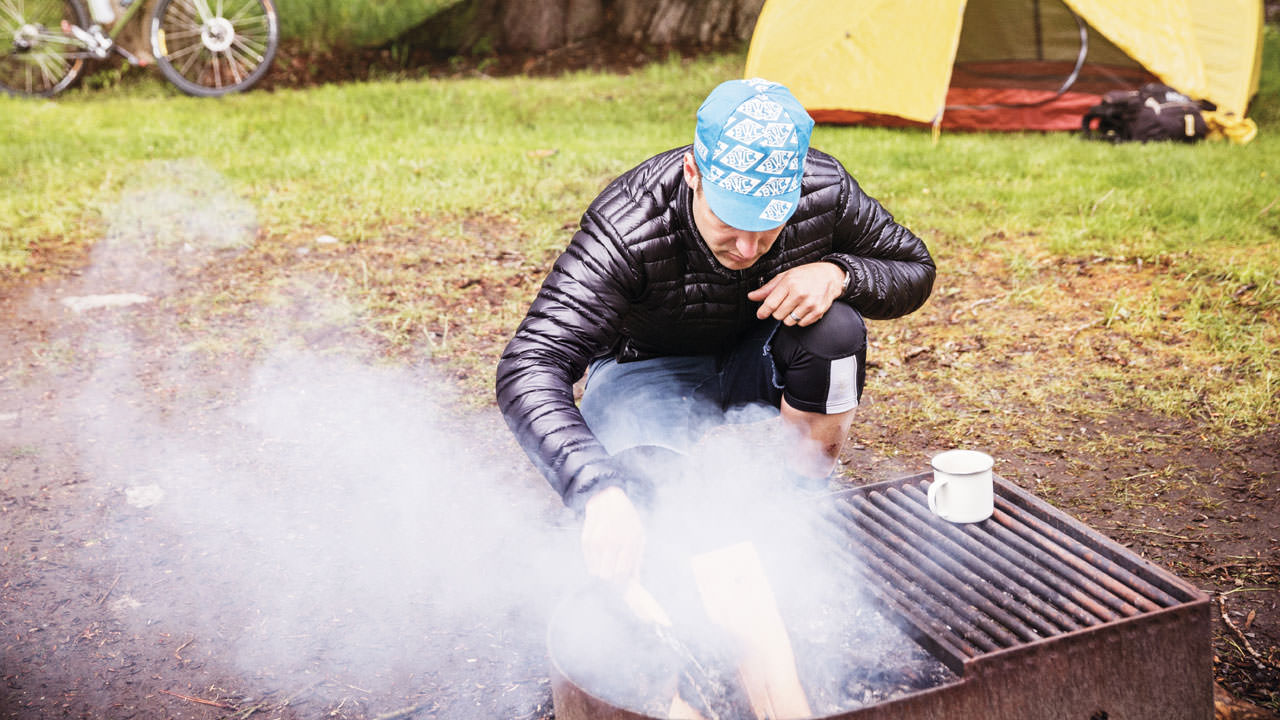
Campfires are allowed in campgrounds and established fire pits and sometimes in the backcountry. Campfire bans may be implemented if there are safety concerns. To find out if you can have a campfire, check with the forest agency or campground owner if it’s a private campground overseeing the area where you’ll be camping. Always follow safe campfire practices:
- Know before you go. Research conditions for the area surrounding your campground. Fire restrictions may be in place at the federal, state or county level. Understand the meaning of fire danger levels by visiting the Oregon Department of Forestry map of fire restrictions.
- Select the right spot. Only build campfires in the existing fire ring in your campsite. Fire ring locations are carefully considered and park rangers clear vegetation around rings to create a safe buffer zone.
- Keep your campfire small and within the fire pit. Add firewood in small amounts and maintain campfire flames at knee height or roughly two feet high. This helps prevent ash or embers from becoming airborne, especially during dry summer months. A large fire may cast hot embers long distances. If you see the wind stirring up embers from your fire, play it safe and extinguish it.
- Always have water and a shovel on site. To put out your fire, drown the flames with water and stir the embers to make sure everything is wet. The stirring step is important: Ash and wood debris often maintain heat and embers unless they are drowned out. Repeat the process until the fire is dead — if it is too hot to touch, it is too hot to leave. Make sure the fire is completely out before you go to bed or go home.
- Attend to your campfire at all times. Many accidental fires have started because campers left their fire unattended for “just a minute.” Stay with your campfire from start to finish until it is dead out, as required by law. That ensures any escaped sparks or embers can be extinguished quickly.
- Use water to extinguish beach campfires, not sand. Covering the fire with sand will insulate the coals, keeping them hot enough to burn someone hours or even days later. Beach campfires should be started on open sand away from driftwood or vegetation.
- Never use gasoline or other accelerants. Don’t use flammable or combustible liquids, such as gasoline, propane or light fluid, to start or increase your campfire.
- Burn only wood. State regulations prohibit the open burning of any material that creates dense, toxic smoke or noxious odors. Burning paper and cardboard can also easily fly up to start new fires. Also be sure to only use local wood, either bought where you’ll burn it or gathered on site where permitted: Hauling firewood to a remote campground can potentially transport invasive species and disease.
- For propane fire rings, follow the same safety precautions you would with a log-based fire. Propane fire rings should be place in, on or directly next to installed park fire rings.
- Consider alternatives to a campfire this summer. Portable camp stoves are a safer option to campfires at any time of year. Areas that prohibit campfires outside maintained campgrounds with established fire pits often allow camp stoves.
Make sure everyone in your campsite is familiar with campfire safety — including children. For more helpful tips, check out these recreation tips from Keep Oregon Green.
If I see a fire starting while I’m hiking or camping, what should I do?
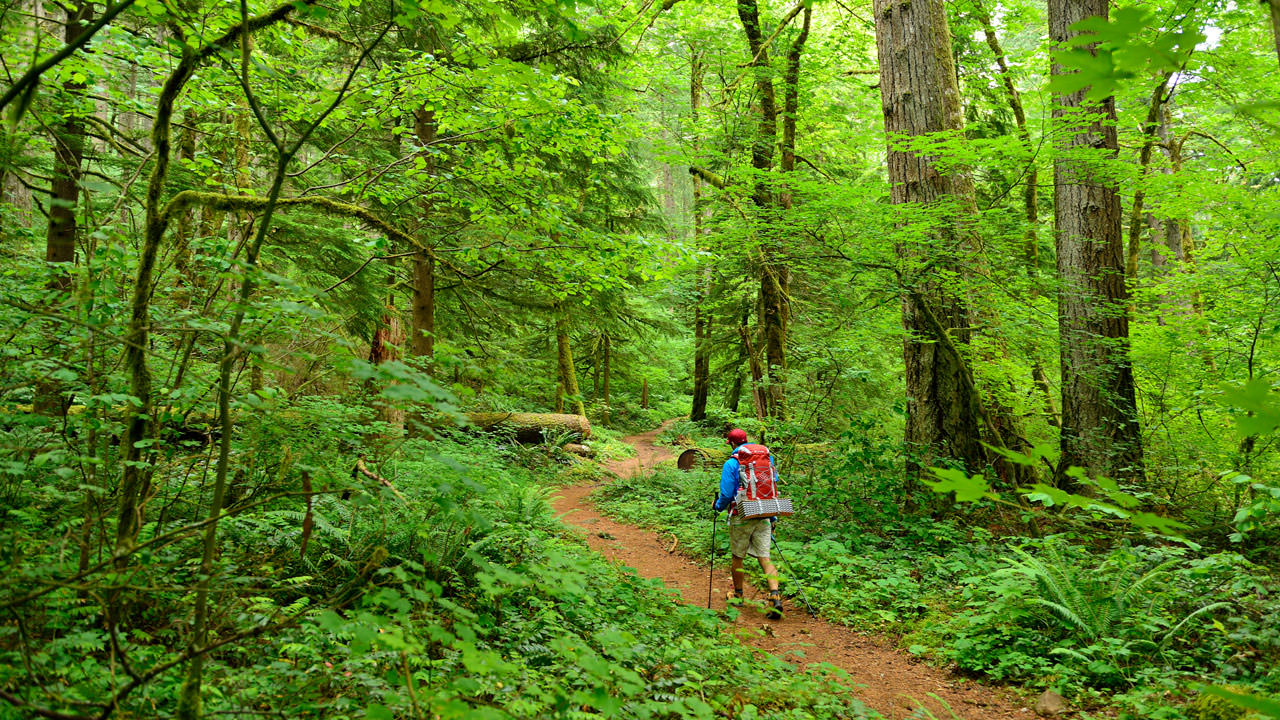
If you spot a fire, get yourself to a safe location and call 911.
How can I find out if my campsite is near an active fire?
View the Northwest Interagency Coordination Center’s interactive map to see if your campsite is near an active fire. To be extra vigilant, download the Watch Duty app and set notifications to your area.
How can I help prevent wildfires when I’m traveling in Oregon?
You can help by being a thoughtful traveler. Here are a few quick tips:
- Fireworks are meant for use on pavement, never in forests. Always dispose of cigarettes in a proper receptacle or container.
- Abide by trail and road closures as well as bans on campfires.
- If campfires are allowed, make sure you set up and tend the fire properly and put it out completely.
- Don’t drive over dry grass and make sure to get your car, motorcycle or ATV serviced before your trip.
- If you see somebody else not acting fire-safe, say something.
- Never fly a drone near wildfire areas; it can seriously hamper firefighters’ efforts.
Visit Keep Oregon Green for more helpful information.
When can we visit post-fire environments?
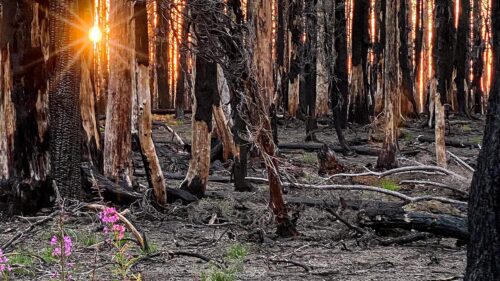
Once it’s safe to travel to an area affected by wildfire, visitors and Oregonians can explore the areas that were impacted to witness the power of nature to regenerate itself after a fire event, and also support communities by visiting local businesses. Check our travel alerts page for a list of local resources to confirm when it’s safe to travel to an affected area.
What do I do if I get an evacuation alert while traveling in Oregon?
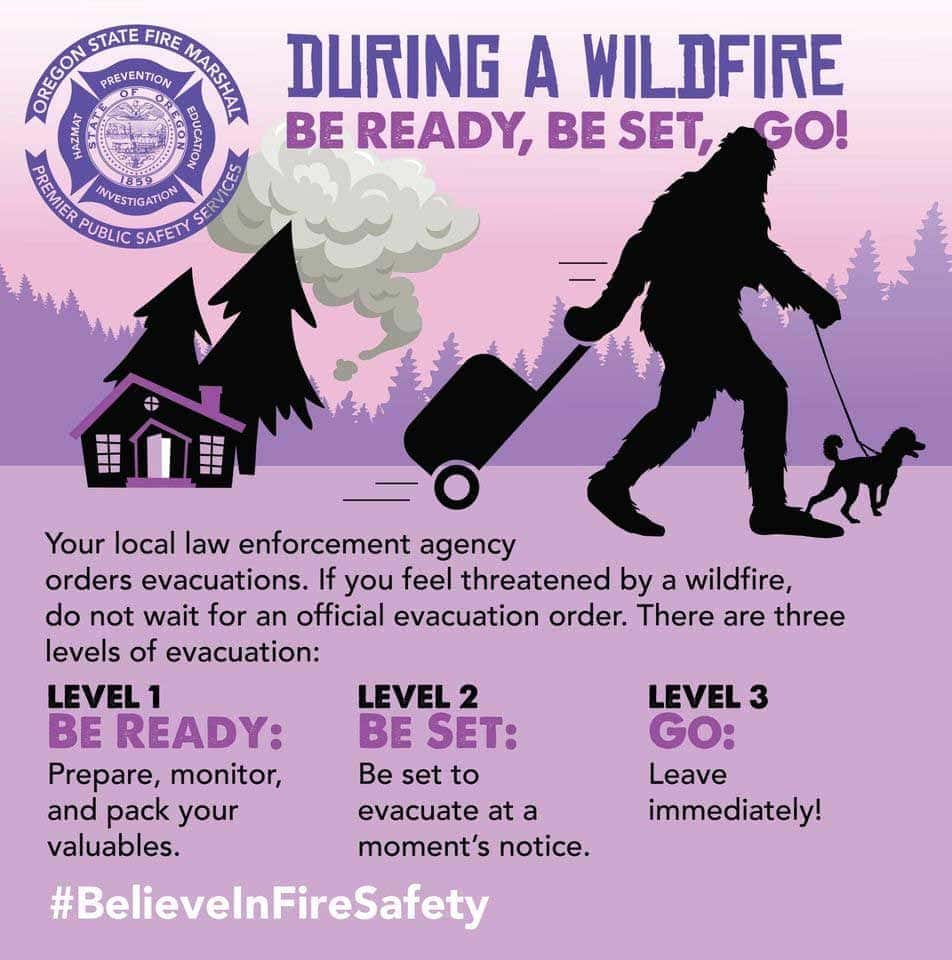
Most importantly, follow directions from firefighters, local officials and emergency responders — if you are told to evacuate, do so immediately. Understand the different levels of evacuation:
- Level 1 – Get Ready: Prepare yourself, monitor the situation, and pack your important documents and valuables.
- Level 2 – Get Set: Be set to evacuate at a moment’s notice.
- Level 3 – Go: Leave immediately
Keep checking the latest updates about resources in your community. (See the list below.) Be sure you’ve opted for emergency text alerts on your mobile phone.
If you do need to evacuate, identify your best evacuation point. Here’s a list of emergency shelters. Those affected by the fires should register themselves at the Red Cross Safe and Well website to let family and friends know they’re not in danger.