



The thrushes are trilling and the creeks are trickling as spring comes to Cove, a tiny town nestled in the valley between the Wallowa and the Blue mountains in Eastern Oregon. It’s about 16 miles east of Interstate-84 and the city of La Grande, and about 275 miles from Portland. From the foothills of the Blues to the Columbia River Basin, tribes have fished and gathered in this area for thousands of years.
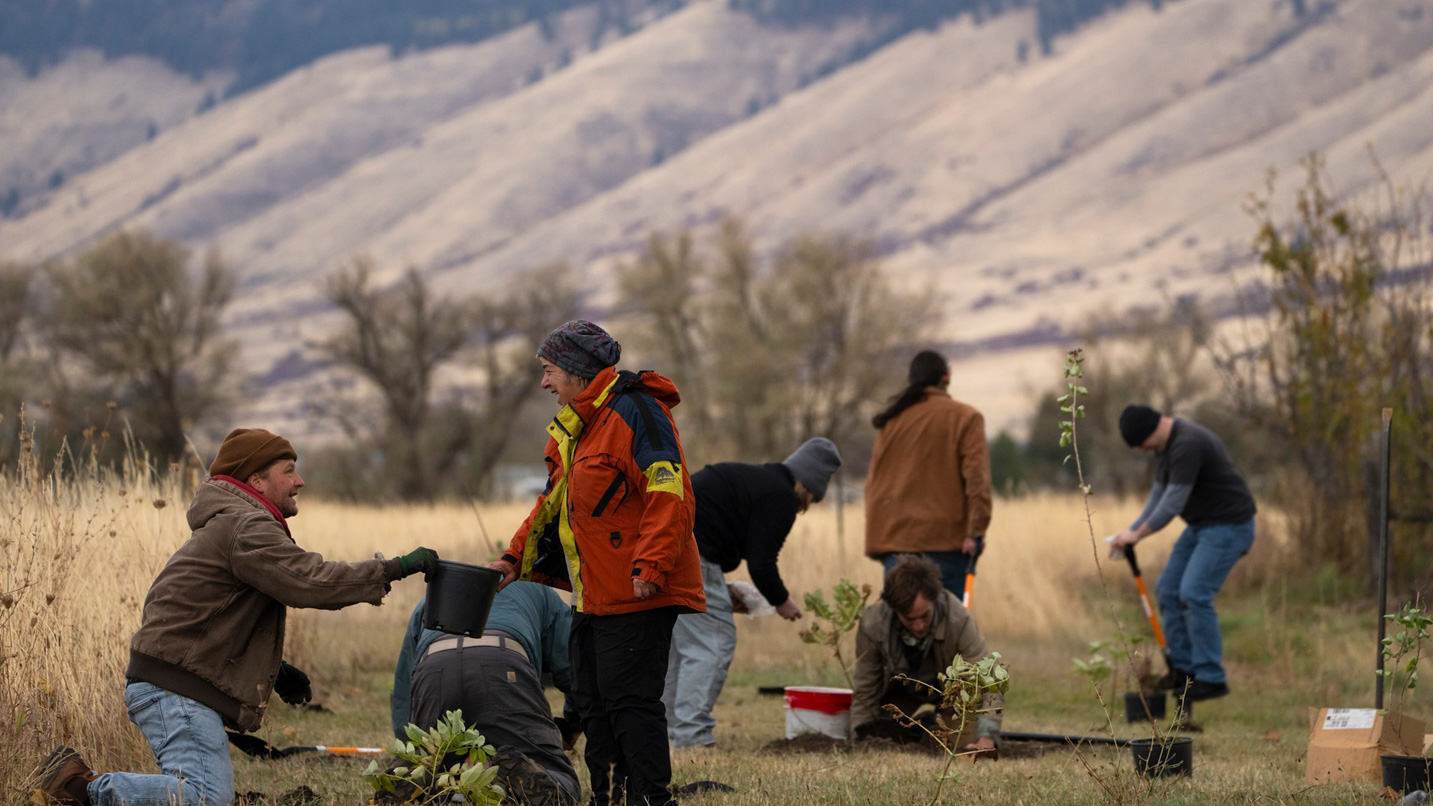
“Historically, it’s a place of food and abundance, a Garden of Eden,” says Bobby Fossek, co-director of Naknuwiłama Tiiča̓mna – Caretakers of the Land, an Indigenous-led organization that focuses on native habitat and cultural revitalization. For Fossek and his family, spring signals a return to this land to gather first foods and fibers like camas and willow. Through habitat restoration and seasonal camps for Native people focused on ancient lifeways like hide tanning and canoe carving, they’re bringing back the energy that once flowed as abundantly as the natural springs here.
I’ve felt the sacredness of Cove. As kids Fossek and I both attended summer camp at Ascension School, Camp & Conference Center, which today hosts and partners with Caretakers of the Land. In the evenings, we campers sat under the starry sky and sang around the fire. Every afternoon we swam in the warm springs that give the Nez Perce their name for Cove: Wiweeletitpe, “many creeks flowing in that place.”
I reconnected with Fossek to gather his tips on visiting this special region, learn how the public can support his organization and understand how to visit respectfully.
Enjoy a Wellness Retreat, Burgers and Nature Hikes
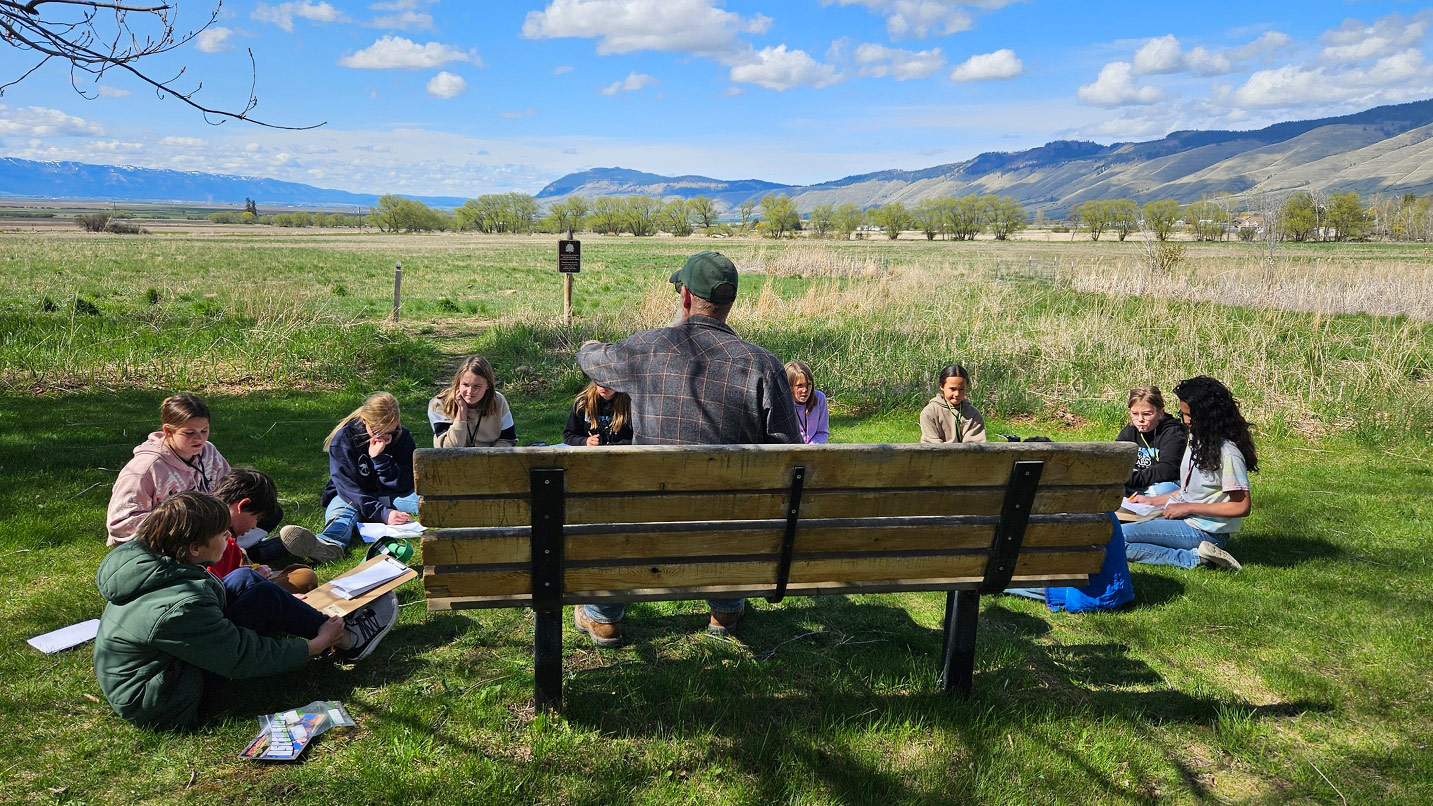
As Fossek and his partner and co-director of Caretakers of the Land, Brosnan Spencer, have helped return some of the 80 acres around Ascension School back to its native wetland, residents and visitors have seen birds and other species return. One of the best places to experience the transformation — including some of the 7,000 native trees and shrubs they’ve helped to plant — is the Tish Croom Nature Trail, a 1-mile flat, unpaved path right next to Ascension School’s campus.
If you find yourself hungry after walking the Nature Trail, visit the Steakhouse at Cove Bar & Grill, featuring draft beer and hearty steak dinners. The Cove Drive-In is a go-to when you need a quick burger, peanut butter shake and fries. Visitors should also check out the Ascension School’s calendar. As the local community center, it offers a 100-year-old summer camp program and hosts public wellness and spiritual programs for adults throughout the year. It also hosts the annual Cove Cherry Fair. in August, which welcomes all to enjoy pie, live music and other festivities.
Take a day trip to Catherine Creek State Park, where the creek cools you off on a hot summer day and the shade from ponderosa pines is a welcome respite for camping and hiking. For more camping and longer hikes, Moss Springs Campground is a gateway to the Eagle Cap Wilderness, 7 miles east of Cove.
Visit Bird Festivals, Hot Springs and Farms
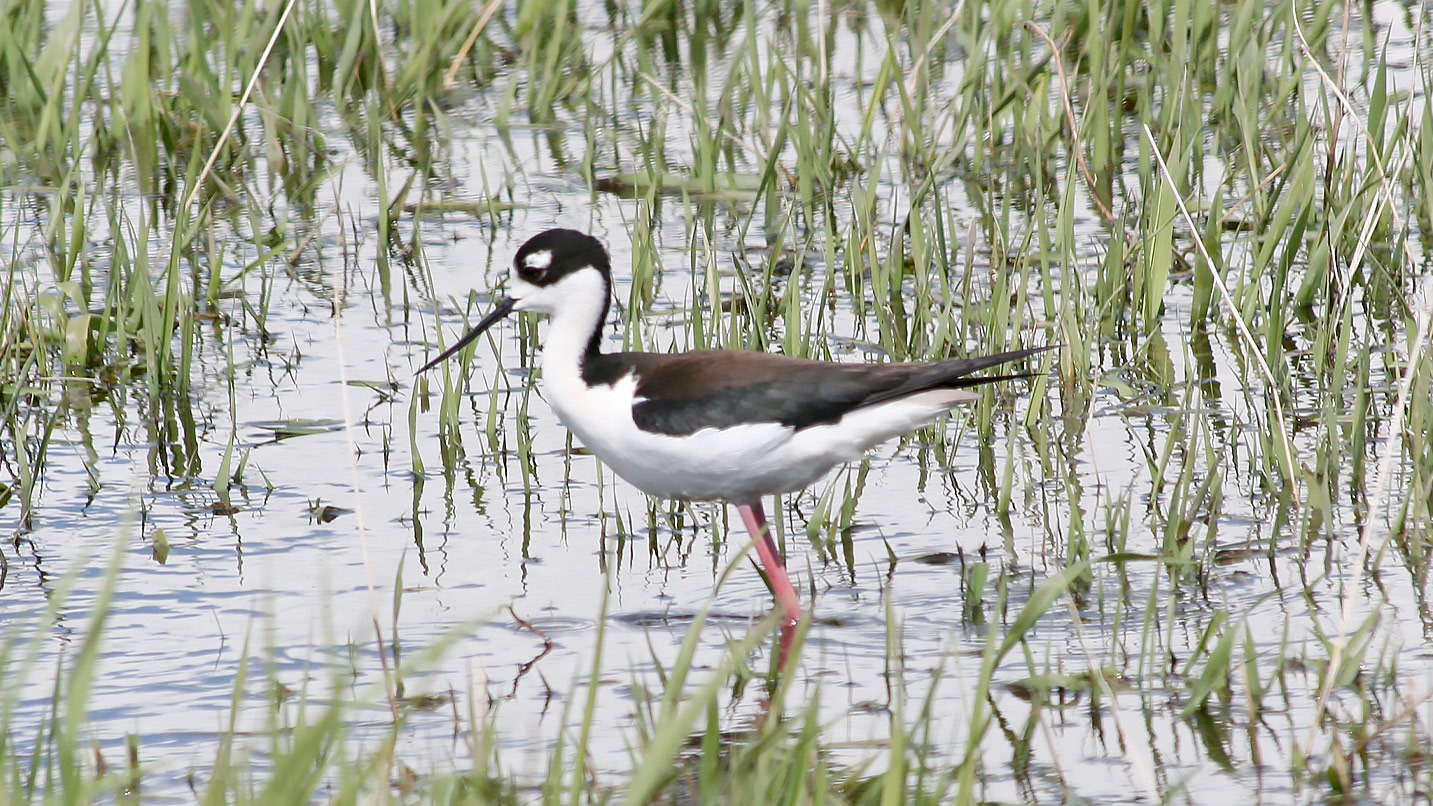
Birders and anyone who appreciates avian-friendly natural areas will find an abundance at Ladd Marsh Wildlife Area, located between Cove and La Grande. Over 200 bird species visit or live in the area. In May Friends of Ladd Marsh hosts the annual Ladd Marsh Bird Festival to celebrate World Migratory Bird Day. Preregistration is recommended. The Historic Union Hotel in Union, about 15 minutes from Ladd Marsh, offers an overnight stay option in the area featuring 15 themed rooms and a restaurant.
Head farther south, about 5 miles, to experience the geothermal waters of Hot Lake — Ea-Kesh-Pa to the Nez Perce — which has long served as a healing center, including a place where tribes met to work through conflict. The Lodge at Hot Lake Springs provides simple accommodations, soaking tubs and hearty pub fare. Hot Lakes has been named one of the most haunted places in the U.S., though plenty of people visit without ghostly encounters.
Set aside a morning to enjoy the Grande Ronde Farm Trail, a self-guided agricultural driving tour where destinations like Folly Farm specialize in garlic and heirloom vegetables or Happy Walrus Farm, which has 100 laying hens, spring-fed trout ponds and natural-dye classes.
How to Tread Lightly on the Land
When I ask Fossek how we can better respect the places we visit, he helps me see travel in a new light.
He tells me a story about huckleberries, a highly revered first food. A few years ago, an article came out sharing a location where tribes have historically gathered them. That year, when Fossek returned, the bushes had been picked almost bare.
“Tourism can be a benefit; it can enlighten people, help them learn and grow. But you have to come to these places without polluting or exploiting them,” Fossek says. “Come as a guest.”
Fossek suggests cultivating your relationship to plants and animals, learning about them and their needs. “Make that part of your life. Protect them, and all the life-forms that have called these places home, when you go back to where you’re from,” Fossek advises.
More Ways to Learn About Native Culture in Eastern Oregon
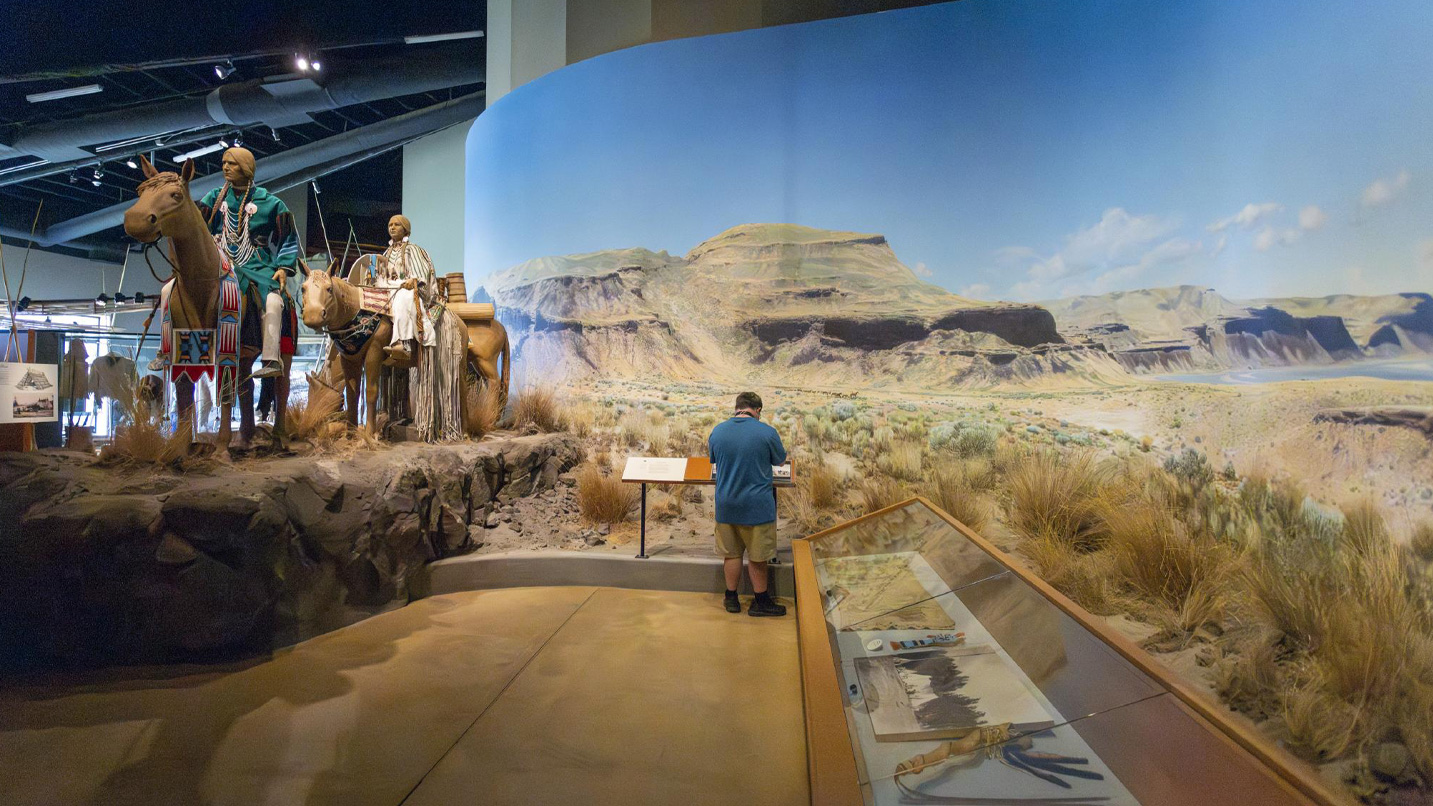
To understand the full story of Eastern Oregon, Fossek recommends two must-see sites that showcase Native culture, starting with the Tamástslikt Cultural Institute on the Umatilla Indian Reservation, 10 miles outside of Pendleton. It’s the only museum on the Oregon Trail that tells the story of Western expansionism from a tribal point of view, unveiling a rich, moving history. Step inside the artful building and a whole world unfolds. Artwork, artifacts and audio help tell the stories of the Cayuse, Umatilla and Walla Walla — people who have lived on this land for more than 16,000 years. Fossek recommends scheduling a tour with an expert docent to immerse yourself in the history. Pay a visit to the Kinship Cafe afterward for a bite to eat.
To the east in Wallowa, Fossek suggests the Nez Perce Wallowa Homeland Project’s visitor center. This project is dedicated to the return of Nez Perce descendants to this ancestral homeland. The visitor center — open spring through early fall — tells the stories of the people of the Wal’áwa country through art, maps, artifacts and photos. Throughout the year, Native artists lead workshops to share lifeways like weaving, carving and plant identification.
In Cove itself, Caretakers of the Land offers opportunities throughout the year for the general public to get involved. Follow the group on Instagram and Facebook to find out about upcoming volunteer events and activities that include plantings, cleanups and other ways to give back to the land.
You can also support the work by donating to the organization through the Ascension School website — both the school and the organization have the same donation site, so be sure to select the Caretakers of the Land option in the drop-down menu under “Donate.” One hundred percent of donations go to its programs.