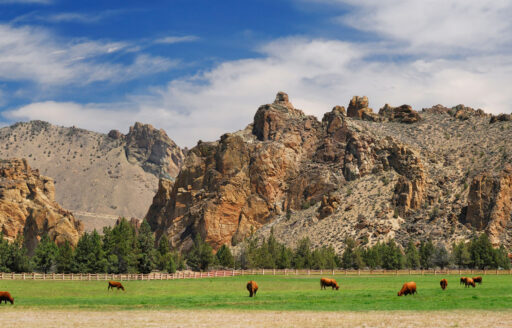

I scan every utility pole for raptors on the 130-mile trip between Bend and Burns. As I cruise through a landscape of sagebrush toward a horizon that appears unreachable, I want to believe every dark bird soaring in the cloudless sky above me is a golden eagle.
I am going birding in the Malheur National Wildlife Refuge, a 187,757-acre oasis in the endless sagebrush of the Great Basin, home to more than 340 species of birds on the Pacific Flyway and one of the best-kept birding secrets in America.
It’s a cool but clear spring day, the best time to visit to see hundreds of bird species using the refuge during the annual spring migration, which peaks in mid-May. Here are some of my favorite ways to enjoy this unique refuge in Eastern Oregon.
Getting Ready and Heading Out to the Refuge
As much as I want to start my birding adventure immediately, I know I need to spend the night in Burns and get an early start in the morning. After a delightful dinner at The Pine Room, I find that my rental apartment at BJ’s Little Haven is comfortable. It’s filled with birding books and features an enthusiastic host who fills me in on all the hot spots I should check out on my way down to the refuge, 30 miles south.
Bird-watching is an early game, so I gas up my vehicle, a necessity out here where gas stations are few and far between. I start off in the dark heading south on the Frenchglen Highway, missing the fields of snow geese my host told me about.
I crest the popular birding spot Wright’s Point at sunrise, a unique geologic feature that was once an ancient river bottom. A lava flow filled the canyon more than 2.5 million years ago, cooled, hardened and preserved the twists and turns of the old stream for millennia as the softer sediments around it eroded away, leaving the former low point as a high point now.
At the top I catch my first glimpse of my destination, the stunning refuge, where it begins at the shores of Malheur Lake on the east and the smaller Harney Lake on the west. I see yellow warblers in thickets along the road on the way to the visitor center, which includes a small wildlife museum, books, gifts and art.
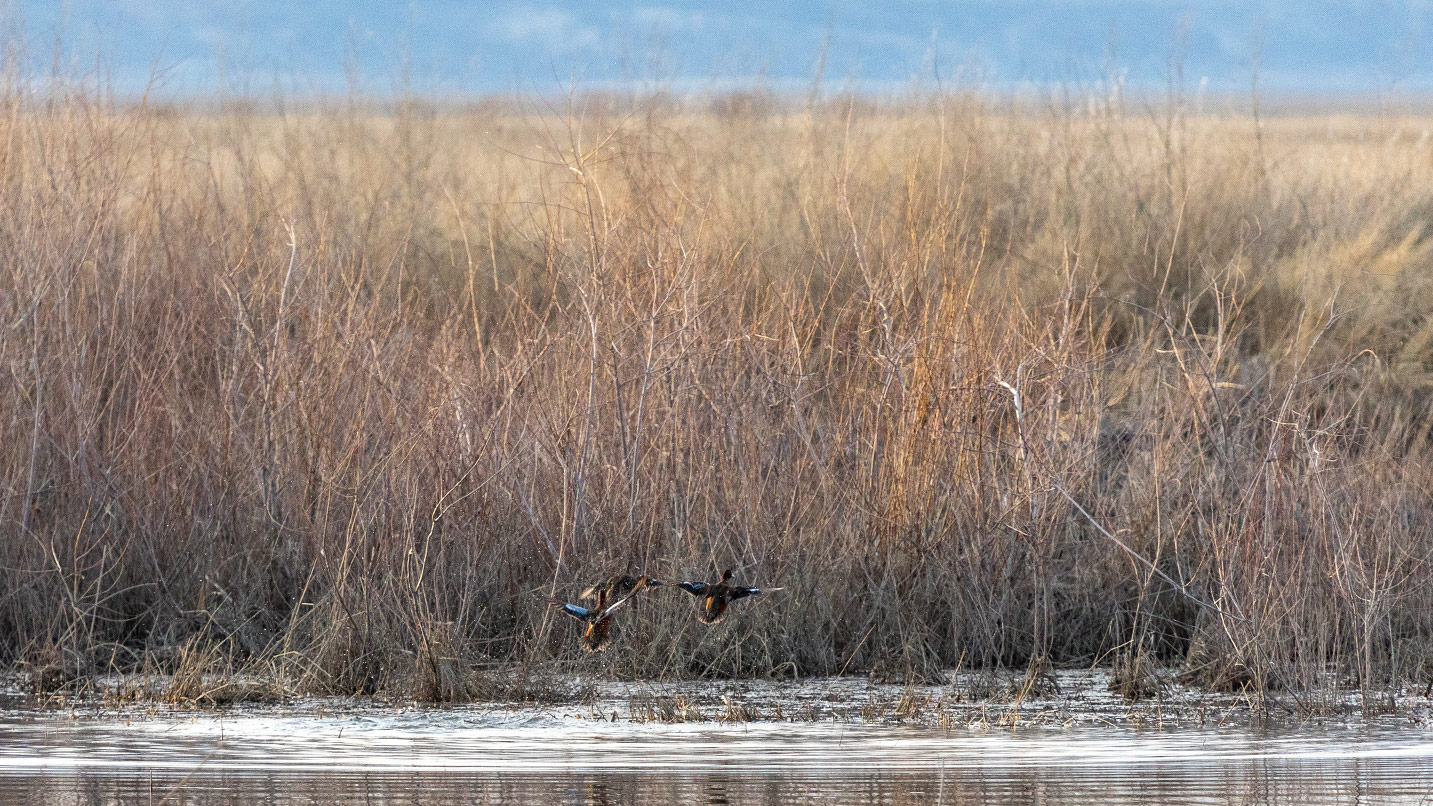
The refuge is easy to navigate on your own despite its size. I start at the headquarters, because it’s a legendary stop for rare birds, owls, waterfowl and a tower of turkey vultures. The cottonwood trees that dwarf the headquarters’ buildings are a treasure trove in spring, just dripping with songbirds. Taking a pair of binoculars and some drinking water, I search the pond just off the parking lot and find a raft of redhead ducks and cinnamon teal right away, while flights of sandhill cranes fly noisily overhead.
I beeline toward a group of birders standing under a pine tree admiring a solitary great horned owl silhouetted on a branch 50 feet up, a regular here. I take a backlit photo and move on to the visitor center buildings to get an idea of what I should be looking for. Refuge staff are helpful in locating unique birds, and they keep a list of recent sightings — a perfect starting point.
A Driving Tour of the Refuge
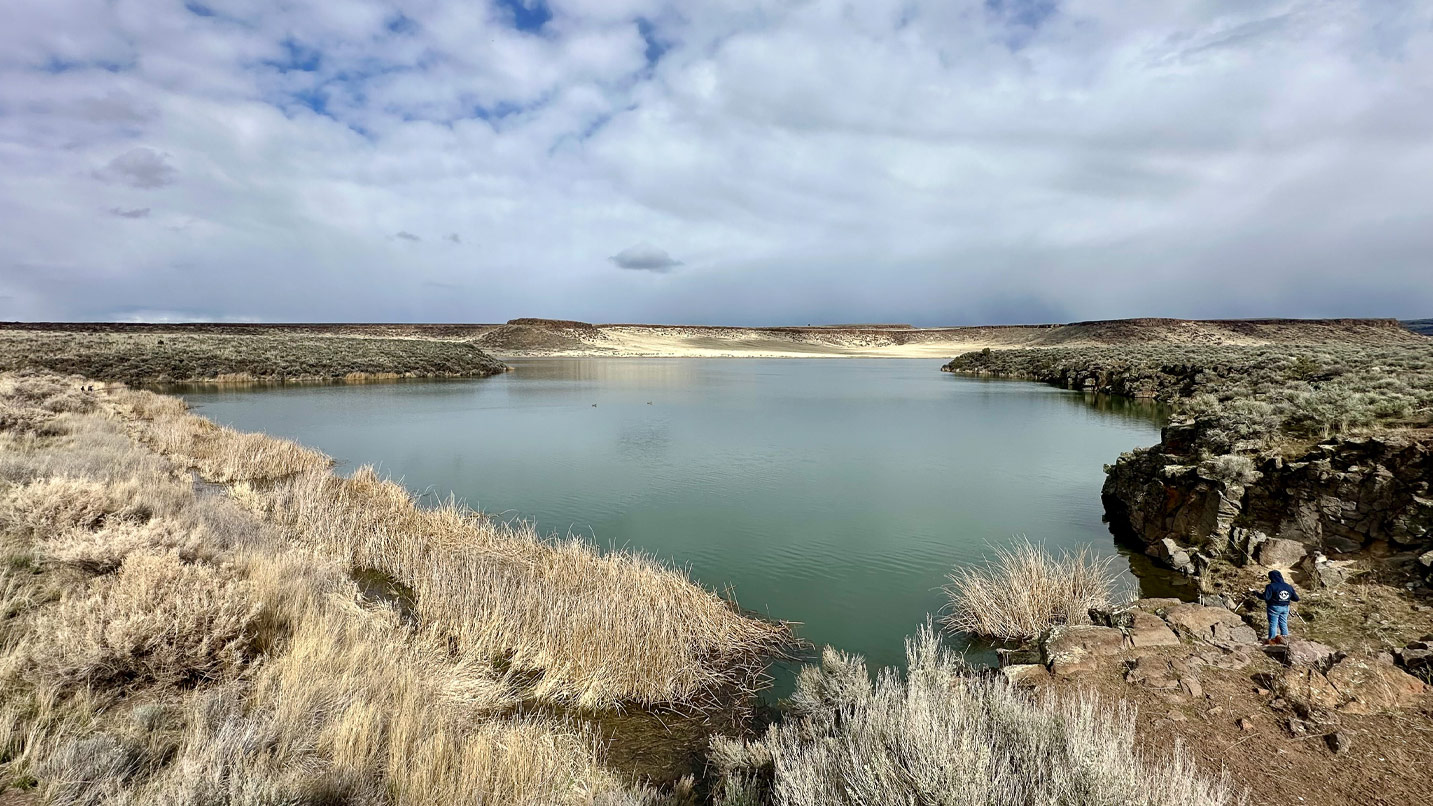
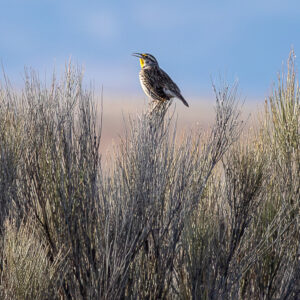
Malheur, Mud and Harney lakes come together at the Narrows, an unincorporated community with great viewpoints. This is a good spot to see burrowing owls, sagebrush sparrows and western meadowlarks along the pullouts on the Frenchglen Highway. I always head down the heart of the refuge along the Central Patrol Road.
The CPR, as it’s more widely known, is a gravel road that follows the meander of the Donner und Blitzen River and roughly parallels the Frenchglen Highway but with more places to stop.
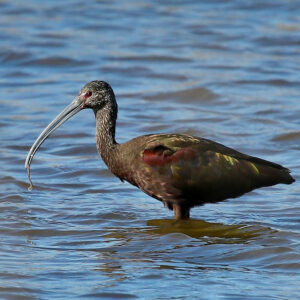
Water in the refuge fluctuates yearly. This year it’s high, and the vegetation is verdant, so I drive slowly and scan out my windows for glossy, white-faced ibis that shimmer and change color in sunlight. My Toyota Prius is capable, as the CPR is in good condition this year, but a little more ground clearance can be reassuring.
Wright’s Pond is my first stop and is full of waterbirds, such as American avocets and black-necked stilts, feeding in shallow water.
Farther south, at Benson Pond, I see a pair of Trumpeter swans. It is the only breeding spot on the refuge where you might catch glimpses of their young, called signets, later in June or July.
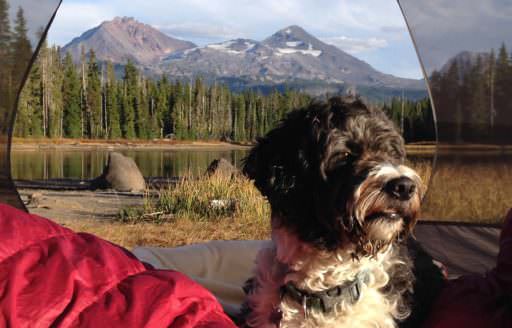
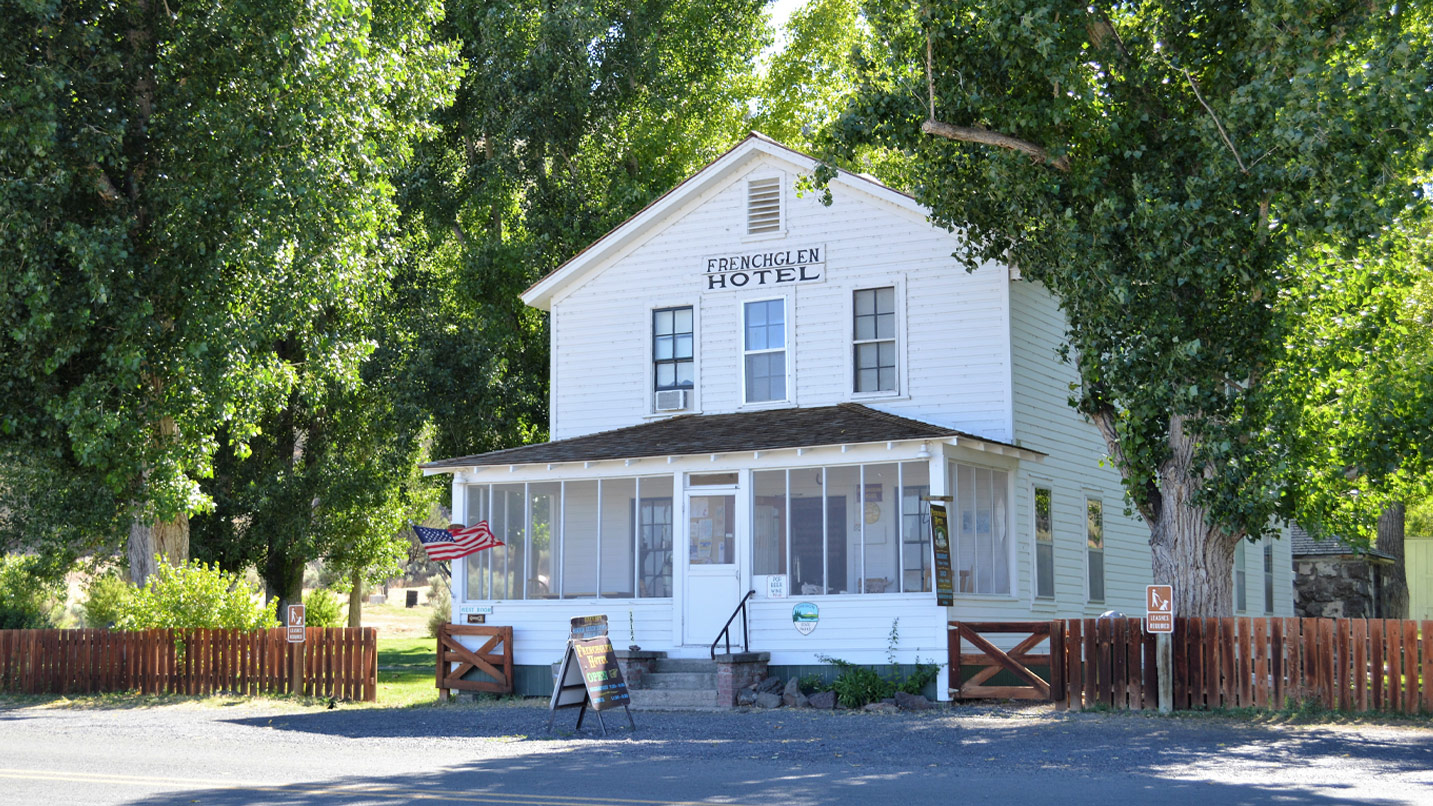
Krumbo Reservoir is great for golden eagles and peregrine falcons along the rimrock, but I skip that stop because I have dinner reservations at the historic Frenchglen Hotel, and I want to spend my afternoon birding around the historic P Ranch and setting up my tent at Page Springs Campground at the south end of the refuge.
I see western kingbirds and Bullock’s orioles high in the cottonwoods and near the long barn, and dozens of quail while setting up camp. I drive to the Frenchglen Hotel in the early evening for a family-style dinner of chicken and roasted vegetables, where I make several new friends and gather at least a dozen tips for my birding adventures the next day. Breakfast, lunch and dinner are available at the hotel, and I always bring lots of snacks for the long drives.
Learn From Experts at Bird Festivals and on Guided Tours
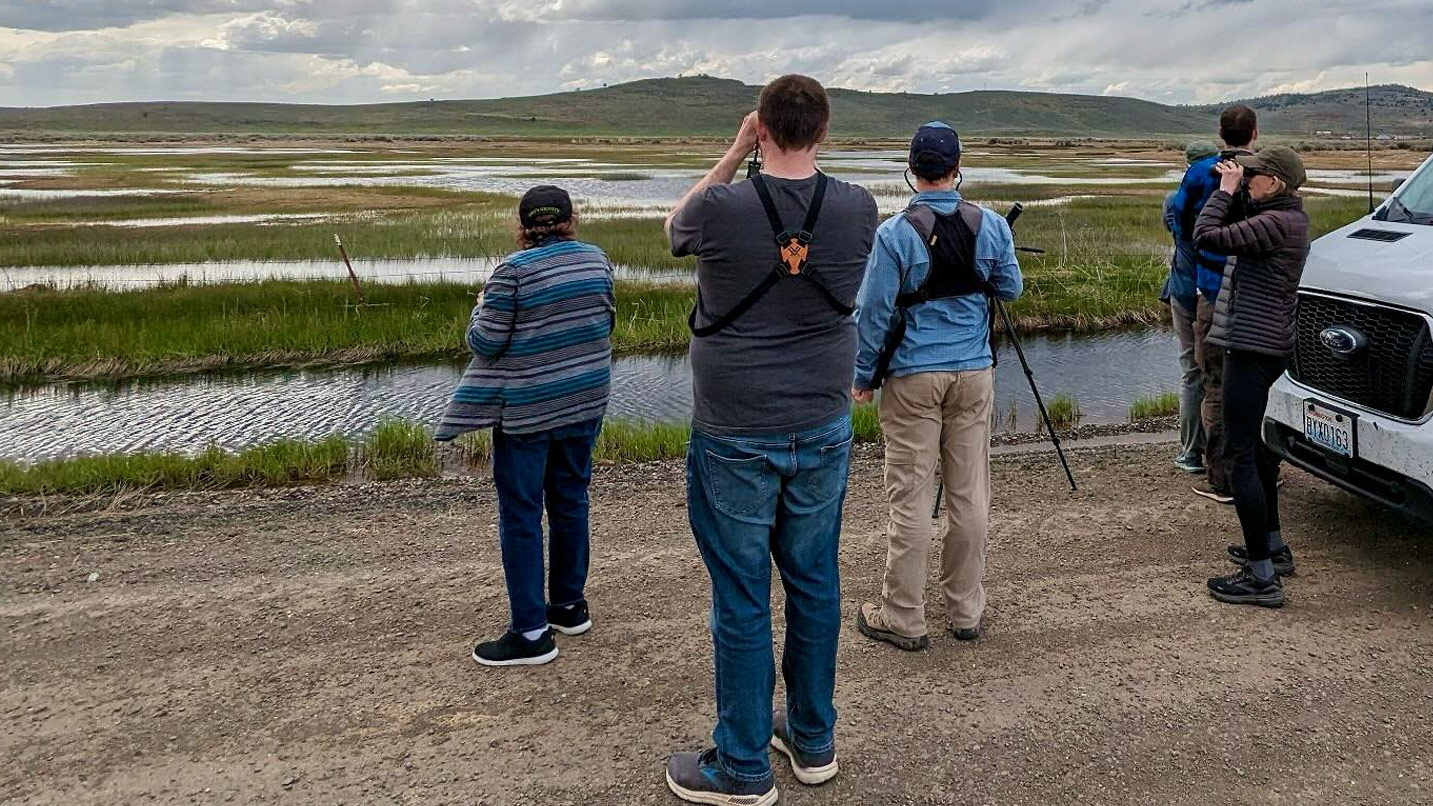
The Harney County Migratory Bird Festival, typically in April, is worth its own trip. The festival offers tours, local experts with spotting scopes, art shows, identification classes, author talks and writing workshops. I attended the bird festival a few years after my first trip to the refuge and wish I had done it sooner.
If you’re not able to come for the festival and want to increase the number of birds you see, sign up for a tour with Bird Alliance of Oregon, which runs a yearly trip. The Bird Alliance of Oregon’s Adult Program coordinator, Tara Lemezis, tells me what you might experience on a five-day guided trip.
“We have a specific formula for the tour,” Lemezis says. “We head up north of Burns into the Malheur National Forest the first day, and you get these cool forest species you won’t see down on the refuge, like green-tailed towhees and white-headed woodpeckers. The rest of the tour days focus on the refuge.”
These five-day tours offer two comfortable, air-conditioned, 15-passenger vans; food; experts in local geology; and even evening stargazing sessions. Depending on the year, they might also visit nearby attractions like the Diamond Craters, the Alvord Desert or Borax Lake.
“For efficiency’s sake and knowing where to go to maximize your numbers of species, the tour is really helpful,” Lemezis says. “There are so many birds out there, so having a guide with a good ear and who knows birdsong can really help you.”
If You Go:
- Birding is best from late winter through spring and peaks in May, but you can view baby birds in June and July. Early mornings and late evenings are best for observing the greatest variety of birds.
- Check the weather forecast often, and keep an eye on TripCheck.com for updates on road closures.
- Gas stations and stores are not always open according to schedule, so gas up wherever it’s available, and make sure to take food and water with you.
- Gravel roads are rough on tires, so be sure to carry a good spare tire with you.
- The refuge’s Virtual Visitor Center is a great source of information provided by the Friends of the Malheur National Wildlife Refuge and can serve as a fantastic guide before or during your trip.
- Binoculars, birding scopes and cameras are handy tools for bird-watching, but many bird species can easily be seen from the roadside in spring.
- Stay on designated trails and away from private property.
- Remain in your vehicle with the motor off to observe birds quietly without scaring them off.
- Be prepared with mosquito repellant, especially in late spring and early summer.
- Make reservations for camping, hotels and restaurants in advance. Burns has many accommodations, but the Frenchglen Hotel and Page Springs Campground are closest to popular parts of the refuge.