





Visitors to the Willamette Valley usually already know about the wine. It might have even brought you there. But grapes are just one of the valley’s more than 170 crops, and farm-to-table dining has long been part of the culinary landscape.
Today a new generation of chefs are strengthening two-way relationships with growers, ranchers, fishers and purveyors. You may find yourself cozied up with a blanket next to wine barrels that will soon be served to guests, or nibbling on a luscious salad studded with peaches grown in nearby orchards. Here’s where to experience the next generation of award-winning dining on your next trip to Willamette Valley wine country.
1. Have a Very Nice Lunch at Antica Terra
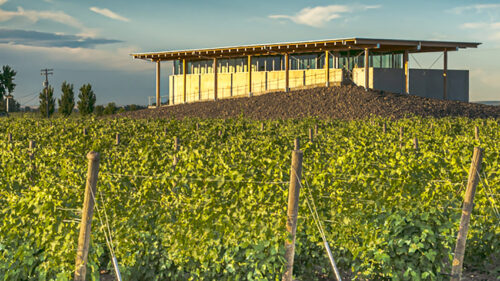
One of Oregon’s most acclaimed wineries, the meticulous wines at Antica Terra in Amity draw celebrities, sommeliers and celebrity sommeliers from around the globe. They’re also increasingly coming for the cooking of chef Timothy Wastell, who won Best Chef Northwest at the 2025 James Beard Awards, and chef de cuisine Ramon Canarios.
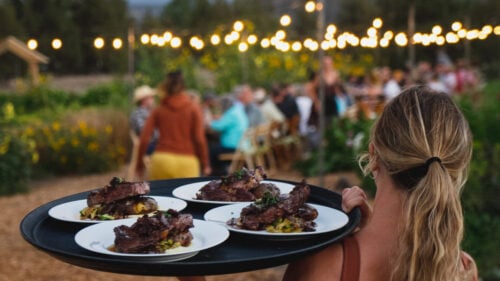
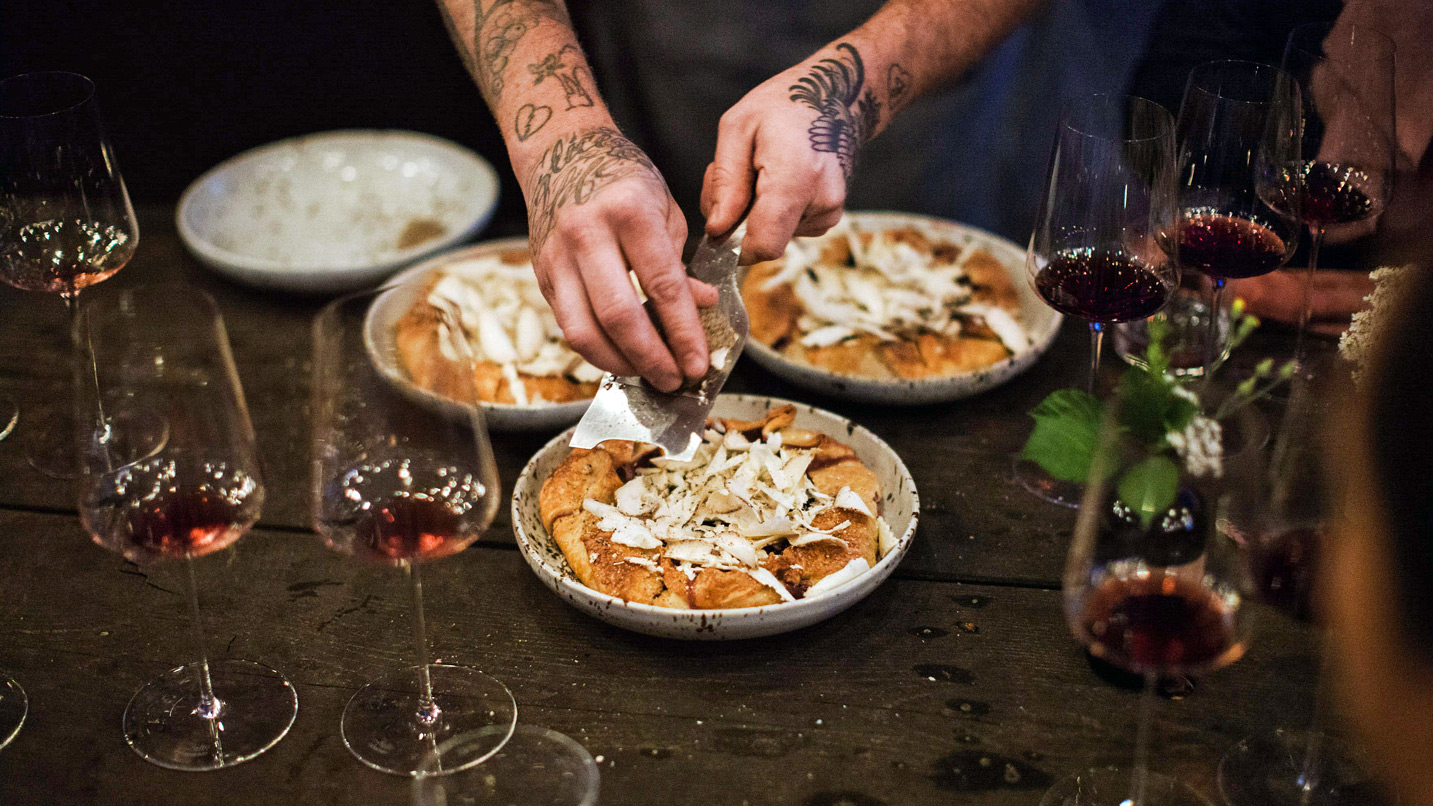
Antica Terra isn’t a traditional restaurant. Seatings are limited, it doesn’t usually serve dinner, and having “A Very Nice Lunch” here is something of a commitment. Reservations are a splurge, and you’ll need to make them weeks in advance. The experience of dining here is also unlike any other restaurant. After you arrive, you’ll be walked through a dramatic black entryway and past barrels of resting wine to be seated in your own private room, gently lit by sculptural paper lanterns. If you’ve forgotten to bring a sweater — because the restaurant is in Antica Terra’s working cellar, the interior is cool year-round — soft blankets are provided on every chair. During summer you can book a space at the 200-foot-long outdoor “Table in the Trees” beneath a canopy of Oregon oak.
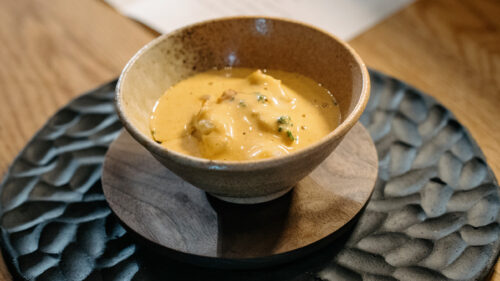
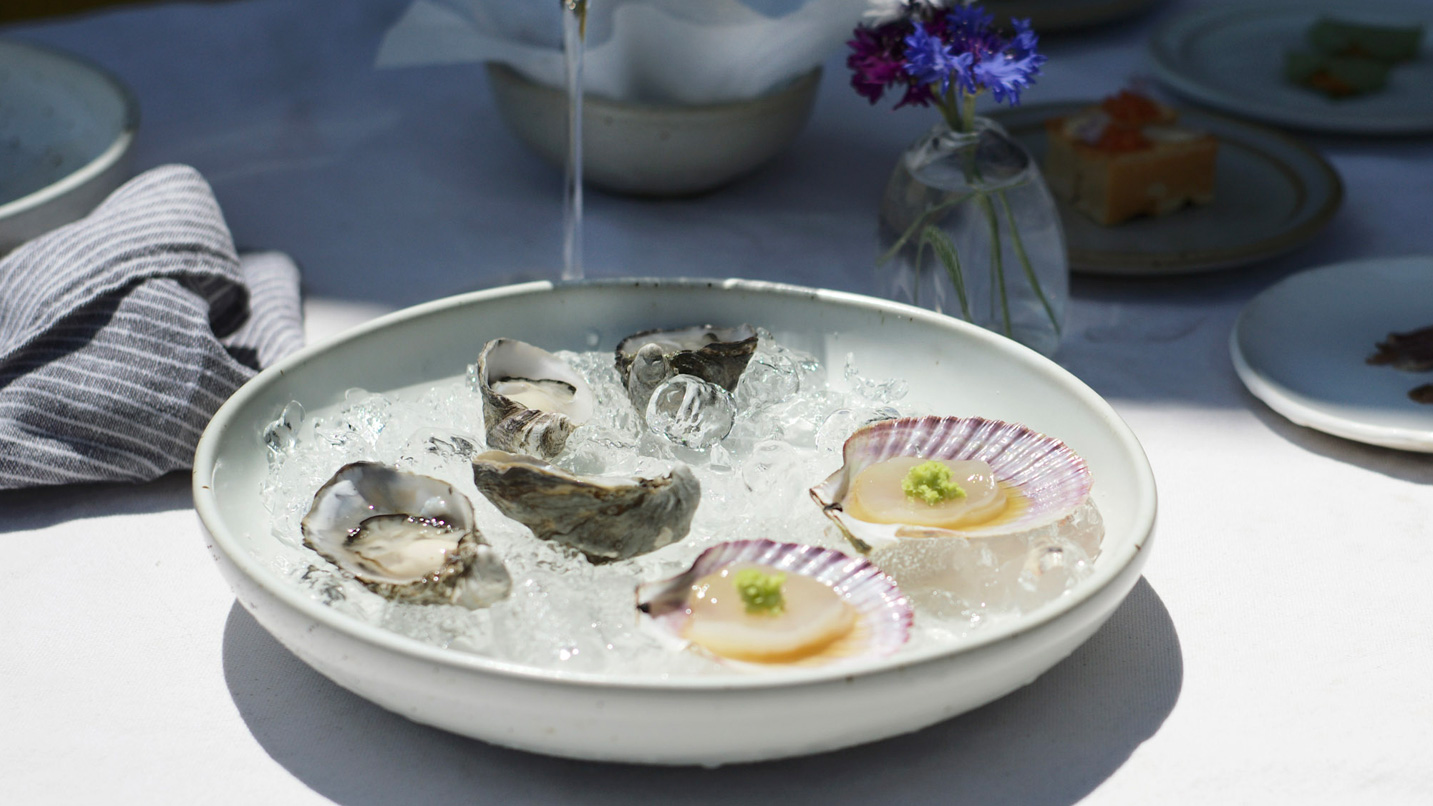
Whether you choose the guided tasting with paired snacks or the full lunch service, you’ll get the chance to enjoy Wastell’s elegant yet down-to-earth cooking alongside wines from Antica Terra and beyond. You’ll get the expected luxe touches of dishes like caviar and uni, but much of the food is unpretentious — generous, approachable and unwaveringly faithful to the produce and seasons of Western Oregon, even when that means reaching for less common ingredients like chestnuts, persimmons or quince. “That’s as exciting to me as the first tomatoes or rhubarb or asparagus,” says Wastell.
A profound understanding of regional agriculture cultivated over decades gives Wastell an almost supernatural ability to coax the best from every ingredient. That sensibility was developed over many years in Portland’s best kitchens, as well as a nearly equal number working for small farms — Wastell still works the occasional farmers market shift for Groundwork Organics, a farm in Junction City. He’s also a longtime collaborator of the Culinary Breeding Network, an initiative that connects Oregon chefs and farmers with plant breeders to help develop new varieties of vegetables.
Take Antica Terra’s crudité platter, what Wastell describes as a “love letter to farmers.” It’s always changing, from spring assortments of artfully sliced snap peas, Japanese turnips, radishes and cucumbers to living midwinter sculptures of chicories, brassicas and carrots. No matter what season you visit, it’s always astoundingly varied, with 15 to 20 different ingredients piled high alongside a shiro miso sweet-onion dip that tastes as good on sweet strawberries as it does on spicy arugula raab.
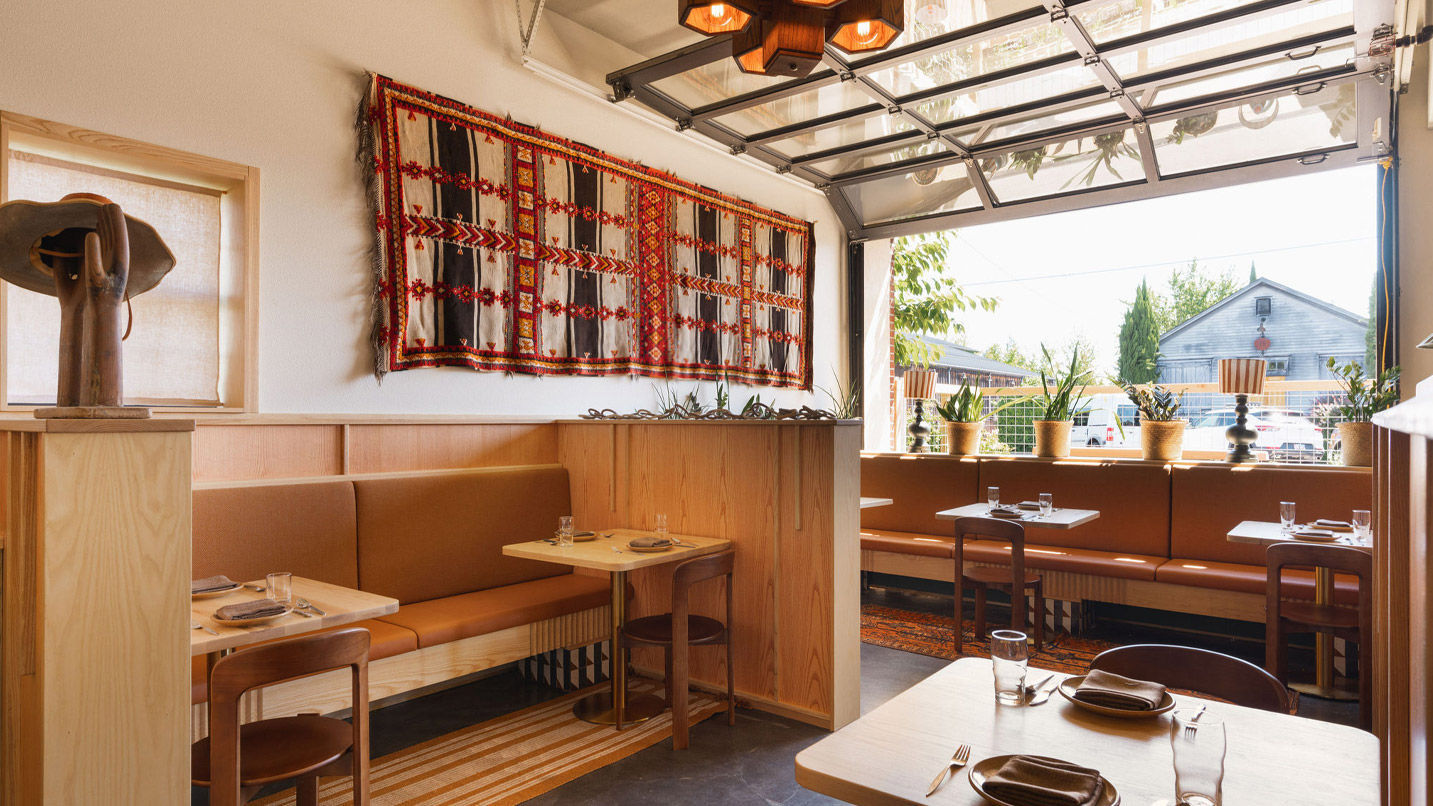
2. Savor the Seasons at Hayward Restaurant
On a busy night at Hayward Restaurant in nearby Carlton, you might be seated between a honeymooning couple tasting Oregon pinot noir for the first time and a table full of local winemakers tucking into a silky tangle of tagliatelle dressed with melted leeks or miso-burnished black cod alongside rare wines from Italy and Austria.
For chef Kari Shaughnessy — who has garnered recognition as a semifinalist for James Beard Best Chef Northwest in 2025 as well as for Best New Restaurant in 2024 — moving to Oregon from farther south gave her a renewed sense of appreciation of the fleeting nature of the seasons. “When you come to Oregon, you’re still getting all of this beautiful produce, the windows are just different and they’re shorter,” she says. “It’s really shifted the way I cook and the way I think about food, because everything became that much more precious.” That mindset led Hayward to become one of the first Oregon restaurants to become a member of Zero Foodprint, an organization that promotes regenerative farming in the food and beverage industry.
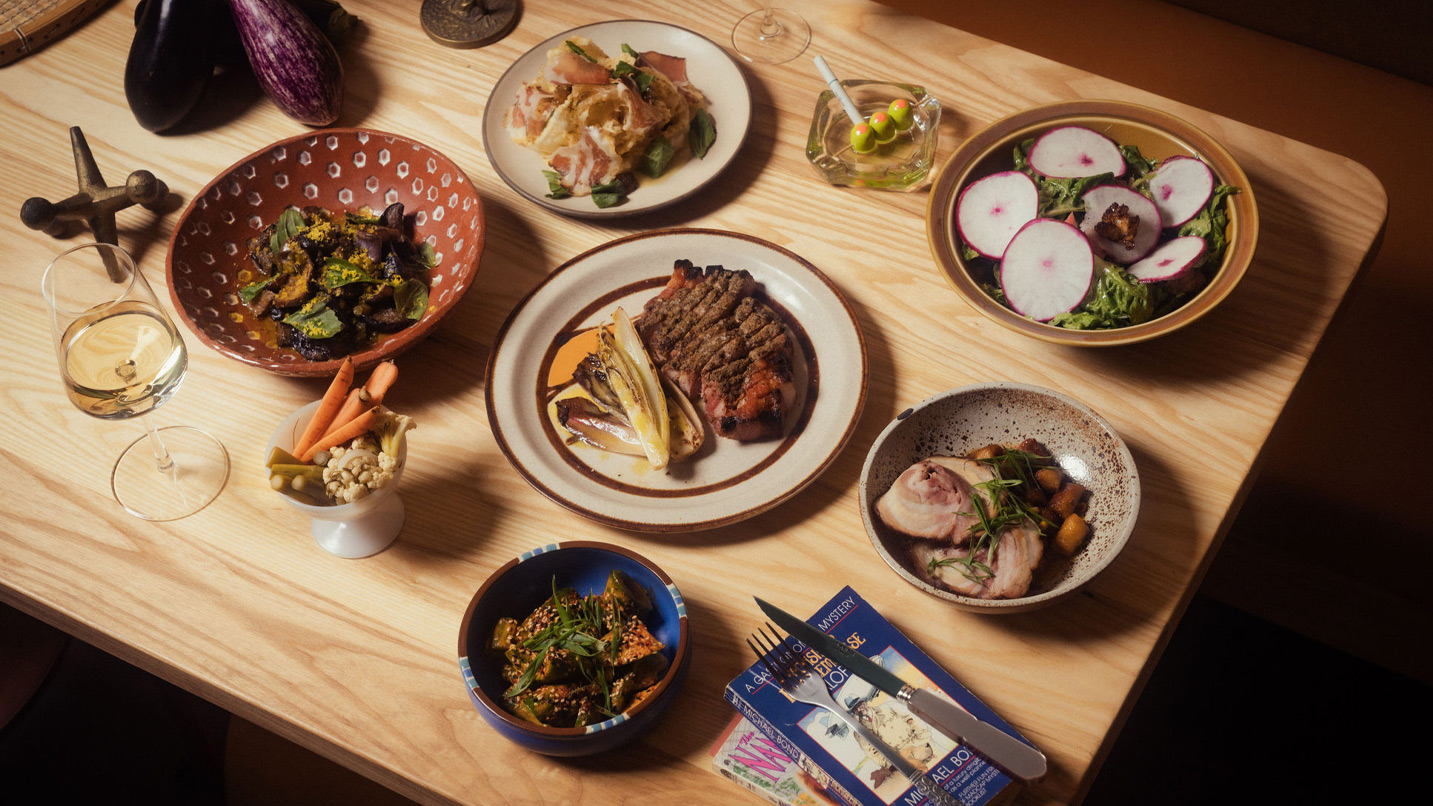
Hayward’s food is the result of a deep collaboration with farmers and suppliers. “I always wanted this open dialogue with the people raising, growing and slaughtering our food,” says Shaughnessy. “It’s always hard to pin down what kind of food we make, because it is so led by the farmers and the purveyors.”
She has annual sit-down meetings with Even Pull Farm in Carlton, one of her primary vendors, to strategize about seasons and menu items months in advance — and she even ended up marrying one of the owners of Revel Meat Co., a small-scale meat processing facility and one of Hayward’s primary protein suppliers.
Dining at the restaurant feels a little bit like going to a great dinner party. The vibe is stylish and relaxed, and the menu — which is loosely inspired by Italy but incorporates flavors from around the world — is designed for sharing. Order à la carte or opt for the “Kickback,” which cues up a parade of playful, surprising dishes selected by the kitchen. That usually starts with pickles and ferments, a rotating collection of preserved produce, and the focaccia served with ultra-savory koji butter. Salads, pastas and mains constantly change to reflect what’s in season at that moment, from luscious summer arrangements of tomatoes and peaches to crisp winter salads with endive, pink daikon and Meyer lemon.
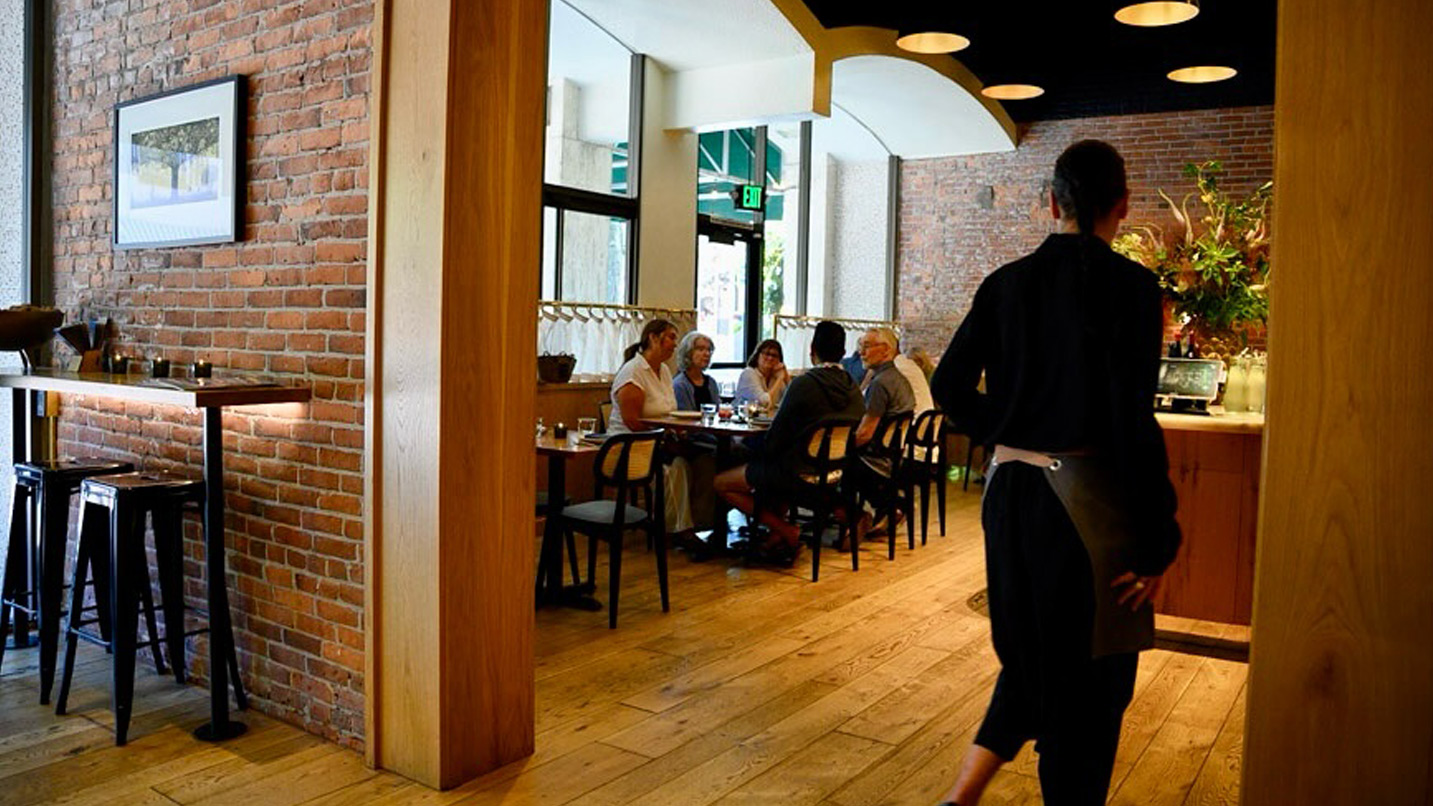
3. Enjoy the Whole-Farm Ecosystem at Grounded Table
At Grounded Table in McMinnville, the dedication to farm-direct purchasing that’s long guided James Beard-nominated chef Sarah Schafer’s career has reached an apex. “I’ve always been aware of the importance of thoughtful sourcing,” she says, “but now I feel like, instead of talking the talk, I’m walking the walk — with my feet on the ground, pulling up the beets and the horseradish that I need, or picking the strawberries I need that I’m going to use for a shortcake.”
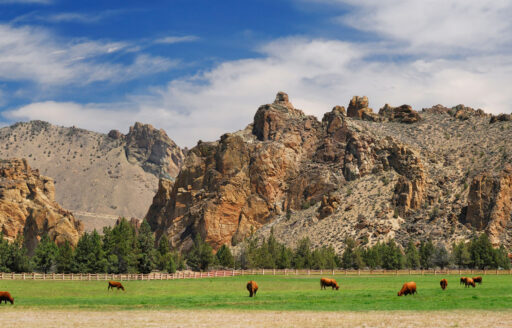
That’s because Grounded Table is part of the larger, holistic ecosystem of The Ground, which includes the nine-room Inn the Ground and founding farm Tabula Rasa Farms in Carlton; Source Farms farmstand in Yamhill, which brings together food from Tabula Rasa and other local farms; and The Pub in McMinnville, which shares a kitchen with Grounded Table. Together they represent a vision of hospitality informed by regenerative agriculture. Much of the food served year-round at Grounded Table comes from Tabula Rasa Farms, including the beef, pork, turkey and chicken, as well as produce.
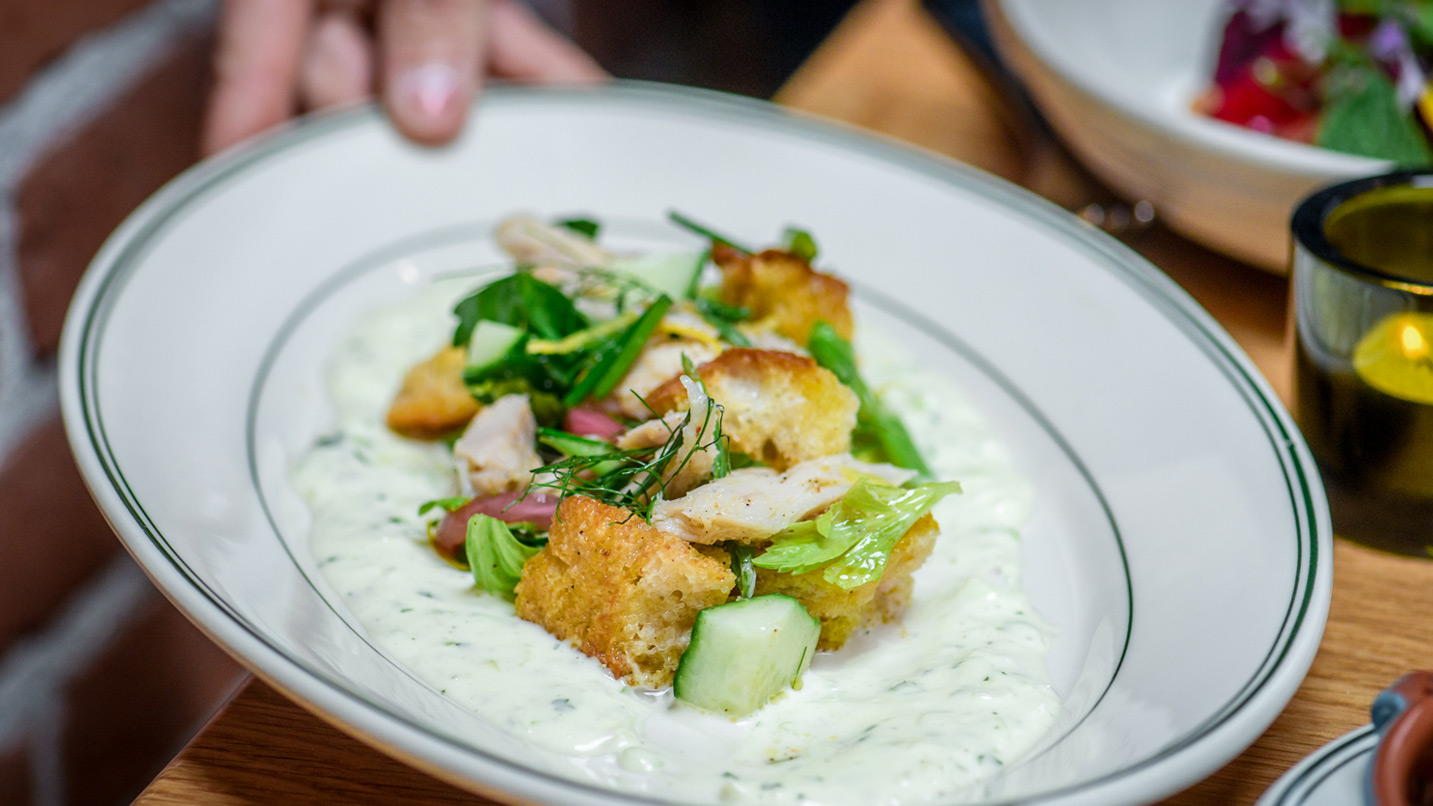
The intimate relationship between the restaurant and the farm is reflected in Grounded Table’s whole-animal approach. You’ll find crowd pleasers like a Source Farms steak served with seasonal vegetables or smoked-turkey pot pie topped with ranch-powder drop biscuits, as well as more adventurous options like cured beef tongue with endive and shaved radish or a charcuterie board that includes pigs’ head croquette, pancetta and cured ham, each paired with respective accompaniments.
In the mood for something more casual? You’re in luck. The Pub has a more laid-back vibe — think smoked meats, counter service and no reservations — but the ethos remains the same. There aren’t many places you can tuck into house-made sauerkraut made with regeneratively farmed cabbage alongside a spicy beef hot link made with local meat and a glass of Oregon pinot noir while you watch the game on TV, but this is one of them.