

For solitude, scenery and starry nights, slow down and smell the sagebrush in the northwest corner of Southern Oregon’s Great Basin. It’s a remote, starkly beautiful and sparsely populated part of Oregon that rewards the unhurried traveler with wide-open spaces, unique ecosystems and postage-stamp towns.
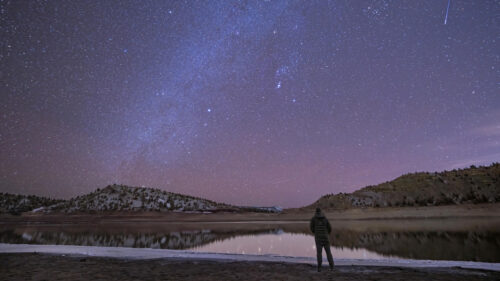
The Cowboy Dinner Tree, known as a ranch-style destination restaurant, has four rental cabins that make a perfect base camp. Here’s how to spend an enchanting week in the area, where the geologic wonders of the vast frontier landscape wow you by day and the 2.5-million-acre Oregon Outback International Dark Sky Sanctuary awes you by night.
Day 1: Portland to Base Camp
(250 miles one-way)
We drove from Portland to Bend, stopped for gas in La Pine, and then veered southeast on the renowned Oregon Outback Scenic Byway (Highway 31), where forest faded into desert and the horizons opened up. Luminous clouds and slanting afternoon sunrays highlighted the changing colors of the sparse, sculptural landscape.
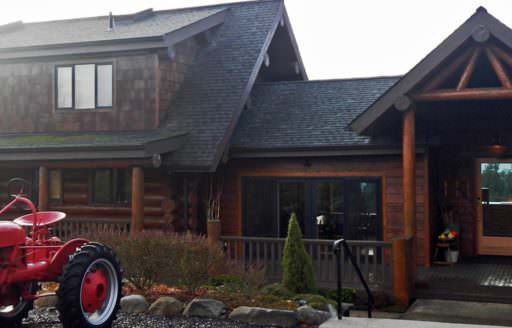
Our destination was the Cowboy Dinner Tree, where we’d make camp for four nights. They say the collection of rustic raw-wood buildings, ramshackle at first glance, is where a cowboy chuckwagon fed cowhands decades ago.
With four separate cabins sleeping two to nine people each, it makes a sweet base camp for the area. Two cabins date to the 1990s, and two ADA-accessible cabins were built in 2021. They’re all set up for comfort with woodstoves, electric heat and kitchenettes suitable for simple meals. We gazed from our porch upon forested mountains flanked by acres of empty sagebrush dotted with ponderosa pines.
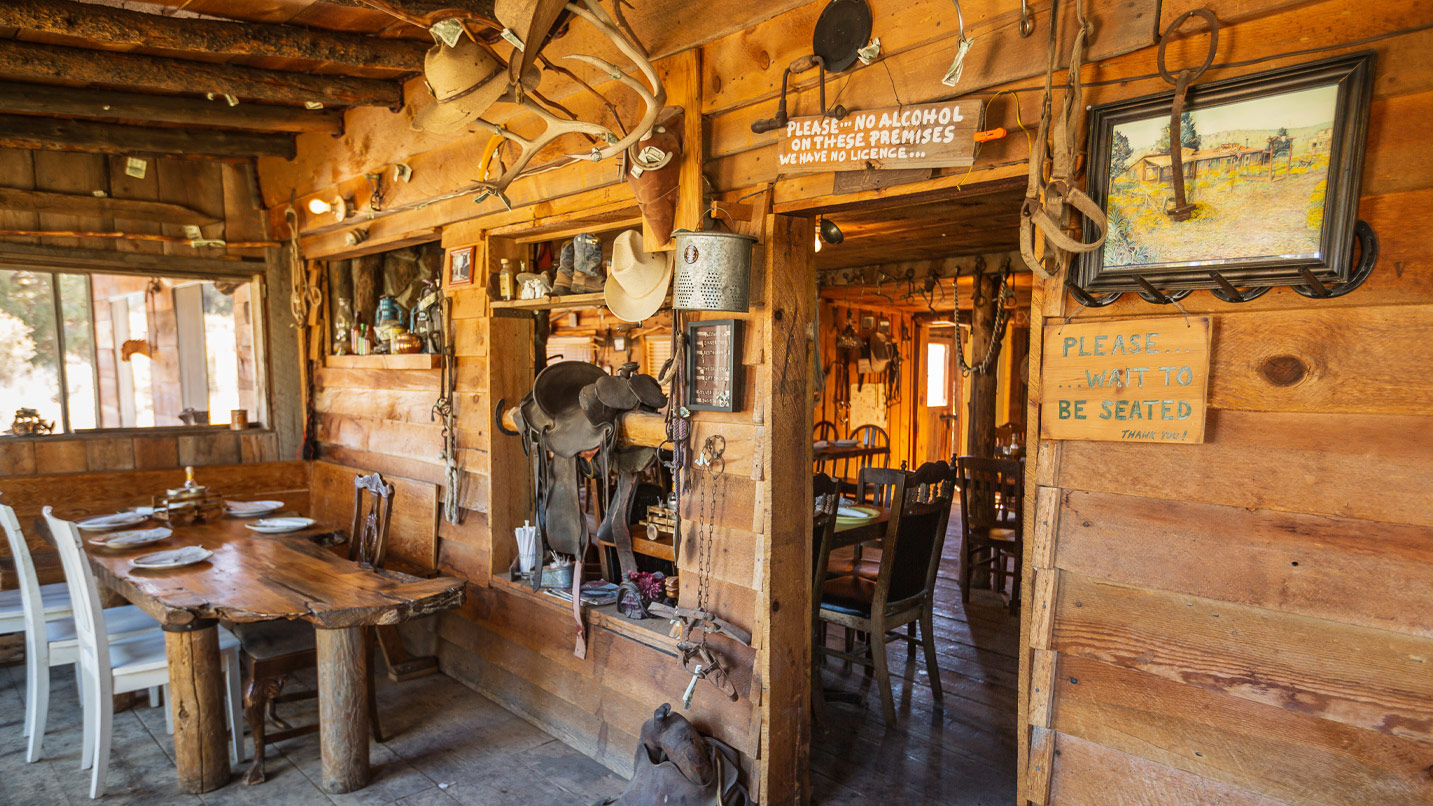
After settling into our cozy two-bedroom cabin, we saddled up for the main attraction: a cowboy-size, family-style, all-you-can-eat meal in the restaurant. Famous for its huge, ranch-style meals, the dining room overflows with relics — horse tack, rusty tools, kerosene lanterns, and black-and-white photos. Guests choose between a roasted chicken or a 30-ounce boneless steak, so we got one of each. Accompanied by salad, beans, baked potatoes and a pie tin of the dreamiest warm pull-apart rolls on the planet, we were appropriately overfed. Dessert was buttermilk pie and berry shortcake.
Day 1: Portland to Base Camp
(250 miles one-way)
We drove from Portland to Bend, stopped for gas in La Pine, and then veered southeast on the renowned Oregon Outback Scenic Byway (Highway 31), where forest faded into desert and the horizons opened up. Luminous clouds and slanting afternoon sunrays highlighted the changing colors of the sparse, sculptural landscape.
Our destination was the Cowboy Dinner Tree, where we’d make camp for four nights. They say the collection of rustic raw-wood buildings, ramshackle at first glance, is where a cowboy chuckwagon fed cowhands decades ago.
With four separate cabins sleeping two to nine people each, it makes a sweet base camp for the area. Two cabins date to the 1990s, and two ADA-accessible cabins were built in 2021. They’re all set up for comfort with woodstoves, electric heat and kitchenettes suitable for simple meals. We gazed from our porch upon forested mountains flanked by acres of empty sagebrush dotted with ponderosa pines.
After settling into our cozy two-bedroom cabin, we saddled up for the main attraction: a cowboy-size, family-style, all-you-can-eat meal in the restaurant. Famous for its huge, ranch-style meals, the dining room overflows with relics — horse tack, rusty tools, kerosene lanterns, and black-and-white photos. Guests choose between a roasted chicken or a 30-ounce boneless steak, so we got one of each. Accompanied by salad, beans, baked potatoes and a pie tin of the dreamiest warm pull-apart rolls on the planet, we were appropriately overfed. Dessert was buttermilk pie and berry shortcake.
Day 2: Fort Rock and Hole-in-the-Ground
(70 miles round-trip)
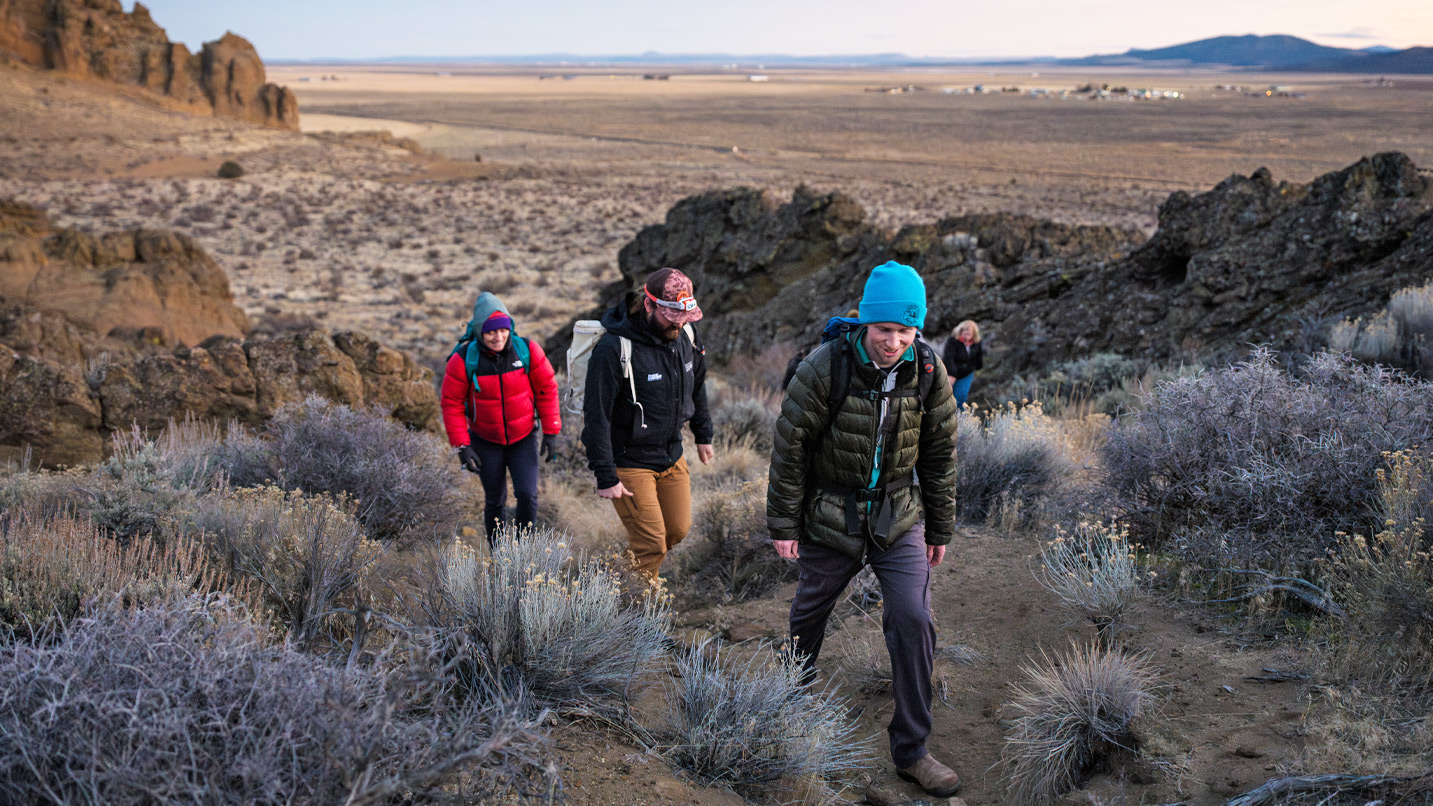
Backtracking north on Highway 31, we found Hole-in-the-Ground, a circular volcanic crater about a mile across, and hiked the 2-mile trail descending into the middle of the crater, about 400 feet below the rim.
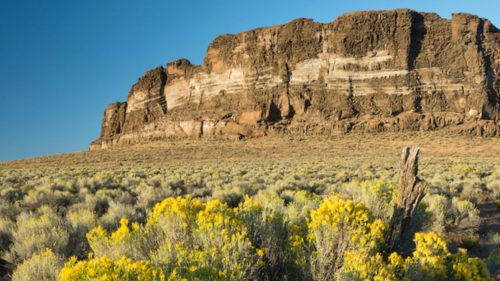
Next stop was Fort Rock State Natural Area, the jagged volcanic remains of an ancient caldera that rise dramatically from the surrounding ice age lake bed. We had a tailgate picnic of Cowboy Dinner Tree leftovers, and glimpses of cottontail rabbits and soaring raptors punctuated our 2.3-mile loop hike into the center of the caldera. After scrambling among the rocks and boulders, we headed to the Waterin’ Hole Tavern & Grill in Fort Rock for burgers and sweet potato fries.
Day 3: Christmas Valley, Sand Dunes and Crack-in-the-Ground
(120 miles round-trip)
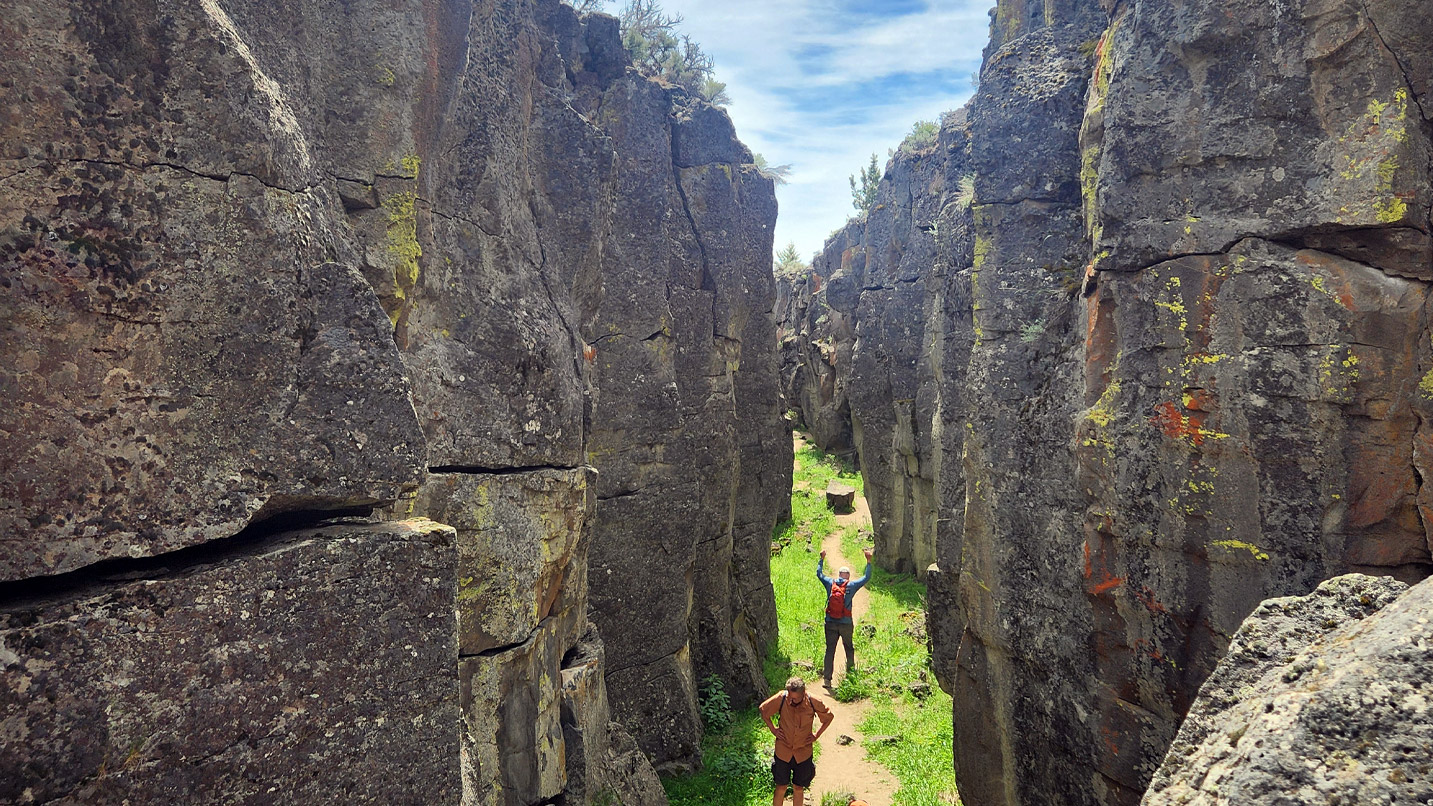
Today’s journey took us northeast to Crack-in-the-Ground, where a 2-mile hiking trail snakes through a narrow canyon. The walls reach heights up to 70 feet, and at times it’s so narrow, we could nearly reach out and touch both sides at once. Note the canyon’s about 20 degrees cooler than up top, so we ate our picnic near the car.
We spent the afternoon at the Christmas Valley Sand Dunes. At 11,000 acres, it’s the largest inland shifting sand-dune system in the Pacific Northwest, and very popular among off-road enthusiasts who enjoy touring the dunes on their vehicles.
Next we hit Christmas Valley, population 1,300. It’s a major commercial center by Lake County standards, with attractions including a public nine-hole golf course and a small man-made lake, along with a few grocery stores, motels and a gas station. For dinner we bellied up to the bar at the Christmas Valley Lodge. A lively darts game passed the time while waiting for our Pacific cod and wild-caught salmon dinners.
Day 4: Hike Hager Mountain
(20-mile round-trip)
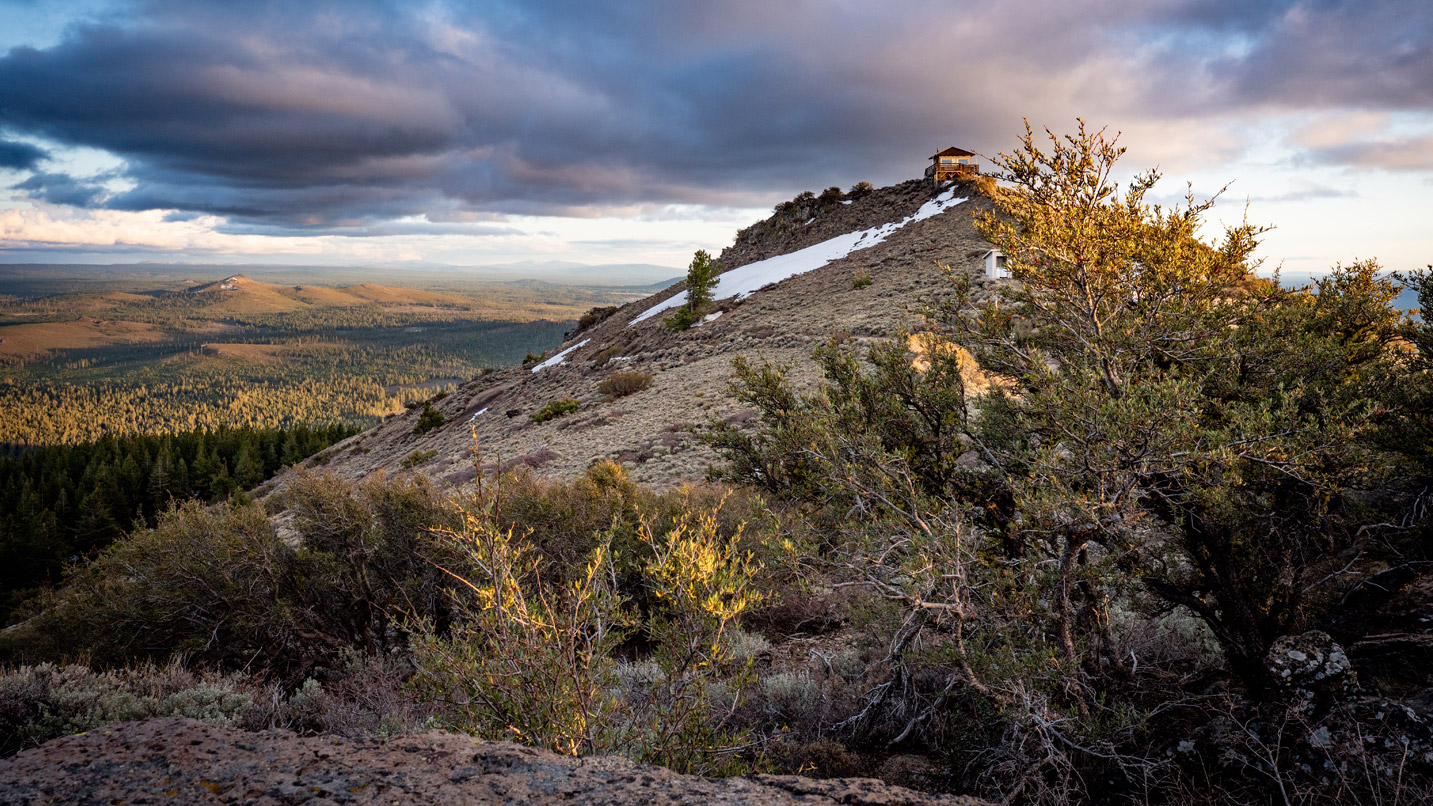
After a short drive to the Hager Mountain trailhead, we climbed through a mixed-pine parkland, which eventually opened up into expansive vistas of desert and forest. We gained about 2,000 feet in just over 3 miles and were rewarded by an epic 360-degree tableau from Hager Mountain Lookout. Views of the week’s destinations — and superb cell reception — accompanied our picnic lunch. We relaxed at nearby Silver Lake Cafe & Bar, where exotic rotating surprises like samosa pie with mint sauce and Japanese curry round out the selection of burgers, sandwiches, and homemade cakes and pies.
Day 5: Birding and Hot Springs
(60 miles one-way)
We packed our gear and headed southeast to Summer Lake Wildlife Area, one of the state’s best destinations to see migrating shorebirds and waterfowl. The reserve’s 8 miles of roadway took us past multiple small lakes and eight distinct habitats in 30 square miles, and we walked a few trails, binoculars in hand. A bald eagle put on a show, wheeling overhead.
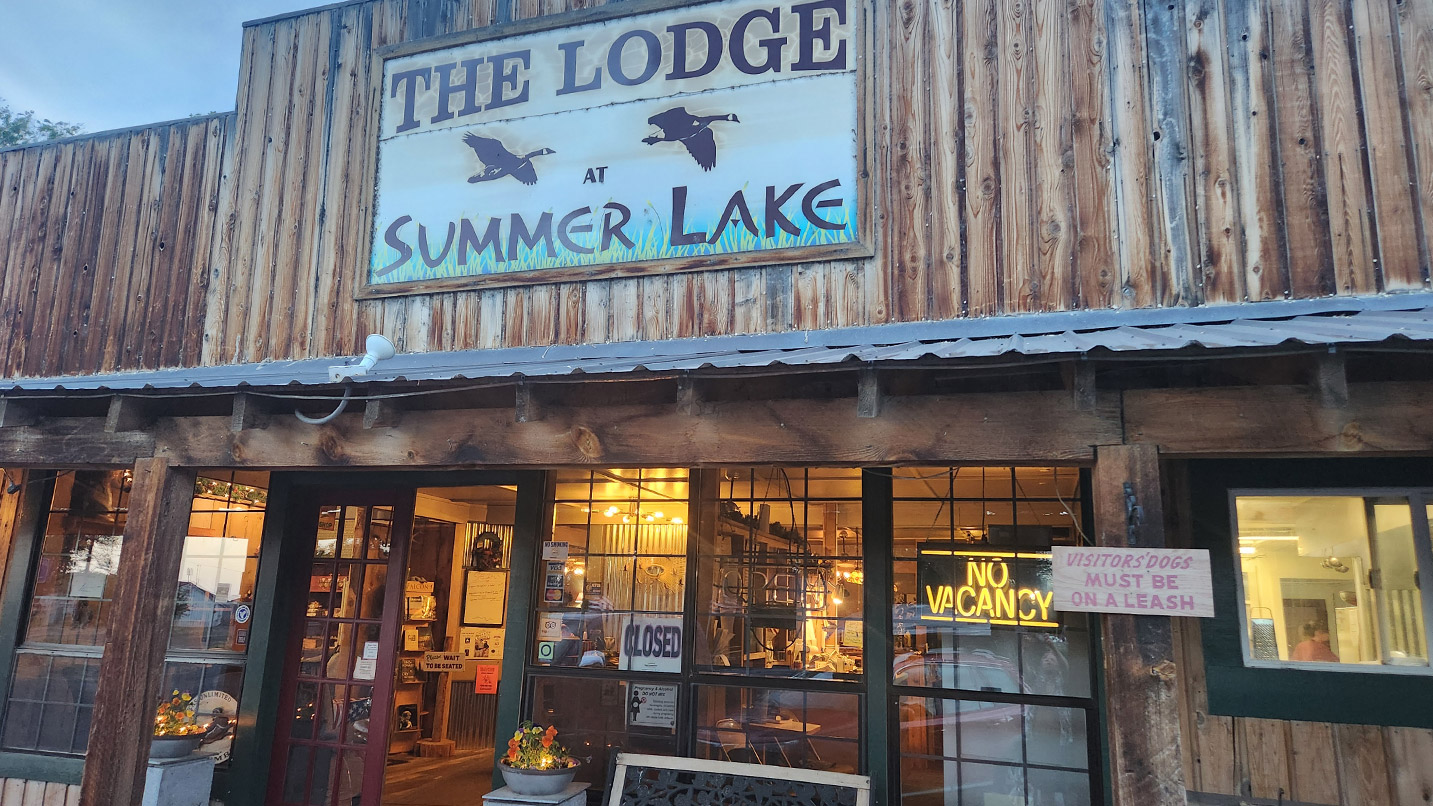
The Lodge at Summer Lake, right across the highway from the refuge, made a perfect lunch spot. The culinary highlights at its Flyway Restaurant are clam chowder, steaks and burgers made with the same beef as that at Cowboy Dinner Tree.
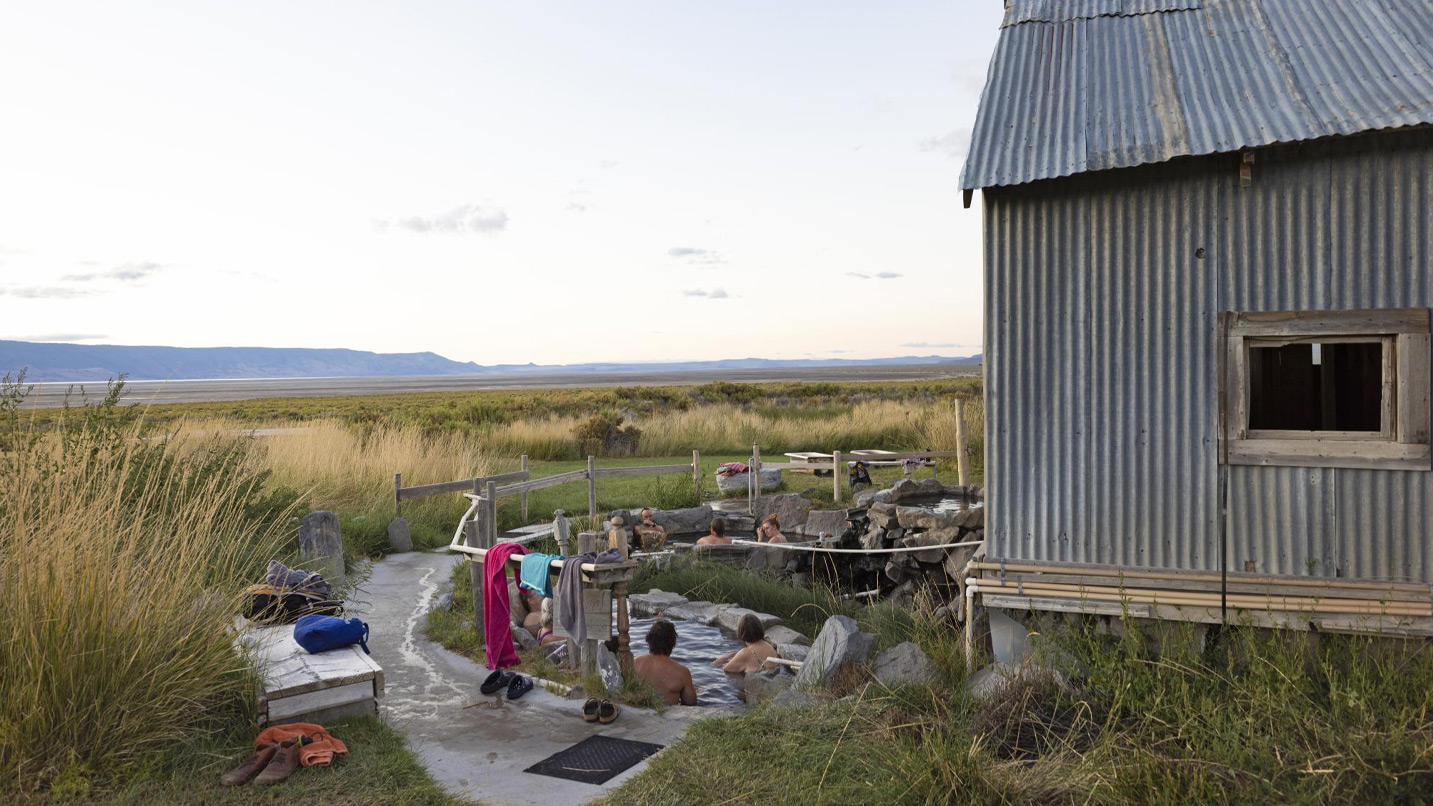
Sated, we headed south and checked in at Summer Lake Hot Springs for two luxurious days of soaking in mineral-rich waters. There’s an indoor concrete pool in a rustic ranch building (closed in winter) and three year-round, rock-lined outdoor soaking pools. Nine cabins, a two-bedroom house, RV spots and camping all include hot-springs access for guests only.
Day 6: Soaking, Geology and Wildlife
(70 miles round-trip)
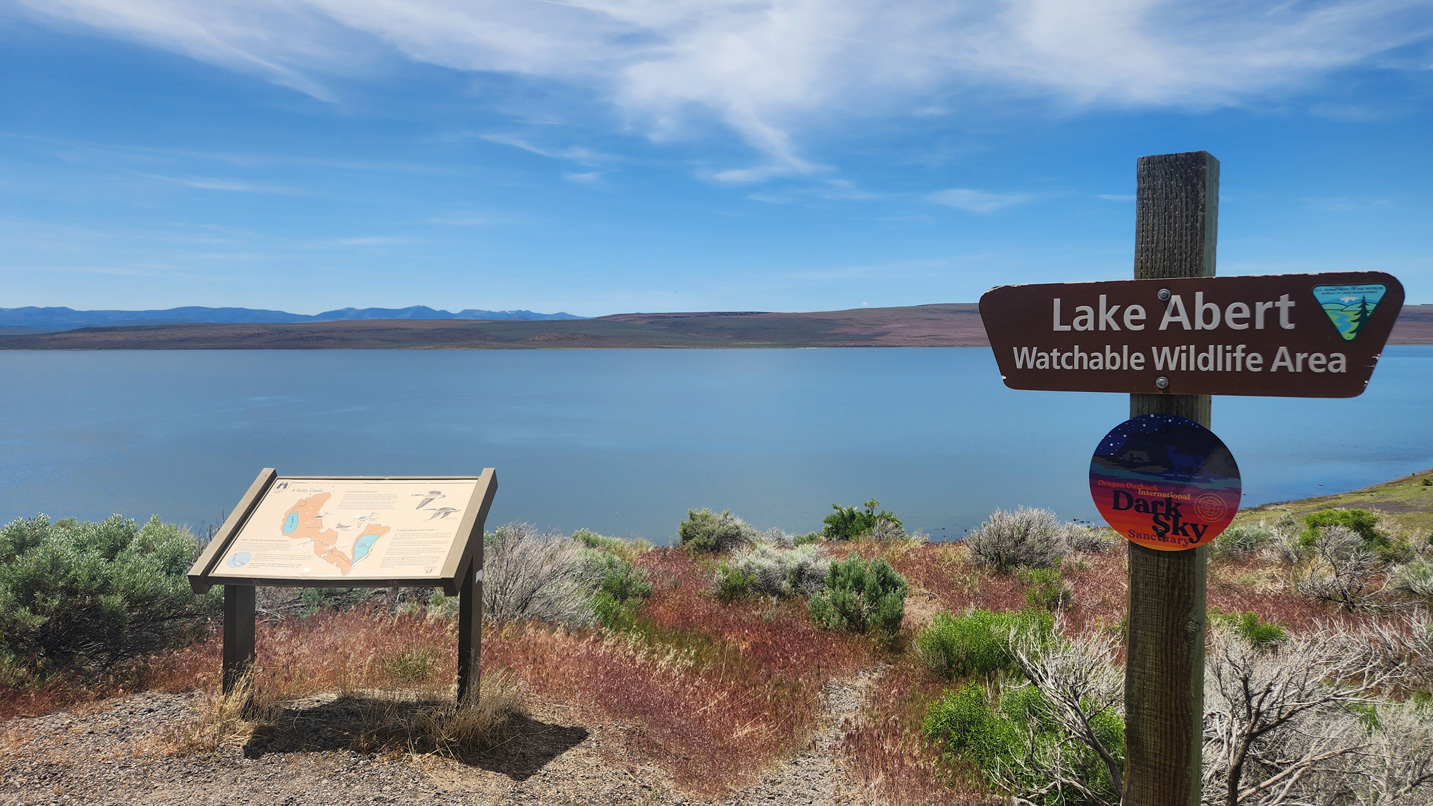
After a tranquil morning of coffee, views and hot water, we headed to Lake Abert & Abert Rim Watchable Wildlife Area on Highway 395. It’s near the south end of Lake Abert, Oregon’s only saline lake. Migrating birds on the Pacific Flyway feed here on brine shrimp, making it another birding destination.
The imposing Abert Rim stretches north and south, one of the highest and longest exposed fault scarps in North America. At 2,500 feet tall, with an 820-foot sheer-sided basalt cap, it glowed in golden glory in the afternoon sun. We studied the slopes for bighorn sheep, which navigate the escarpment along with deer, antelope, coyotes and raptors. Our binoculars also followed some paragliders — it’s a famous site for gliding sports.
After sunset reflections in the lake, we backtracked to Paisley for gas and dinner at the Pioneer Saloon and Restaurant, where we tucked into burgers marinated in whiskey and garlic and topped with Swiss cheese and bacon. The Pioneer is one of the oldest bars in Oregon and has a huge, elaborate wooden back bar, shipped from Boston in 1906.
With just 250 residents at the last census, tiny Paisley has a gas station and Paisley Mercantile, a grocery/general store with fishing, camping and hardware items.
Day 7: Homeward Bound
(290 miles one-way)
After one last soak, we checked out and headed home, healed by the solemn silence of the desert, the dazzling stars and the earth-toned desert palette.
If You Go:
This is Oregon’s Outback, with long distances, sparse population, spotty cell coverage and few services. Follow these tips for a safe and successful trip.
- Expect lots of time in the car — pack up great tunes, snacks, water and provisions. Restaurants, grocery/convenience stores and gas stations are limited. Make sure you have plenty of gas in case of unexpected gas station closures or detours.
- Call ahead to make sure restaurants are open and serving when you plan to visit. Inquire about reservations and credit cards.
- Carry cash to make sure you can eat and buy provisions, even if there’s a utility outage.
- Cowboy Dinner Tree is cash-only for both meals and lodging, and reservations are required for both. Be sure to bring leftover containers for your meals — they provide plastic bags only.
- Parking permits are required for Summer Lake Wildlife Area.
- Keep your phone charged, and don’t expect coverage everywhere. Rely on paper or downloaded maps instead of your phone for directions.
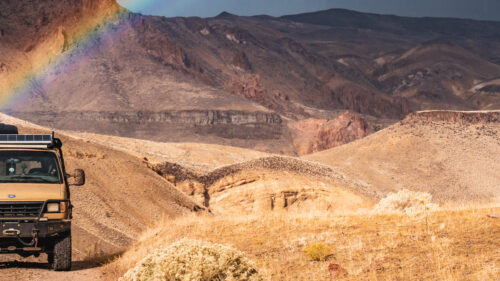
- If you plan to drive on unpaved roads, make sure your vehicle has adequate clearance and a reliable spare tire.
- Be prepared for inclement weather and emergencies. Have a survival kit on hand with extra water and food.