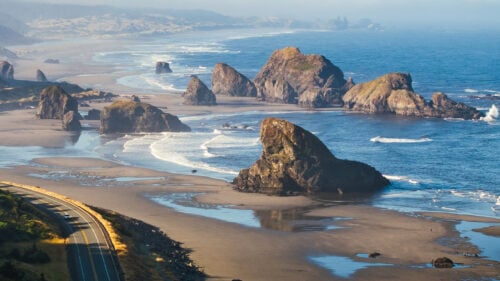


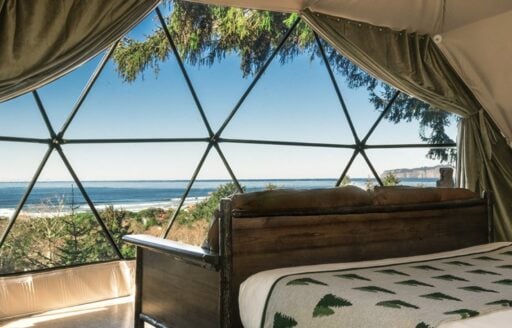


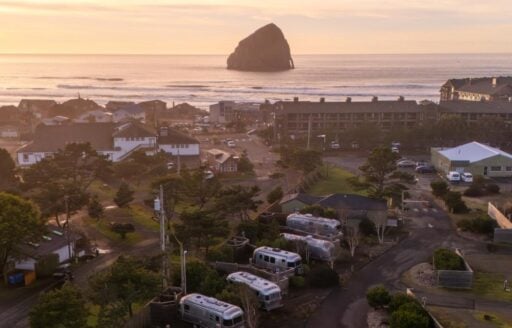
Every hour of every day, the Pacific Ocean’s waves crash into the shoreline of the Oregon Coast. The tides make their back-and-forth dance, hiding or revealing critters in rocky tide pools, coursing through ancient forests and dictating when visitors can toss their crab pot into the surf or jam their clam shovel into the sand.
The ocean’s tides can have a profound impact on outdoor recreation on the Oregon Coast, so it’s helpful to know how to read what are known as tide tables. Those tables show the relative height of the ocean tides, as well as when they occur each day. Here’s more on where to find tide tables, how to read them and how to make the most of high-tide or low-tide windows.
Where to Find Tide Tables on the Oregon Coast
Start by tracking down a tide table, copies of which are plentiful along the Oregon Coast. Physical copies with local tide predictions are typically available at hotels, restaurants, ranger stations, visitor centers, outdoor shops, hardware stores and local outfitters. Most often you’ll find booklets that are free or available for a nominal fee.
Online, Oregon State Parks offers annual tide tables with day-by-day predictions on each coastal park’s webpage. Type in your destination and you’ll see the chart, or locate a nearby park if yours doesn’t have a chart. Tables and charts are also on the National Oceanic and Atmospheric Administration’s Tides & Currents webpage.
For tidal information on your mobile device, download the Tide Alert app for Apple devices or Tides Near Me for Google and Apple devices.
How to Read Tide Tables on the Oregon Coast
Tide tables are handy for knowing the best time to go to the beach. They all contain the same basic information: a date and day of the week, times, and specific measurements for how high or low each tide may be.
In the tide table’s leftmost column are the date and day of week. To the right are usually a few specific times, each of which denotes that day’s high and low tides. Oregon generally sees two high tides and two low tides daily, usually about six hours apart.
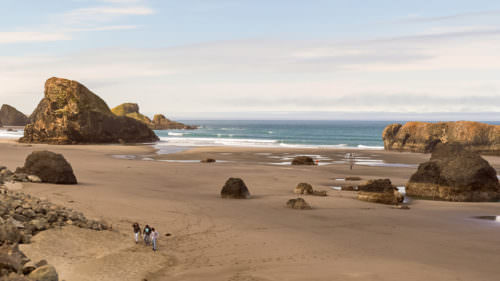
The high and low tide numbers are in the rightmost column, and they indicate the tide’s height. High tide refers to when waves reach their highest point on the beach, while low tide measures when waves are furthest out. The higher the tide, the less beach you have to walk on. When the low tide is written as a negative number, it is lower than average. This is best for tidepooling, since portions of the shore that are typically underwater are exposed.
The highest of the high tides, meanwhile, are called king tides. These happen a few times each year, usually between November and January, and are when tides come highest up the beach — occasionally spilling over onto parking areas and local roads. Note that these extra-high tides can be very dangerous, especially when they are accompanied by storm swells. Abide by all signage and watch from vantage points that are either indoors or well above beach level. Learn about staying safe during king tides.
Crabbing, Clamming, Ghost Forests and Tide Pools
Now that you know your way around a tide table, use that information to plan some fun activities for your next beach adventure.
If you’re crabbing, the Oregon Department of Fish & Wildlife suggests tossing your pot at slack tide (the midpoint between high and low tide), when crabs are more likely to be active. Similarly, clamming at Fort Stevens State Park, Tillamook Bay, Coos Bay and other sites on the Coast is best enjoyed at low tide, and is especially sublime during minus tides.
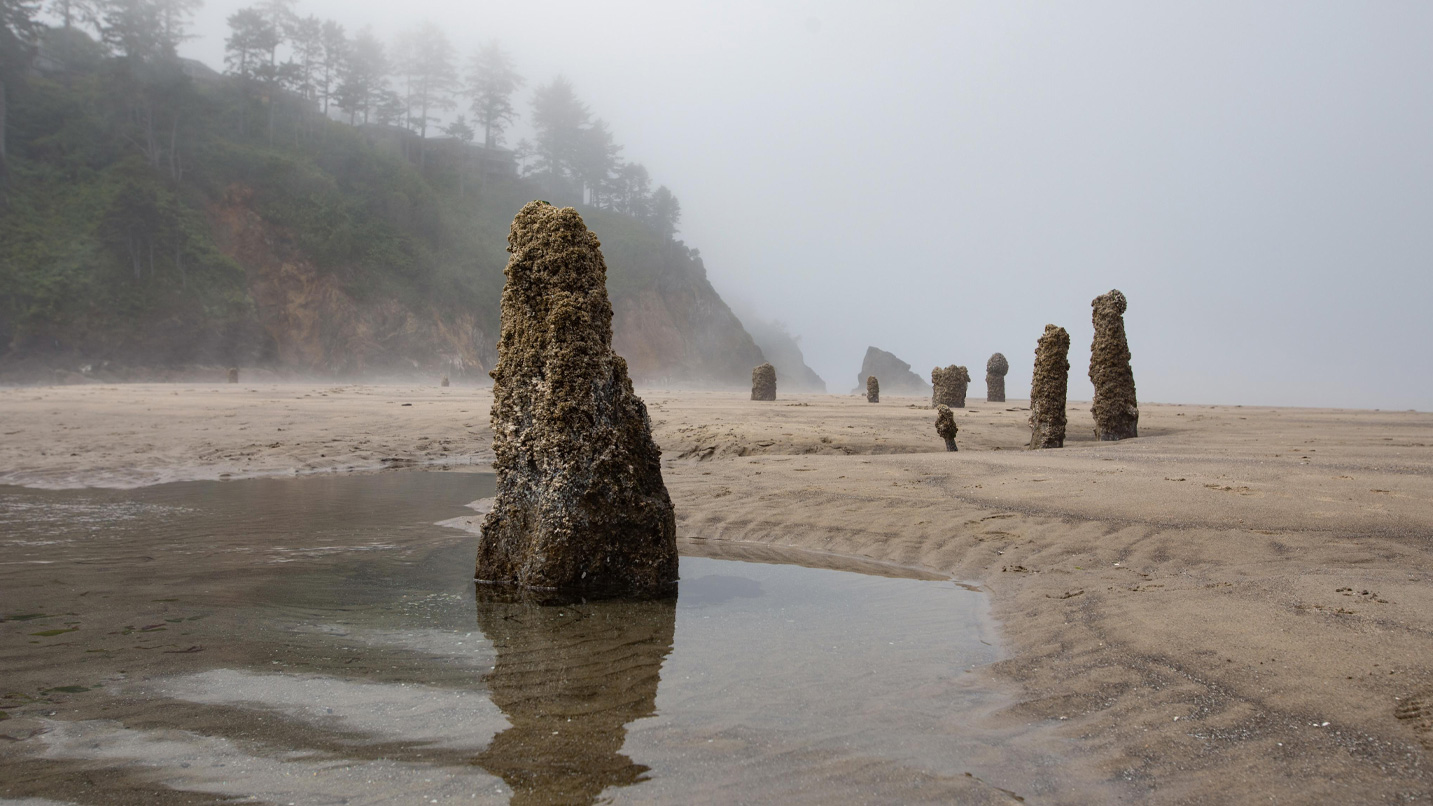
North of Lincoln City, Neskowin Beach State Recreation Site hosts the Neskowin Ghost Forest, the remnants of a former Sitka spruce forest that are today largely submerged in the surf. See as much of the forest as possible in winter, when low tides are at their lowest and the largest number of trunks are exposed.
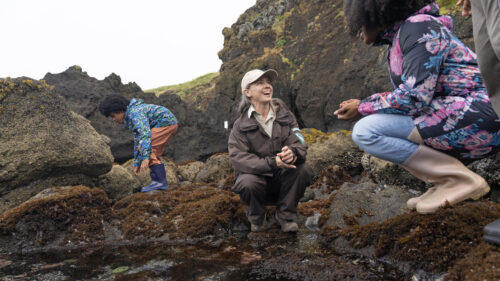
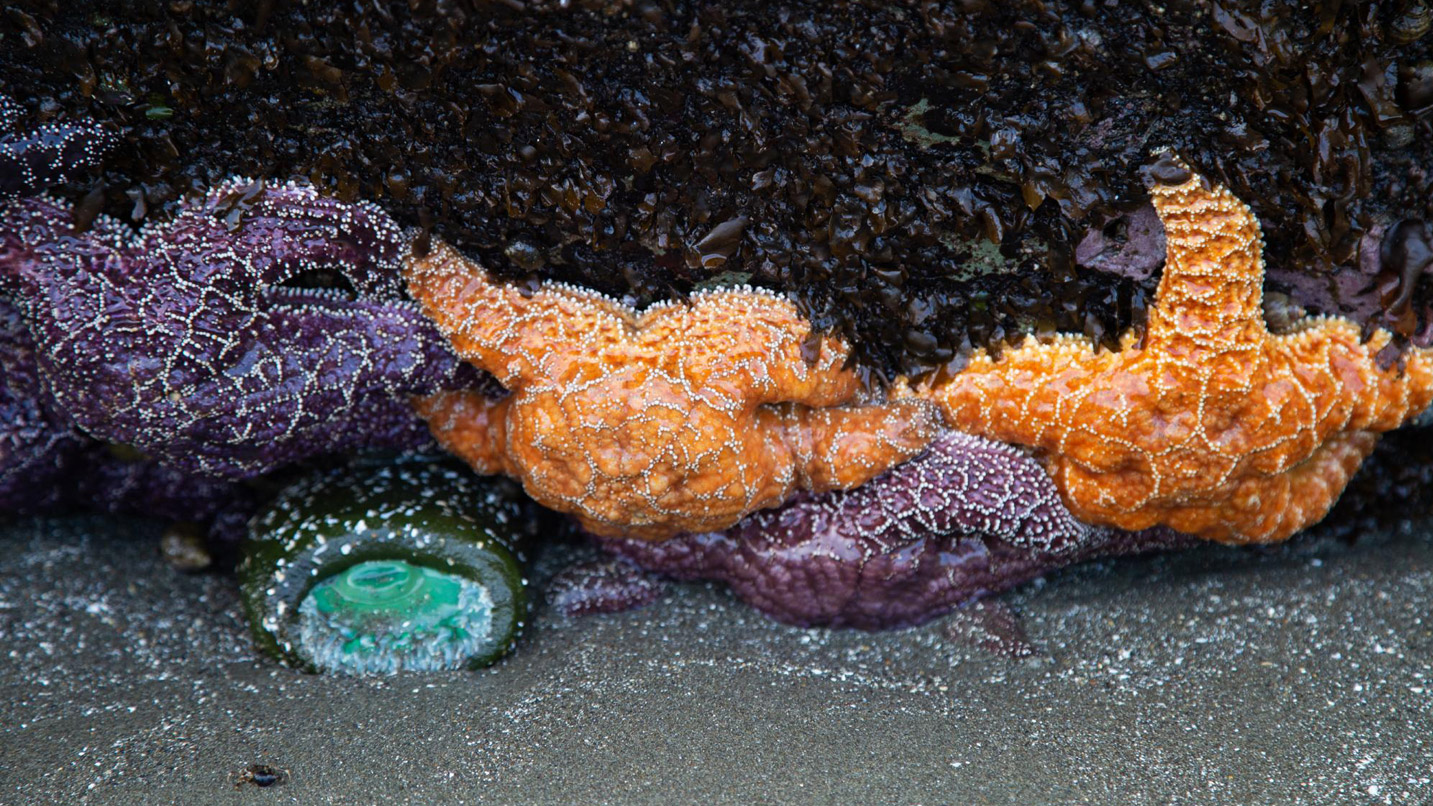
Look for starfish, sea anemones and other creatures in coastal tide pools. Some of Oregon’s most popular tide pools are at the base of Haystack Rock in Cannon Beach, Yaquina Head Outstanding Natural Area near Newport and Coquille Point in Bandon.
If You Go:
Keep a few tips in mind for having the safest possible experience while on the Oregon Coast.
- Practice Leave No Trace principles to preserve delicate coastal ecosystems.
- Protect against sneaker waves and rip currents, and never turn your back on the ocean.
- When tide pooling, wear durable shoes with strong traction, and only step on sand or bare rocks to avoid injuring wildlife.
- Never move any critters in tide pools.
- Keep an eye out for rising tides, especially when tide pooling.
- Check out more tips for safely visiting the Oregon Coast.