



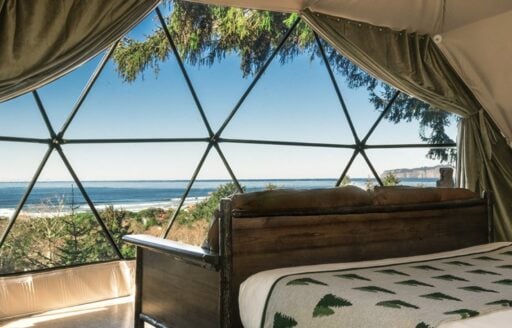



Many of Oregon’s wineries produce world-class wines that are not just delightful to drink — they also have a lighter footprint on the environment. In fact, Oregon has the highest percentage of third-party, certified-sustainable grape growers of any region in the world. They come with a variety of distinctions that are handy to know. From key terminology to must-visit wineries, here’s what you need to know about eco-friendly wines in Oregon.
Biodynamically Delicious
The biggest movement is toward biodynamic wines, as Oregon now produces a significant share of biodynamic wines in the United States — a feat that’s attracted national attention. Oregon is now home to nearly two dozen certified biodynamic vineyards. These wines are said to be more consistent and to more truly reflect the character of the terroir. Intrigued? Here’s your guide to Oregon’s eco-friendly wineries and why they’re worth exploring from the tasting room or the comfort of your own home.
Natural
No certification involved, this category includes any wines that have been fermented spontaneously with native yeast. They contain only trace amounts of added sulfites and have the bare minimum of winemaker intervention. Since they are not filtered or fined, they may appear cloudy. The winemakers may use organic or biodynamic practices, but choose not to pursue certification.
USDA-certified organic
Organic grapes are grown without the use of synthetic fertilizers, and all ingredients — including yeast — are certified organic. No sulfites may be added except those that occur naturally. Only these wines may display the USDA organic seal. (Wines can also be made with organically grown grapes, when the grapes and the winemaking facility must be certified organic, but not the additional ingredients.)
Demeter USA-certified biodynamic
All biodynamic wines are also certified organic, but have additional strict requirements focused on solutions for vineyard disease, pest and weed control as well as water conservation and biodiversity.
LIVE certified
LIVE (Low-Impact Viticulture and Enology) certification goes beyond the wine and grapes to promote socially responsible winegrowing and minimize environmental practices for the entire production, including landscaping, building operations, labor practices and packaging. These wines are often also organic or biodynamic and Salmon-Safe.
Oregon Tilth-certified Salmon-Safe
This set of standards focuses on water quality protection so salmon can thrive in local waterways. These wines may also be organic, biodynamic or LIVE certified.
North Willamette Valley
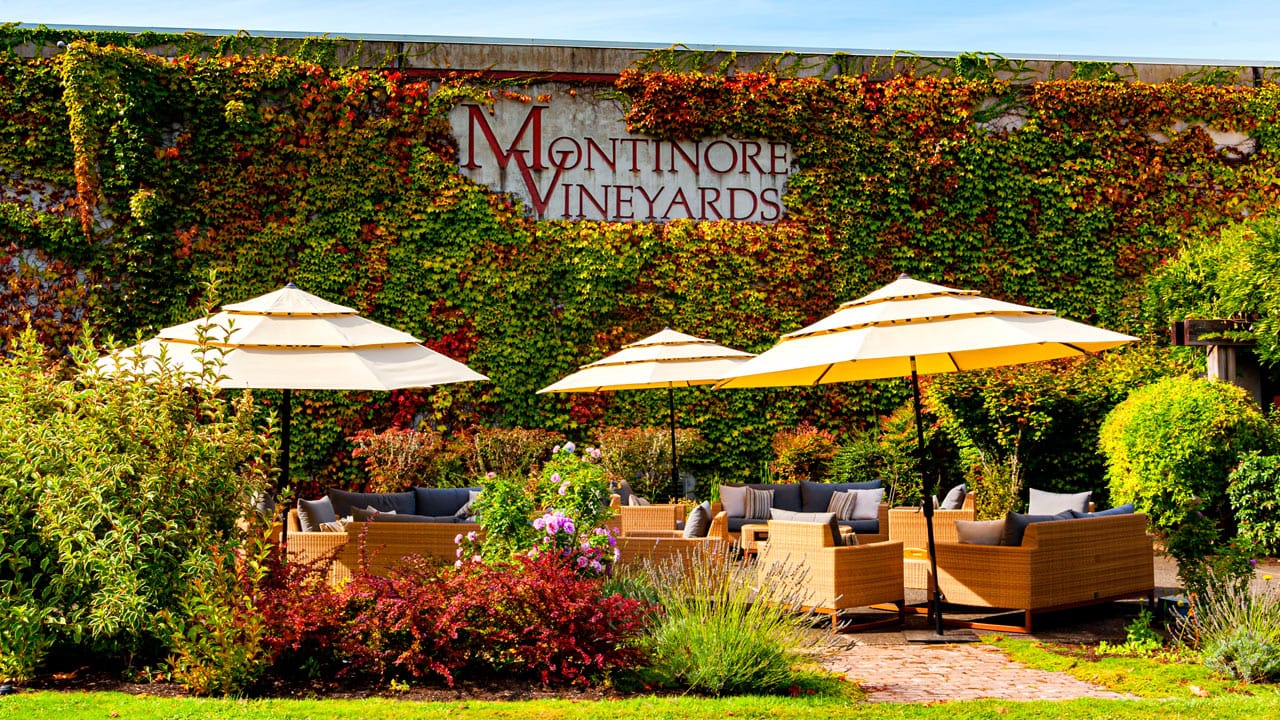
Montinore Estate in Forest Grove (Tualatin Valley, Portland Region) is one of the rock stars of biodynamic winemaking in Oregon, with hundreds of acres of biodynamic and organic vineyards. Winery partner Rudy Marchesi began adopting biodynamic practices in the early 2000s and became certified in 2008. Montinore is now one of the country’s largest producers of estate wines made from biodynamic grapes. Learn more about the process at Montinore’s lovely estate tasting room, and sip a flight of their Italian-style reds, pinot noirs and other varietals to see if you can taste the biodynamic difference. Picnics are encouraged.
Celebrate these biodynamic wineries nearby: Beaux Frères, Bergström Wines and Brick House Vineyard in Newberg; Cooper Mountain Vineyards and Fullerton Wines in Beaverton; Maysara Winery and Youngberg Hill in McMinnville; Ponzi Vineyards in Sherwood; Soter Vineyards and Dominio IV in Carlton; and Winderlea Vineyard & Winery in Dundee. Soter, for instance, donates 1% of sales of their Planet Oregon pinot noir to 1% for the Planet, which benefits organizations such as the Oregon Environmental Council.
Don’t miss: Sokol Blosser Winery in Dundee and Stoller Family Estate in Dayton, both of which are LEED-certified and certified B-Corp businesses. Sokol Blosser’s eco-friendly practices include a battery-recycling program, organic vineyard farming, maintaining birdhouses as part of the Prescott Bluebird Recovery Project and keeping beehives for pollination and honey. Stoller prides itself on its energy efficiency, as the first winery in the Pacific Northwest to use solar panels — now a growing practice. Stoller is also dedicated to preserving local ecology, housing one of the largest private oak savannas in the Pacific Northwest.
Mid- and South Willamette Valley
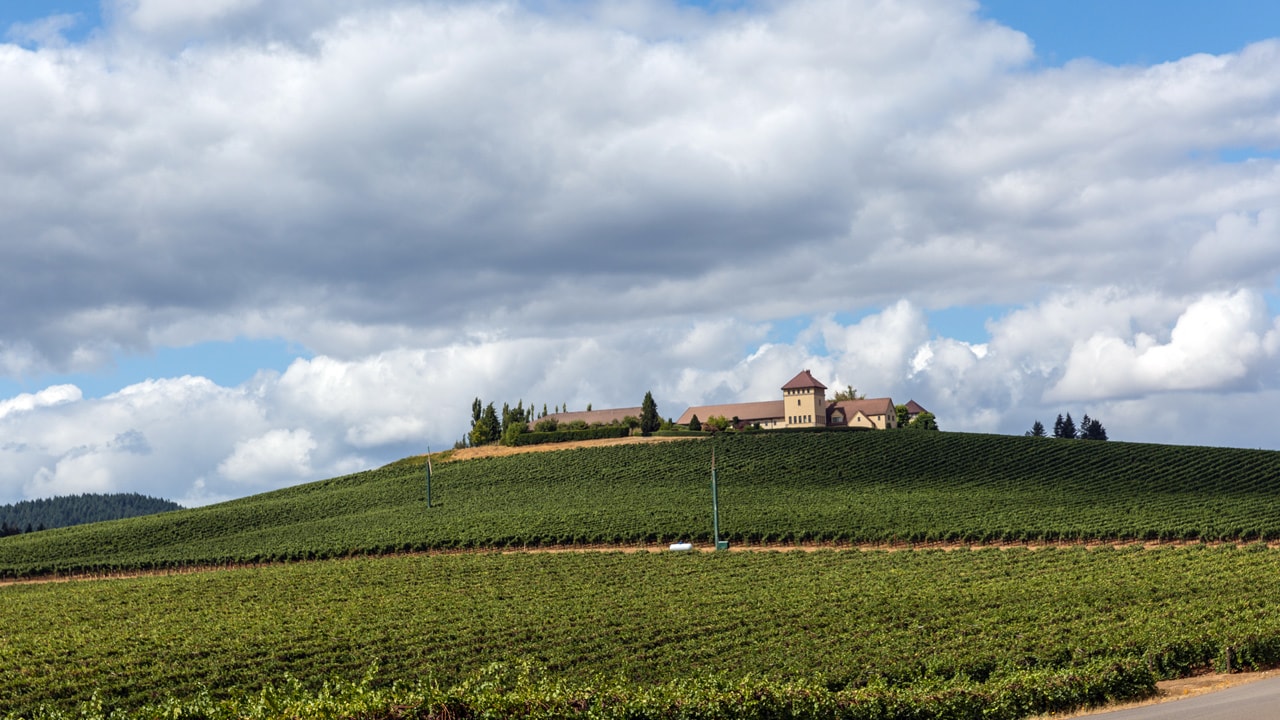
King Estate Winery in Eugene is another beacon in Oregon’s eco-friendly winery landscape, with 30 acres of organic gardens and orchards (pears, plums, apples, raspberries and more), an acre of lavender and bees that produce about 100 pounds of honey each year. The vintner deters pests by planting species strategically to attract beneficial insects, and also uses raptors, owls and kestrels to keep the vines free of pests.
When travel resumes, visit their on-site restaurant to enjoy sweeping views of the vineyard, which pairs Northwest wines with regional foods using organic ingredients grown locally and at the estate itself.
Celebrate these biodynamic wineries nearby: Brooks Wine and Keeler Estate Vineyard in Amity; Johan Vineyards in Rickreall; and Soléna Estate in Yamhill.
Don’t miss: Tyee Wine Cellars, an organic, solar-powered winery located on a scenic century farm in Corvallis. This certified Salmon-Safe winery is home to beavers, elk and more than 150 bird species plus a walking trail for visitors who want to spend a bit of time out in nature. It’s also worth paying a visit to the Left Coast Estate in Rickreall, which helps protect old-growth white oak savanna trees, some of which are up to 450 years old.
Southern Oregon
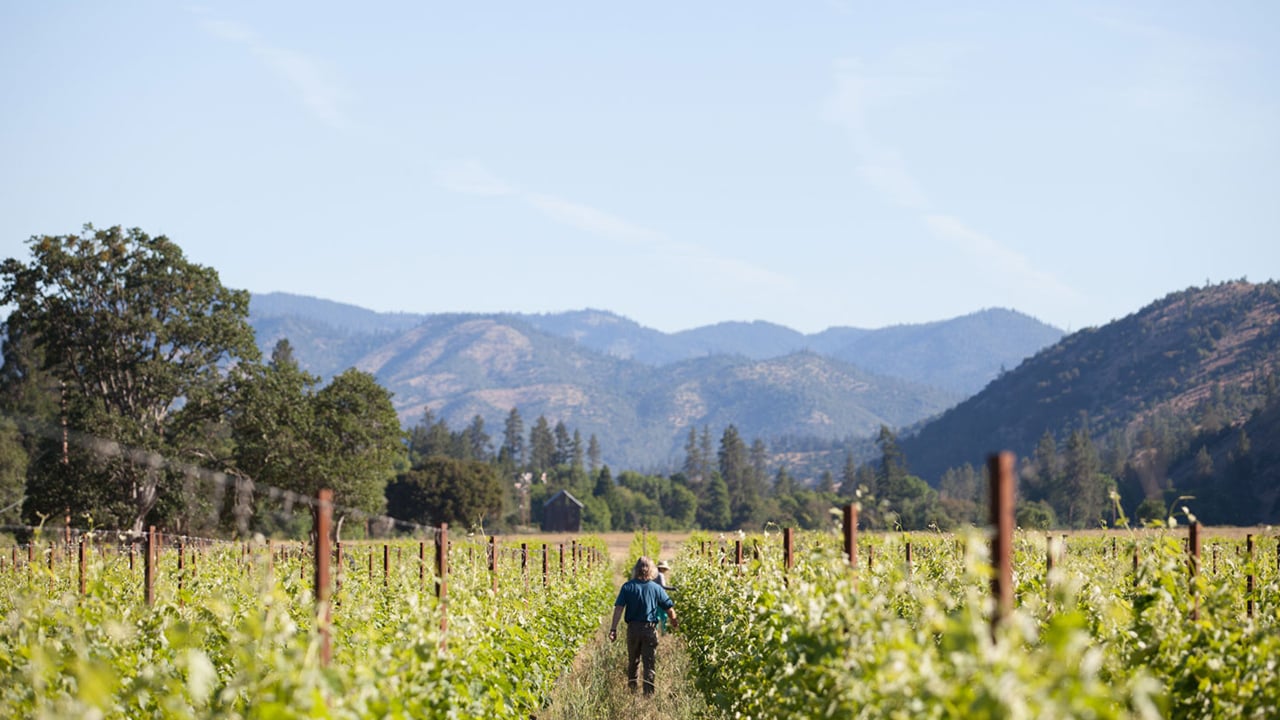
Cowhorn Vineyard & Garden in Jacksonville is named for the biodynamic farming method that ferments its wine using yeast strains from the vineyard instead of cultivated yeast. Specifically, they rely on their mixture of composted cow manure stuffed into cow horns, buried underground and left to ferment over the winter. In the spring, the winemakers dig up the horns and apply the all-organic mixture to their vineyard soils. It sounds mystical, but it’s a mainstay of biodynamic farming, which dates back to the 1920s.
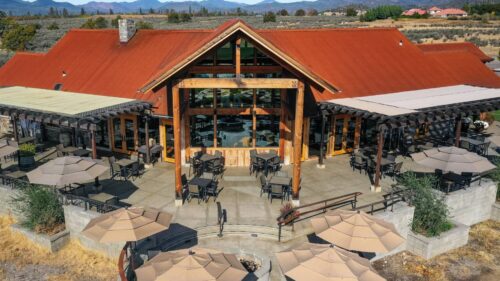
No stranger to innovation, Cowhorn’s unique tasting room in the Applegate Valley was also the first tasting room in the world to achieve the highest level of certification of the Living Building Challenge. Exceeding LEED certification, this achievement includes a handful of buildings in the world that are net-positive or net-zero energy, are free of toxins and lower their carbon footprint many times below the structure of the building itself. Cowhorn’s wines are a favorite among vino enthusiasts nationwide.
Don’t miss: Troon Vineyard and Schultz Wines, both in the Grants Pass areas. Troon is Demeter Biodynamic and Regenerative Organic Gold Certified, while Shultz is LIVE-certified and Salmon-Safe. Both offer gorgeous views of Applegate Valley vineyards and mountains.