





Spring in Eastern Oregon’s high desert and mountain country is the sweet spot after winter retreats and before summer’s heat descends. Using Pendleton (a scenic drive just over three hours from Portland) as your home base, you can experience an astonishing variety of ecosystems within a short drive: sagebrush steppes, wild rivers and lakes, ponderosa pine forests and basalt outcroppings that tell stories of volcanic origins.
This diversity of landscapes, combined with mild temperatures and relative solitude compared to summer crowds, makes spring the ideal season for an Eastern Oregon adventure. Lower-elevation sites are typically accessible and pleasant from March onward; higher-elevation trails in the Blue Mountains may retain snow through May. Pack layers for changing conditions, bring binoculars for wildlife viewing and allow time for spontaneous stops when the landscape beckons.
Watch Wildlife in Pendleton and Beyond
Start your spring getaway right in town at the Pendleton River Parkway, a wildlife-rich and undeveloped riparian habitat that winds along the Umatilla River. This paved trail features multiple access points as well as benches and a gazebo. Park near Ken Melton Little League Park to access the bridge, which crosses the river with walking and biking lanes. If you return in fall, look for the silvery-red forms of salmon navigating upstream through the clear waters. Riverside vegetation attracts mink, waterfowl and songbirds. The trail offers easy walking suitable for all fitness levels or abilities.
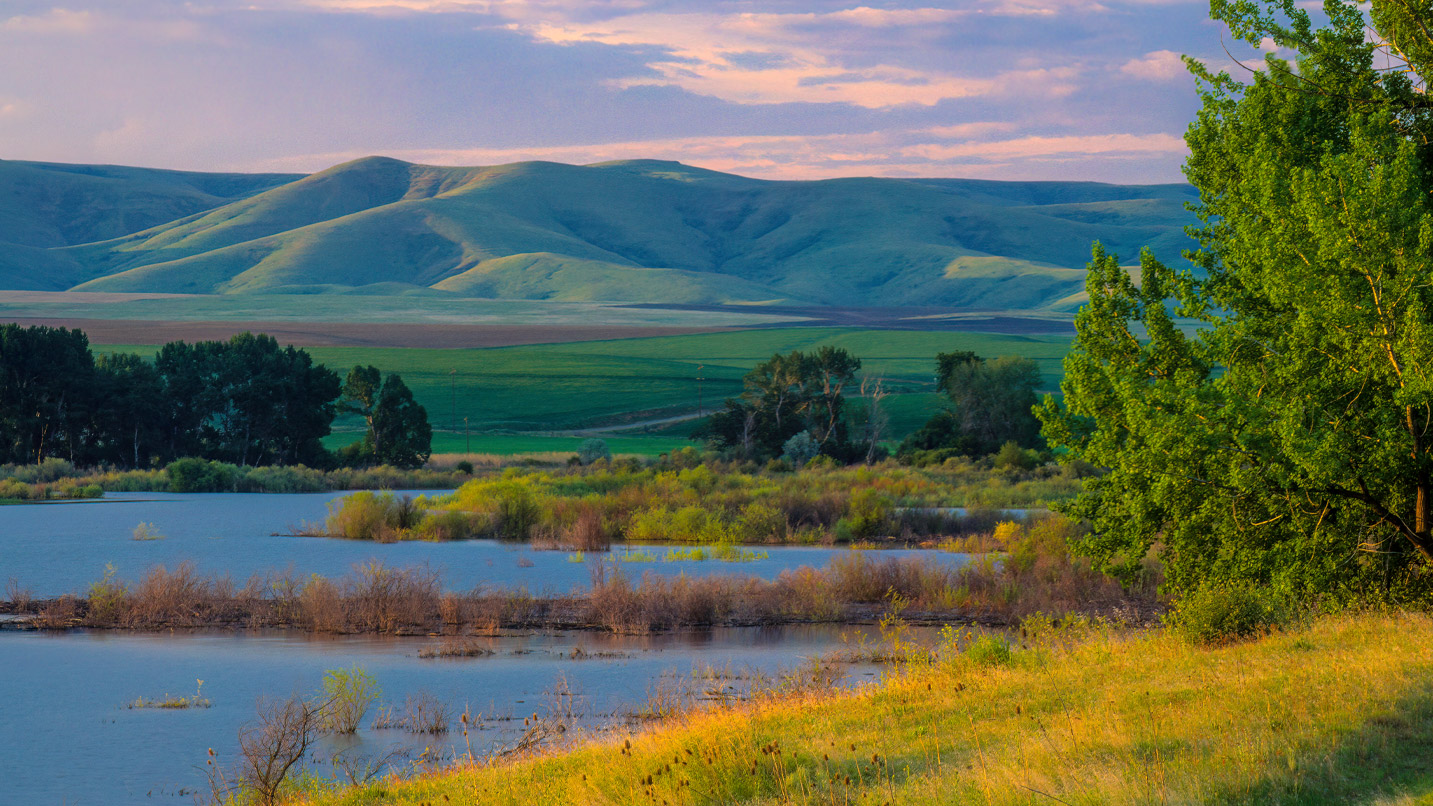
Just 6 miles south of Pendleton lies McKay Creek National Wildlife Refuge, open March through September. The reservoir shrinks and grows from 250 acres at minimum in late summer to 1,300 acres in late spring, fed by runoff from the nearby Blue Mountains. This wetland habitat in the high desert attracts great blue herons, red-tailed hawks, white-tailed deer and bald eagles, along with a variety of waterfowl and game birds such as pheasant and quail.
Exit off the Pendleton-John Day Highway at a clearly marked sign and enter the refuge. Once there you can follow a road along the western rim of the reservoir with multiple spots for parking.
Go Back in History With Lewis and Clark or Oregon Trail Hikes
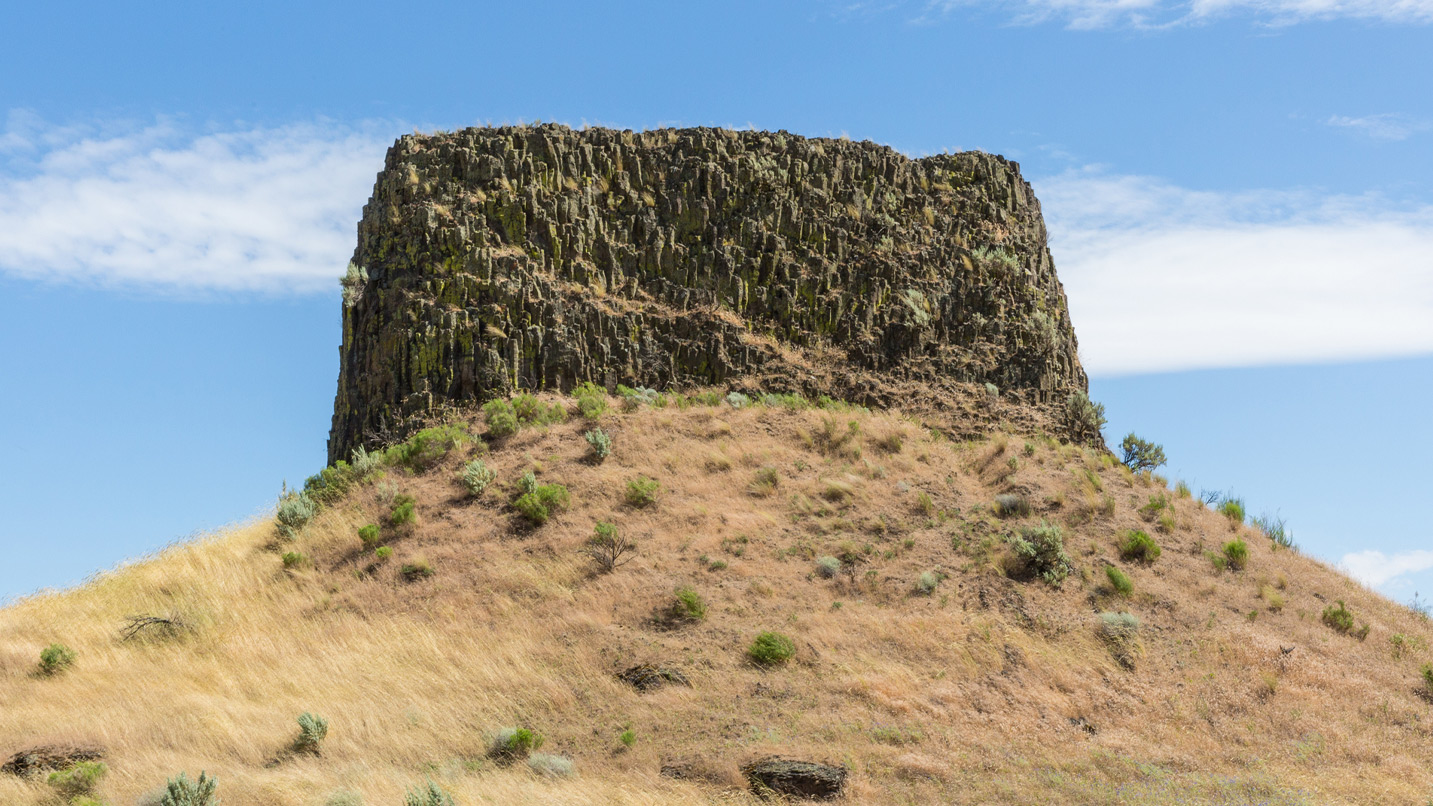
From Pendleton drive northwest past gently rolling wheat fields toward the Columbia River to reach Hat Rock State Park, on the south shore of Lake Wallula. This park takes its name from the distinctively shaped basalt formation that Lewis and Clark noted in their journals. Spring brings vibrant foliage to the park as the oak trees and sagebrush start to flourish once again. It’s easy for kids to fish right near the parking lot, from a bridge across a finger of the small lake. The short but steep Hat Rock Trail ascends to the base of the rock, and interpretive signs along the way provide details of the Lewis and Clark Expedition. Or connect to the longer Lewis and Clark Commemorative Trail that continues for 8 miles along the Columbia River.
Heading east from Pendleton on Interstate 84, the landscape transforms dramatically. Sagebrush steppes give way to ponderosa pine forests as you enter the Wallowa-Whitman National Forest and climb into the Blue Mountains. Bring snacks, water and adequate fuel, as stores and gas stations are few and far between here.
At Emigrant Springs State Heritage Area, a scenic viewpoint across the road from the park affords views across forested valleys. A small Oregon Trail display in the park and a 1.5-mile nature trail provide opportunity for a leg-stretching stroll. At Deadman Pass Rest Area, 9 miles northwest of Emigrant Springs on I-84, visible wagon ruts can be seen crossing the landscape on the south side of the parking lot — they aren’t marked, but try to find them; just be sure to remain behind the wire fence. Note that signage in this area can be confusing, because there are two Deadman Pass parking lots depending on your direction of travel, but the south side of the highway offers the best vantage points.
Some of the best-preserved wagon-train ruts can be found in La Grande (about an hour southeast of Pendleton) at the Oregon Trail Interpretive Park at Blue Mountain Crossing, generally open late May to early September. This small interpretive park offers a half-mile, wheelchair-accessible loop with picnic tables, drinking water and restrooms. Park for free with a Northwest Forest Pass or America the Beautiful National Pass, or pay $5 per vehicle.
Experience the Blue Mountains’ Wildflowers
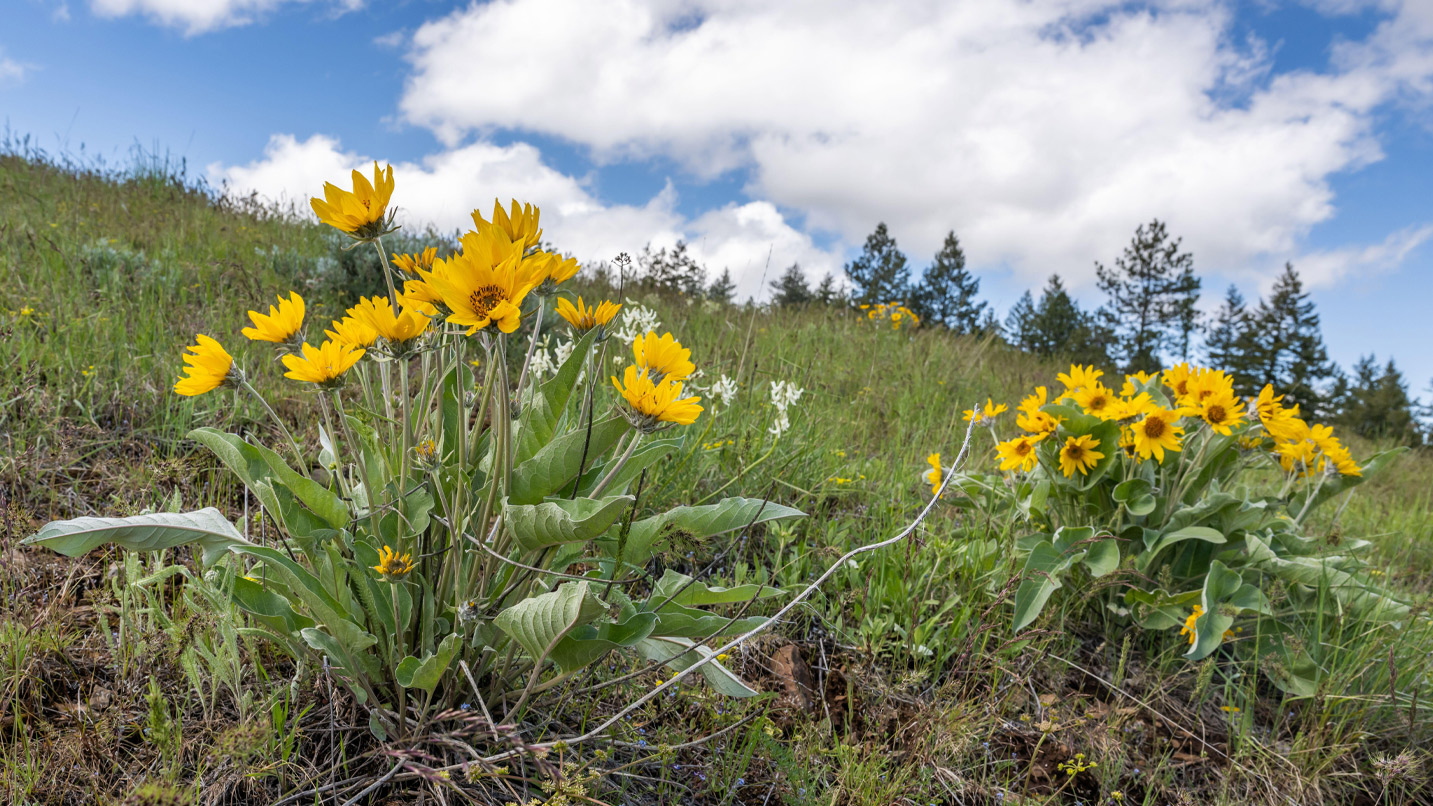
Spring in the Blue Mountains offers exceptional displays. Near the summit — about 22 miles southeast of Pendleton — you’ll find the recently renamed Isqúulktpe Creek Overlook, which features remarkable spring wildflower diversity on a roughly quarter-mile trail along a ridge atop miles of rumpled, V-shaped valleys with heavily timbered creases. Peak blooms of Indian paintbrush, larkspur and balsamroot carpet the slopes from April through June. For a longer and more challenging hike about 45 miles east of Pendleton, take the 9-mile round-trip route up Coyote Ridge along the North Fork Umatilla River for a variety of wildflowers that peak in June.