




This is not someplace that I thought I’d ever be — at least not when there’s hundreds of inches of snow on the ground.
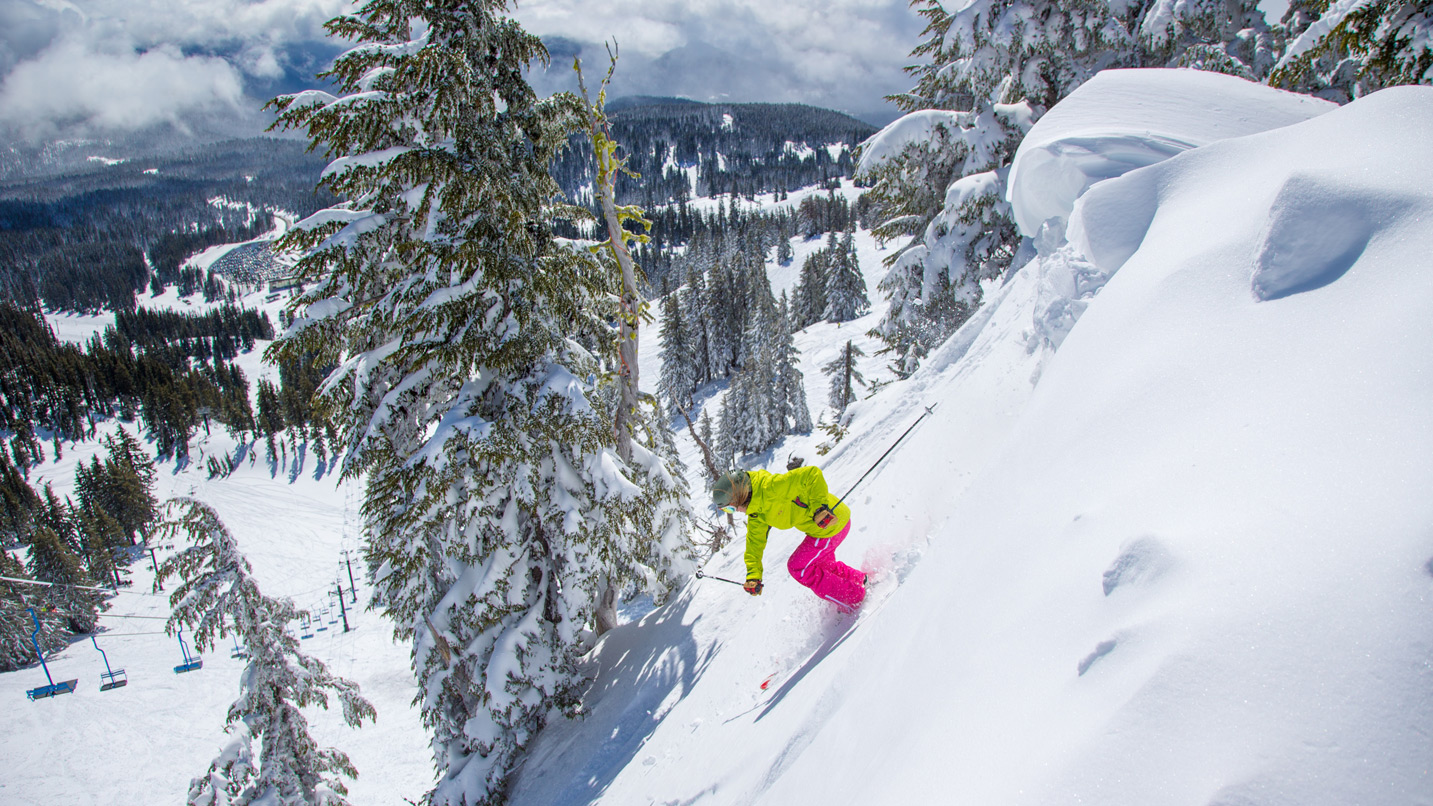
It’s Clark Canyon, a gorgeous alpine gorge high up on the eastern slopes of Mt. Hood, about 67 miles east of Portland in the Mt. Hood National Forest. An Ohio native who didn’t learn how to ski until I was 35 or so, I’m not sure I ever thought I’d be comfortable enough to make it to someplace as amazing as this. It’s advanced terrain that is technically part of the Mt. Hood Meadows ski area, but it’s not patrolled and not for the uninitiated. I’ve hiked the canyon in the summer as part of the Timberline Trail that circles the mountain in 41 unforgettable miles. I also wrote a book covering just about every aspect of this mountain. Skiing to this remote canyon, however, wasn’t ever really on my radar. But I’ve come a pretty long way since 35, and so here we are.
The sky is a deep mountain blue brushed with wispy clouds. The Newton Clark glacier up above is hidden under blinding white snow. A rare bit of late-winter sun illuminates this hulking, broad perspective of the mountain. My friend Ben and I are cracking IPAs and indulging in some fine cheeses — a trail staple for him no matter the season. We’re practically alone on this pocket of Mt. Hood, save for the very occasional skier schussing by.
It feels so much further away, so much more of an escape, than it really is. Just 30 minutes earlier, Ben and I had been bombing down the slopes with my son, Spencer, and his pack at Meadows, the mountain’s largest and most crowded ski area, which is fun and beautiful but with no sense of solitude or escape.
Here in Clark Canyon, it’s quiet. The mountain is brilliant. Spence and his boys have sailed off down the mountain, and it’s just me and Ben soaking it all in for an incredible spell. No worries. No cares. No everyday commitments. Just an escape from it all, not far from home, on a single glorious day on Mt. Hood.
Here’s all you’ll need to know about this marvelous mountain to get started on your own getaway this winter.
Mt. Hood’s Natural History
For both veteran mountaineers and folks new to the mountain, Mt. Hood is a special place. The tallest peak in Oregon at 11,245 feet, the volcano first began taking shape well over 500,000 years ago. It has an eruptive history but was also encased in ice until those sheets receded some 15,000 years ago and the mountain that we know today emerged: carpeted with forests, spring wildflowers and mushrooms; buried under snow; frozen with glaciers and flowing with rivers; and peaked with a profile that epitomizes just what a mountain should look like.
Native Americans found – and still do find – sustenance and spirituality in the mountain. Early white settlers saw it as a scenic obstacle on their way along the Oregon Trail. And eventually, as Portland grew and more people came this way, the mountain — named after a British admiral who never laid eyes on it — drew people to its flanks, its foothills and even its summit to escape.
The first official recorded climb to the summit happened in 1857. The first resort lodge on the mountain, Cloud Cap Inn, was built in 1889. The Mazamas outdoor club, still a recreational force today, was founded on the summit in 1894, and the first ski area on Hood, Summit Pass, opened in 1927 and is today the second-oldest continuously operating ski area in the U.S.
The late 1920s and ’30s saw the dawn of Mt. Hood Skibowl, Cooper Spur Ski Area, Timberline Lodge and its storied slopes, and many of the trails that wind their way through the mountain’s topography today. Then came Mt. Hood Meadows, which first fired up its lifts in 1969.
Escape to the Lodge or Ski Slopes
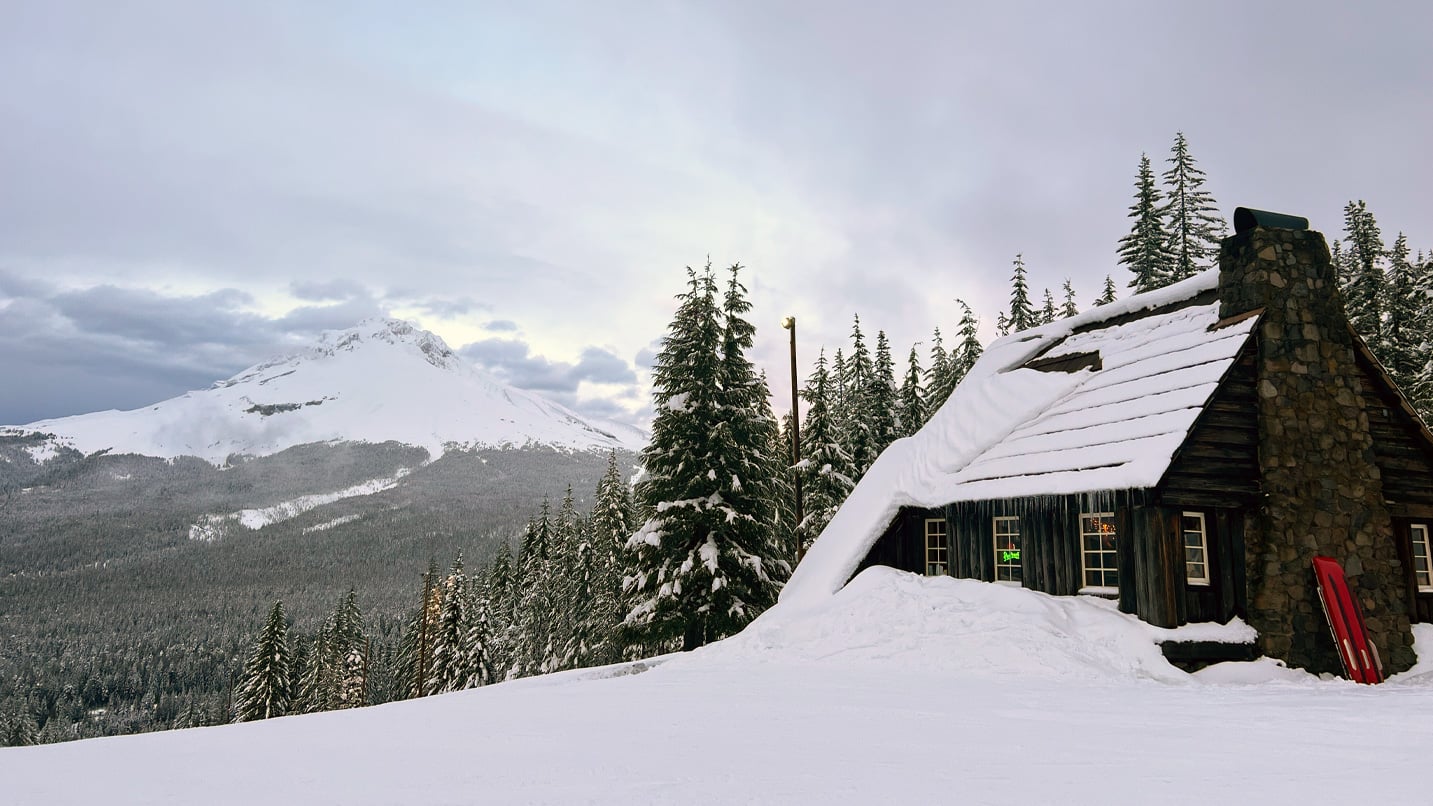
Today Mt. Hood is a popular place, but it’s a big mountain with much to experience and many places to escape for a day and become more acquainted with the peak. First-timers could do no wrong with a drive up to Timberline Lodge, one of the most quintessential mountain getaways around and the exterior of the spooky hotel in “The Shining.” The lodge is rustic and charming, an architectural and structural marvel that’s open to all and chock-full of history and singular features. The fireplace andirons, for example, were made from old railroad tracks, and the chain screens were once tire chains used on the trucks that hauled up supplies during construction of the lodge.
Downhill skiing is big on Hood and it gets busy, but who wouldn’t want to be halfway up a mountain on a perfect snow day? The mountain is better known for its views than its fluffy powder — Meadows, over on the east side, gets snow that’s a tad more feathery — but the season at the higher Hood resorts usually lasts from late November well into May, allowing skiers to hit the slopes longer.
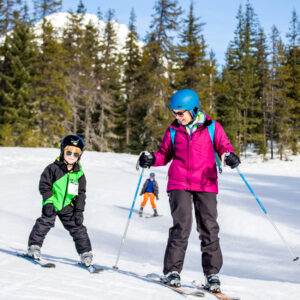
For those new to the sport, Summit Pass is the perfect place to learn. All of the resorts offer lessons and beginner terrain to get anyone started. For the hardcore, experienced backcountry skier looking for a challenging adventure on Mt. Hood, a new book has all the details needed to ski one of seven expert routes off the summit of the mountain. Called 11,239: A Skiing and Snowboarding Guide From the Summit of Mount Hood, the book comes from Hood legend Asit Rathod, who has climbed the mountain and skied from its summit more than 300 times.
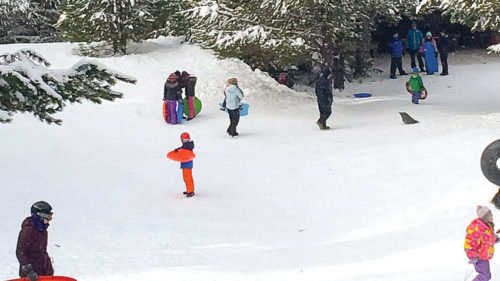
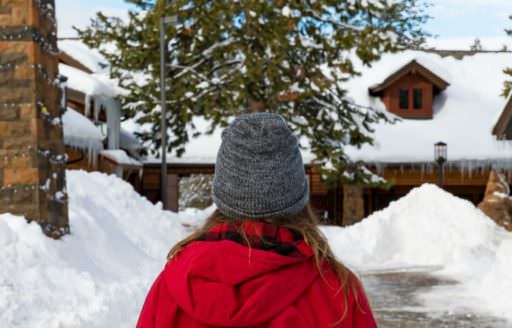
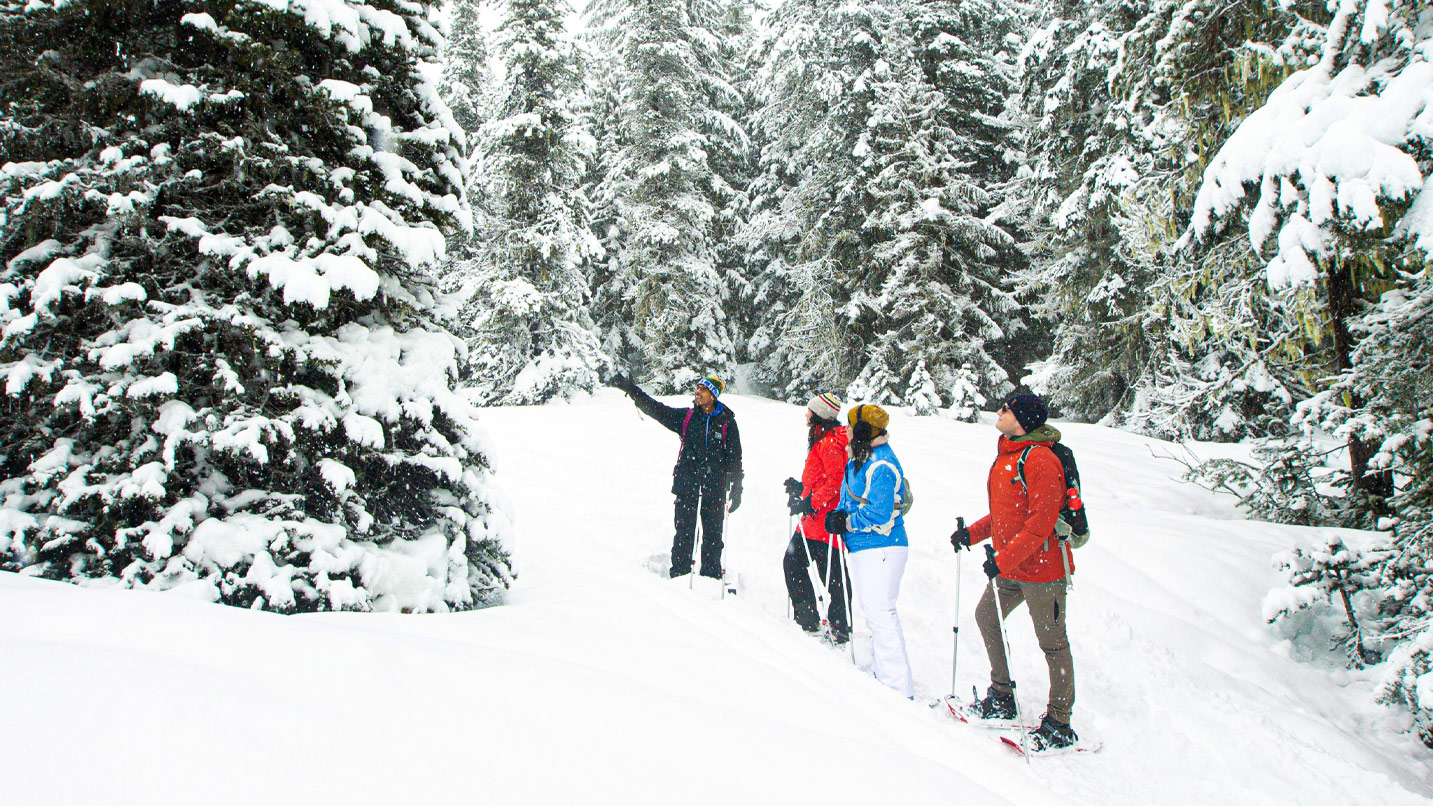
Beginners and families can still find plenty to escape to on Mt. Hood during the snow season, whether that’s sledding at White River West Sno-Park, cross-country skiing at Teacup Lake or snowshoeing out to Trillium Lake, with its spectacular view of the snowy mountain. Any time of year, you can stroll the streets and visit the shops of Government Camp, a great base camp for adventures.
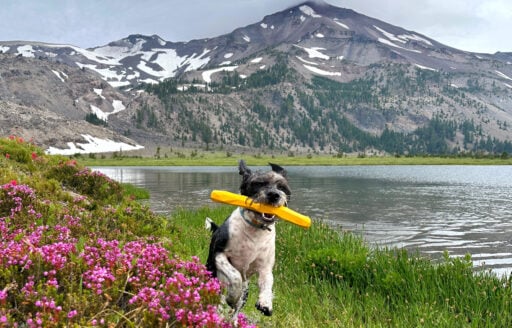
There are also hikes galore in the spring and summer. Some of the best and most scenic trails include McNeil Point, Elk Meadows and Cooper Spur. Picture-perfect lakes like Lost, Timothy and Clear — and more — give adventurers all they need to paddle on and swim in. Want to zoom down the mountain? You’ll find enough mountain biking trails carved through the forests in the shadow of Mt. Hood to make any shredder smile.
If You Go:
- Be prepared for winter conditions. Check road and weather conditions before heading out, and carry snow chains or traction tires when advised. Find more details on winter safety, including equipping your car for winter travel and how to check on local conditions.
- When you hit the slopes, follow Leave No Trace principles, including packing out your trash and respecting wildlife and other visitors.
- Dress appropriately for winter activities and know your skill level and gear needs before setting out for a challenging adventure.
- Cell service may be spotty, so download maps and trail directions before you leave.