


Bouncing on a raft through whitewater rapids on the Klamath River, I hear one guide ask the other, “You reckon we go left around the rocks here?” As an experienced rafter in Oregon, I know guides hardly ever ask each other questions about the route since they know it so well.
This, however, is a unique experience. I’m on the first-ever commercial rafting trip down Kickacéki Canyon in a newly reborn section of the sometimes wild but always scenic Upper Klamath River in Southern Oregon, between Ashland and Klamath Falls, where four dams were removed in 2024.
For over 100 years, the river was a reservoir covering hundreds of acres with calm, deep waters. Once the dams were removed, it restored a section of the Klamath River not seen since the early 1900s. A guided trip reveals new vistas that can now be enjoyed on the river by expert rafters and novices alike.
Here’s what to know about the river restoration and how to book your own trip.
What to See on the Upper Klamath River
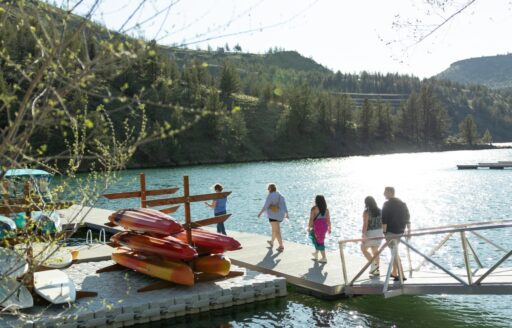
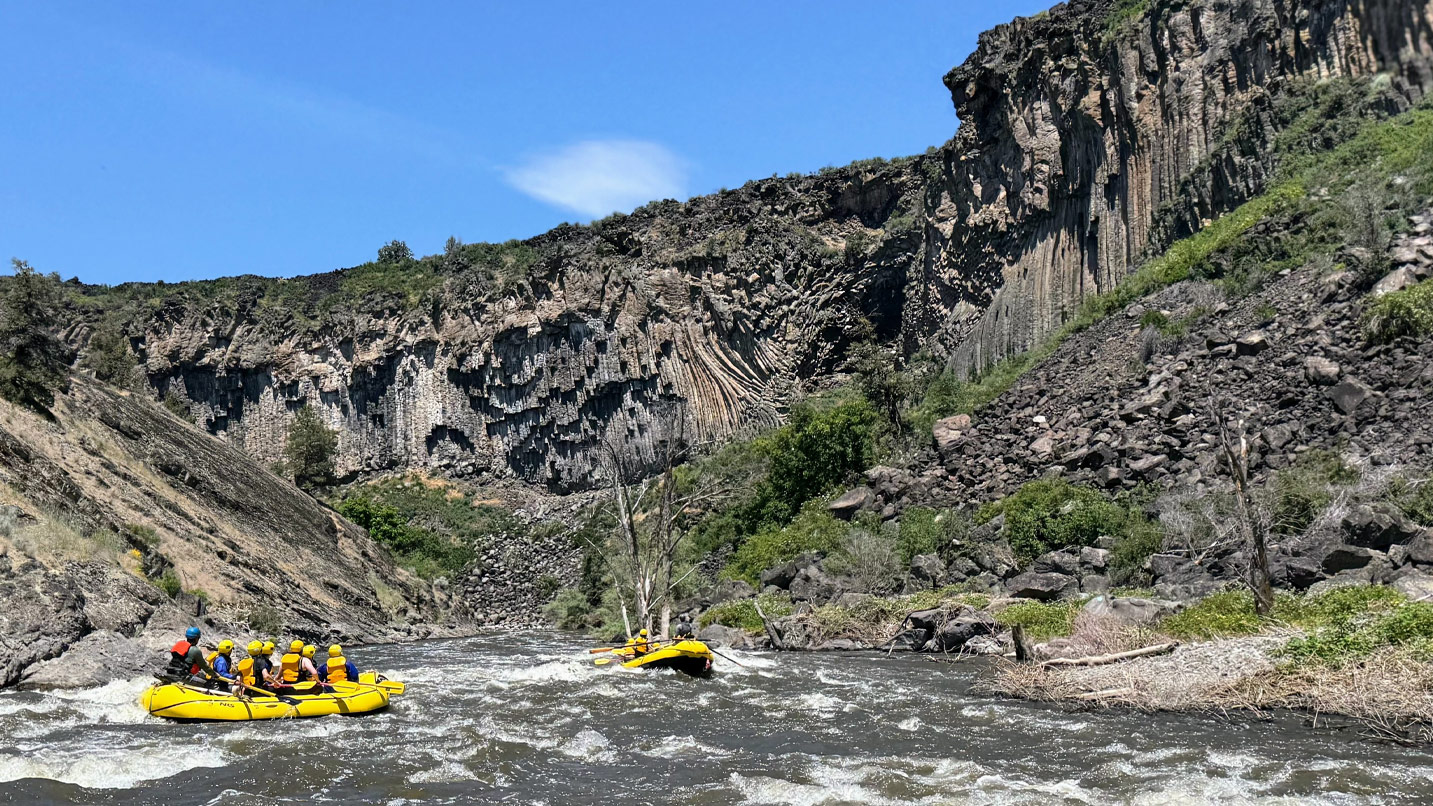
The first sign that this is going to be an unusual day of rafting comes as our trailers descend down … and down … and down … along rutted dirt roads, past former lakeside homes whose boating docks now hang in thin air, as if waiting for a flying ship to come dock. The transformed waterway courses dozens of feet below them, the reservoir only a memory.
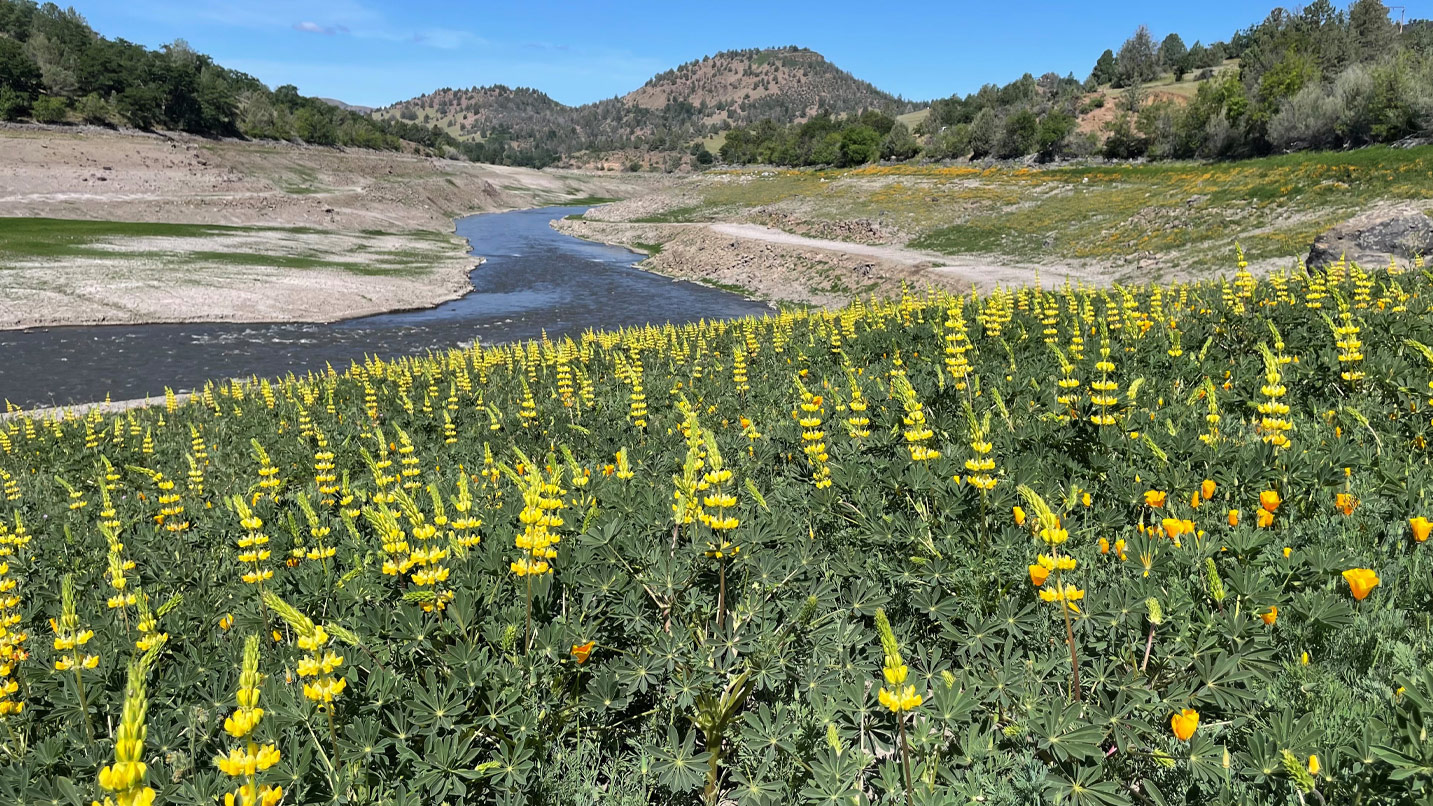
Our group has a couple of rafts with 10 guests and guides from two Oregon rafting companies, Noah’s River Adventures and Indigo Creek Outfitters. We arrive riverside — a watershed reborn after more than a century buried beneath the unfathomable weight of 45 billion gallons of reservoir water — to see fresh growth of wildflowers, grasses and wispy trees.
The river at our entry point, like many others along the route, is slow and smoothly flowing, spread over flatter sections of the Klamath River’s path to the Pacific. While the late May sun is hot, the waters are frigid, so we don wetsuits that cover us neck to toe, as well as life vests and helmets to protect against mishaps. The guides share a safety and strategy briefing, with the usual tips and paddling commands, but with one exception.
“So we’re going to be trying out a few new routes today,” one guide says. “Bear with us if we get stuck or a little off-course.”
The guides have rafted this new section of the Klamath on their own about 10 times, so we’re not descending into the unknown, but it’s quite fresh compared to most Oregon rivers, where guides have run the river over hundreds of days across multiple seasons and know every curve, rock and eddy along the route. With their first contingent of guests, nobody knows exactly what to expect.
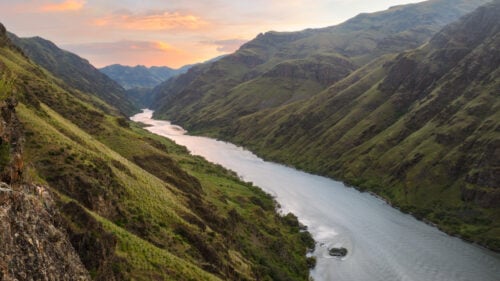
As we flow down the gentle part of the river, I’m surprised at the verdant scene. I imagined a haunted wasteland of ghostly tree stumps and a century of trash rusting in recently exposed mudlands. Instead, fields of bright-orange California poppies, small forests of thin trees and bushes cover gently sloped lowlands. I even spot a deer trotting near the river to nibble at fresh seedlings.
“We knew [the dam removal] was going to happen , but didn’t realize just how spectacular it was going to be,” says Will Volpert, who guides and co-owns Indigo Creek Outfitters. “I even saw a bear here earlier this spring, which means the salmon are back big time. It’s really amazing.”
As the terrain begins to change with steeper slopes and a narrower canyon, the waters start to pick up energy.
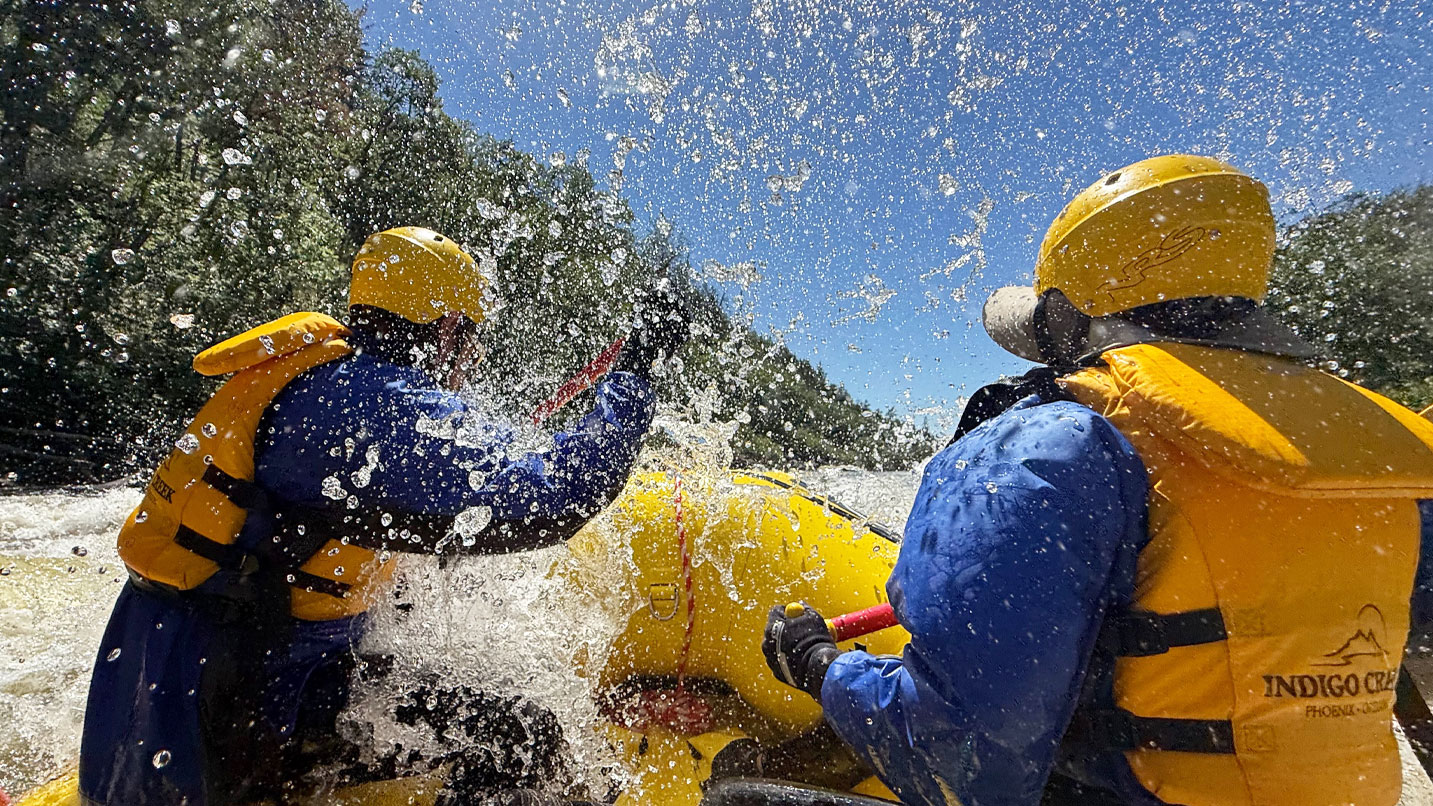
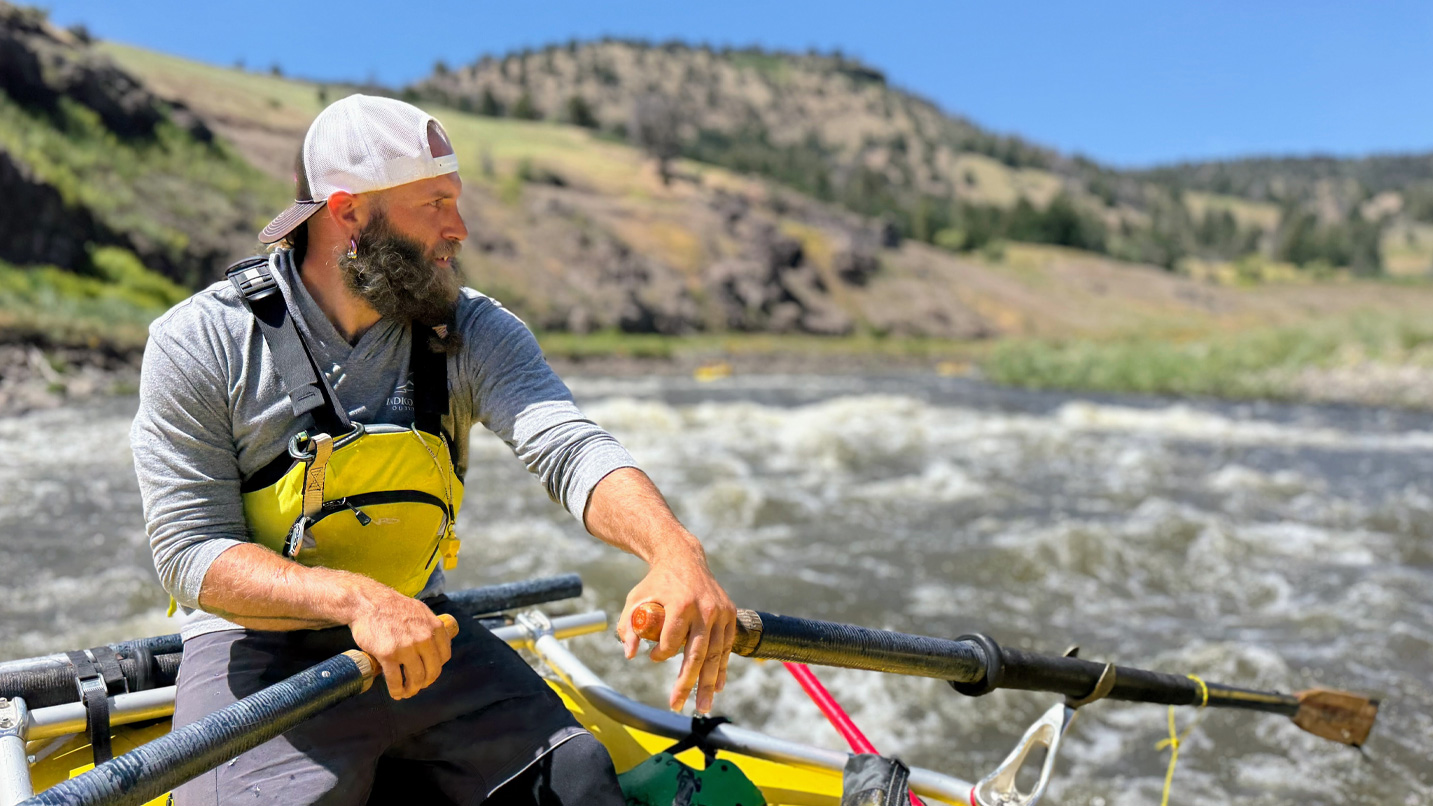
“Ohhh, this is going to be spicy,” shouts Indigo Creek guide Ben Limahai, as our raft rides through quickening river flow into a section of whitewater. This canyon section is classified as “IV+” in the industry-standard notation for the size and difficulty of rapids, ranked from one to a maximum of five. The rapids are big, so the commands to paddle “all forward” get louder, and we whoop as the roller-coaster ride douses us with chilly blasts of river water. We’re in little danger with our professional guides, but one raft does get stuck on a rock for a few minutes as a new route proves to be “a little too chunky,” according to their comical river code.
When the waters calm, we stop for lunch at a riverside clearing. Towering cliffs dotted with birds’ nests surround the area. “No humans have gathered on this shore in more than 100 years,” says Volpert. A bald eagle circles above, likely as curious and amazed about these new visitors as I am about this whole scene.
Witness the Effects of Dam Removal
The Klamath’s rebirth is a story demonstrating the power of cooperation between Oregon’s diverse stakeholders, including business groups, recreational-outdoors travelers, environmental activists and native cultural groups.
From 1907 to 1925, Klamath river sections disappeared under reservoirs as power companies built four dams along the Upper Klamath River. The concrete Copco 1 dam towered more than 120 feet high and 450 feet long.
While the dams generated power for decades, cultural and environmental concerns began working toward change. Native American tribes that lived for centuries in the watershed were displaced by the projects, and hilltops considered sacred ground became submerged. Salmon runs — long plentiful in the region — dropped dramatically with dams blocking the river flow.
It took nearly two decades of coordinated work between groups to spur dam removal. Once the groups reached consensus, the dams were blasted and hauled away in less than a year.
Following the water release, volunteers and environmental firms cleared lake-bottom trash and tree stumps and planted millions of seeds, including masses dropped from helicopters to reach muddy flats inaccessible by vehicles and hikers.
“Everything we’ve done here is unprecedented,” says Noah’s River Adventures’ owner and guide, Bart Baldwin. “We’re essentially a template for the rest of the country to follow.”
As my rafting adventure and the dozens that have followed demonstrate, Kickacéki Canyon is once again alive and well. The river’s rebirth is a powerful example of the positive effects of dam removal and the reward for the efforts of diverse groups united for a common cause. (For more inspiration, check out the Indigenous youth group that paddled the entire river — about 300 miles to the ocean — undertaking one of the first journeys on the restored waterway.)
Tips for First-Time Rafters
The Upper Klamath River features a variety of sections good for any level of rafter, from novice young kids and seniors to hard-core rafting fanatics looking for aggressive whitewaters.
Preparation for any rafting trip begins by selecting a level of trip that’s right for you. Rafting outfitters are very safety conscious, so will describe their trips with the expected skill level required. Beginner trips on flatwater sections of the river are a great way to start. Recently developed Klamath landings and launch points allow beginners to enter and exit the river without facing any whitewater. Try out a half-day trip before signing up for a multiday adventure.
Every rafting trip begins with a safety briefing, and guides are well versed in rescue skills should anything go wrong. But even on Klamath’s heavy whitewaters, accidents are rare with organized trips. More common hazards are sunburn and poison oak rashes, so bring some waterproof sunscreen and watch where you walk on shore.
How to Arrange a Trip on the Upper Klamath River
Multiple guiding services operate rafting trips on the Upper Klamath. Rafting season usually runs from late spring to early fall, but you’ll want to book well ahead of time to secure your place in these popular tours. Look into trip locations and skill levels to find an experience that’s right for you. Trips can range from half-day outings to multiple-day experiences.
The Ashland-area-based outfitters who led my trip in 2025 — Indigo Creek Outfitters and Noah’s River Adventures — lead trips on the Klamath and Rogue rivers, as well as on rivers across Oregon. Momentum River Expeditions, also based in Ashland, runs summer day trips as well as two-day whitewater adventures on the Upper Klamath and other rivers. High Country Expeditions, headquartered in McKenzie Bridge and Bend, also runs trips on the Upper Klamath as well as on other rivers across Oregon.