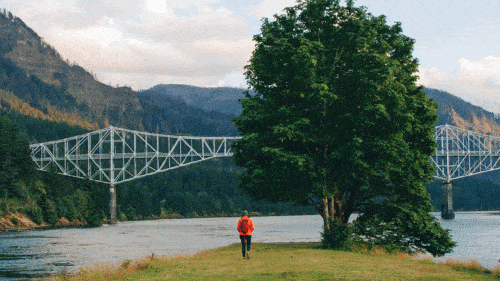
In 2014, the film “Wild” introduced the world to Cheryl Strayed’s effort to hike the Pacific Crest Trail. Reese Witherspoon delivered an Oscar-nominated performance, but another star shone bright in the film’s climactic scene. The Bridge of the Gods, which rises 140 feet above the Columbia River in Cascade Locks, is where Strayed ended her journey with a panoramic backdrop.
The steel cantilevered bridge opened to the public in October 1926, but it was rooted in centuries of history. More than 550 years ago, an earthquake triggered a massive landslide that cascaded down the forested slopes of the Columbia River Gorge and created a land bridge that largely blocked the Columbia River. In the years that followed, the Cascade Watlala people called the land bridge Tahmahnaw — later translated by European Americans as “bridge of the gods.”
The bridge that pays homage to Native history will celebrate its 100th anniversary in 2026. As that centennial approaches, here’s more about the history of the steel span, along with where to see it and how to attend celebratory birthday events in fall 2026.
How to See the Bridge of the Gods
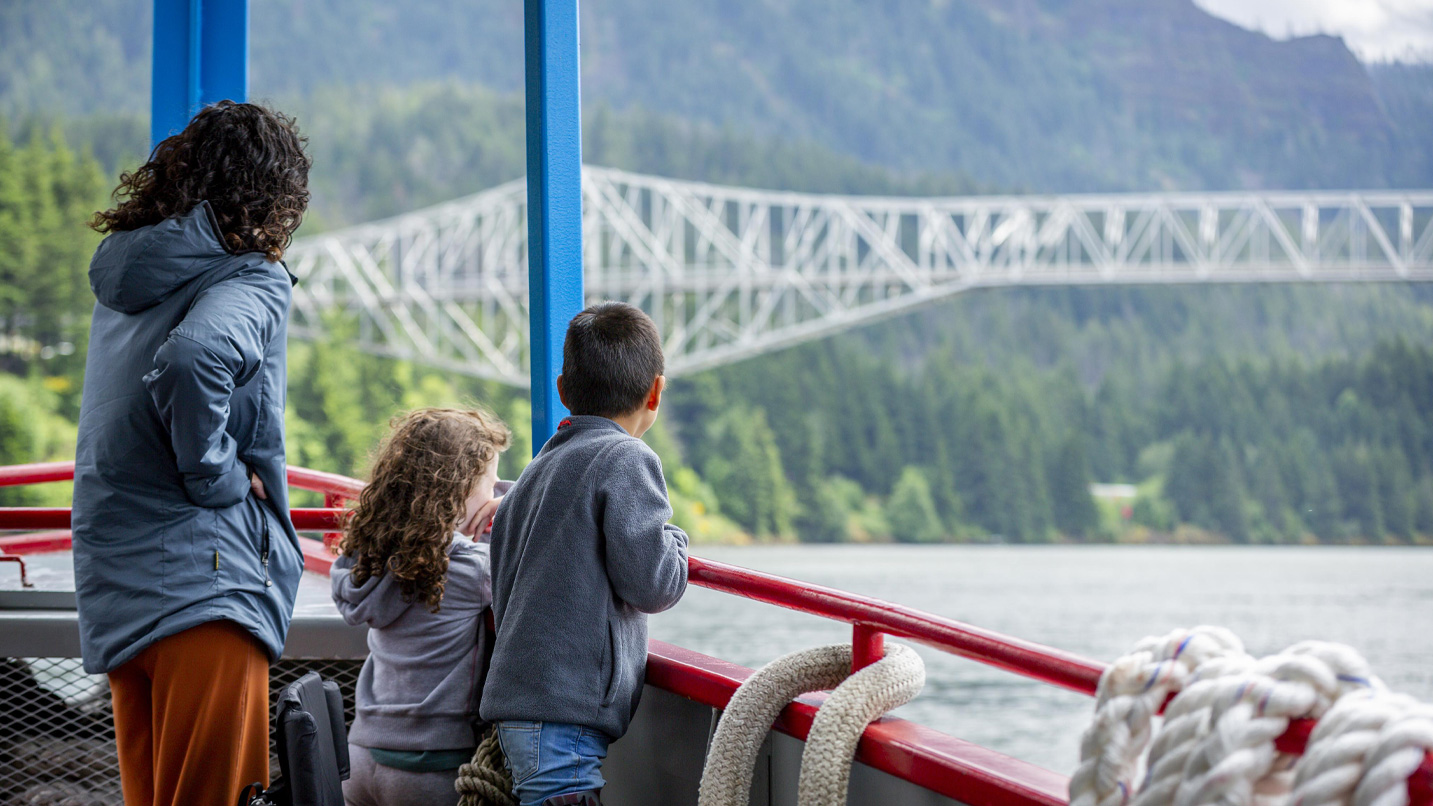
In 1917 businessman George S. Allen proposed building the first road bridge across the Columbia River in the Gorge to welcome the first wave of automobile tourists. Designed by engineer R.M. Murray, the bridge opened on October 26, 1926, and is today one of the only remaining steel cantilevered bridges in the Pacific Northwest.
Janice Crane, executive director of Cascade Locks Historical Museum, says that part of the bridge’s beauty comes from its surroundings. “The contrast between the steel and the mountains is really interesting,” she says. “It has enough of a shapeliness to it that makes it iconic and interesting without detracting from the view.”
To learn all about this structure, first head to the museum, which hosts an ongoing exhibit, including stunning photos on the museum’s website. You can see the span up close in Cascade Locks Marine Park near downtown and along the Columbia River. Start by enjoying bridge views from Thunder Island, an islet within the park that’s accessed via pedestrian bridge. Marine Park is also where you’ll board the Sternwheeler Columbia Gorge, whose historic vessel heads under the steel span on sightseeing cruises.
Crane says several events are being planned to commemorate the bridge’s 100th anniversary. A free centennial celebration — complete with art, live music, presentations and a marketplace featuring regional artists and businesses — is planned for September 20, 2026 at Cascade Locks Marine Park. Main Street Cascade Locks is planning additional events in October 2026.
Plan a Waterfall Hike Near Cascade Locks
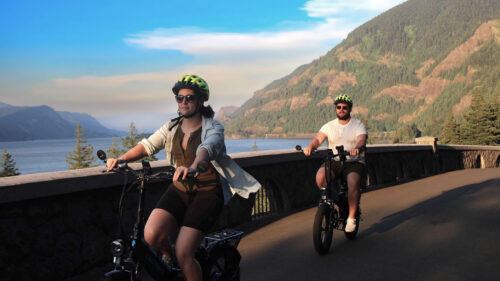
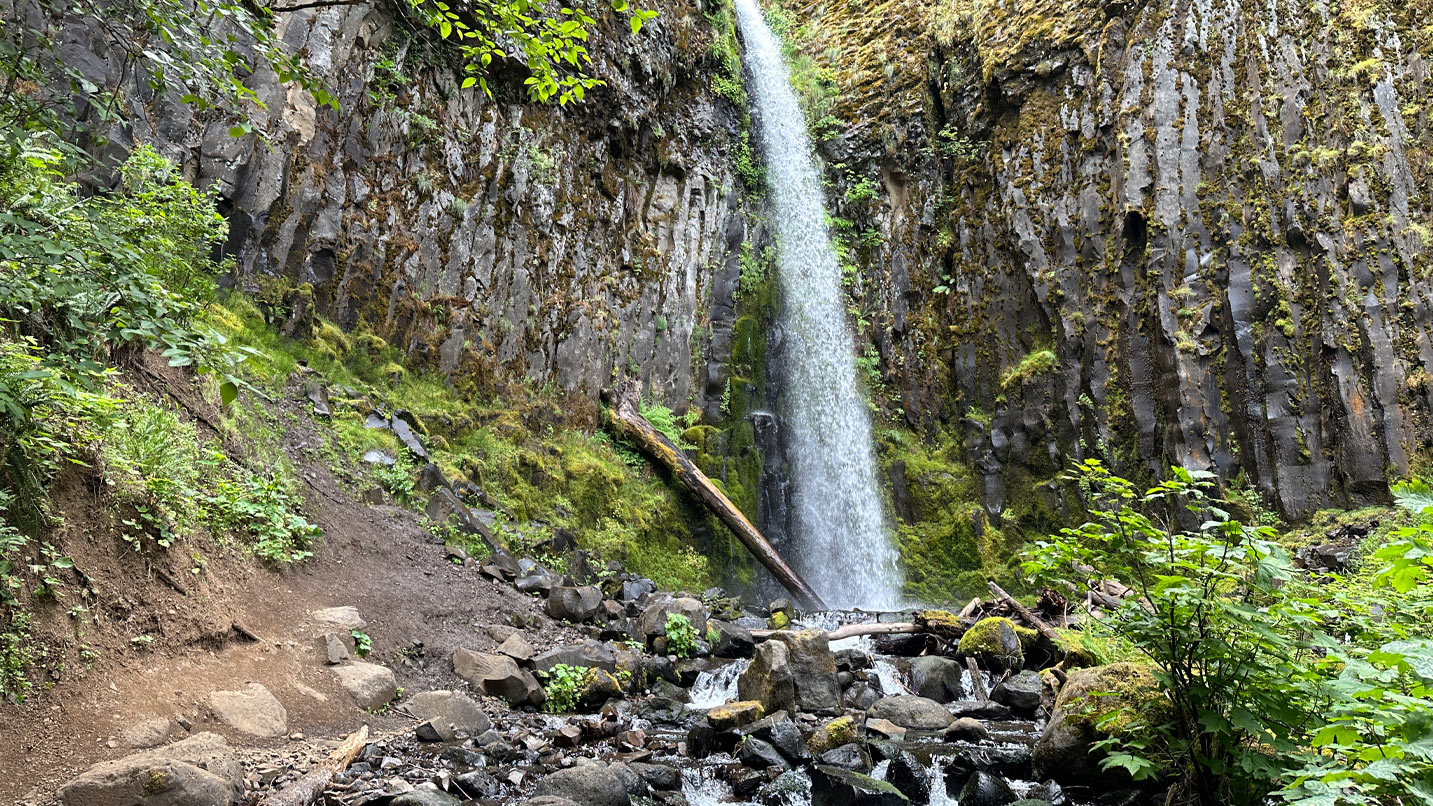
Consider these day trips to enjoy Gorge views from multiple perspectives. Starting from Toll House Park in downtown, hike a section of the Pacific Crest Trail to Dry Creek Falls, which cascades in an amphitheater of columnar basalt. Enjoy an active day with an outing on the paved, wheelchair-accessible Historic Columbia River Highway State Trail, which follows the path of the former Gorge thoroughfare. East of town, you’ll find a few more waterfalls and wide-open views along the newest paved section of trail, completed in 2025, on the 6-mile (one-way) stretch between the Wyeth Trailhead and Viento State Park. If you don’t have your own ride, rent a bike or book a guided tour through Bike the Gorge.
Just 14 miles east of Cascade Locks, head into the wheelchair-accessible Mitchell Point Tunnel, which cuts through a Gorge hillside. The tunnel, which opened in 2025, was built to resemble an original tunnel on the Historic Columbia River Highway and shows off the surrounding landscapes from along a paved path.
Where to Eat, Drink and Sleep
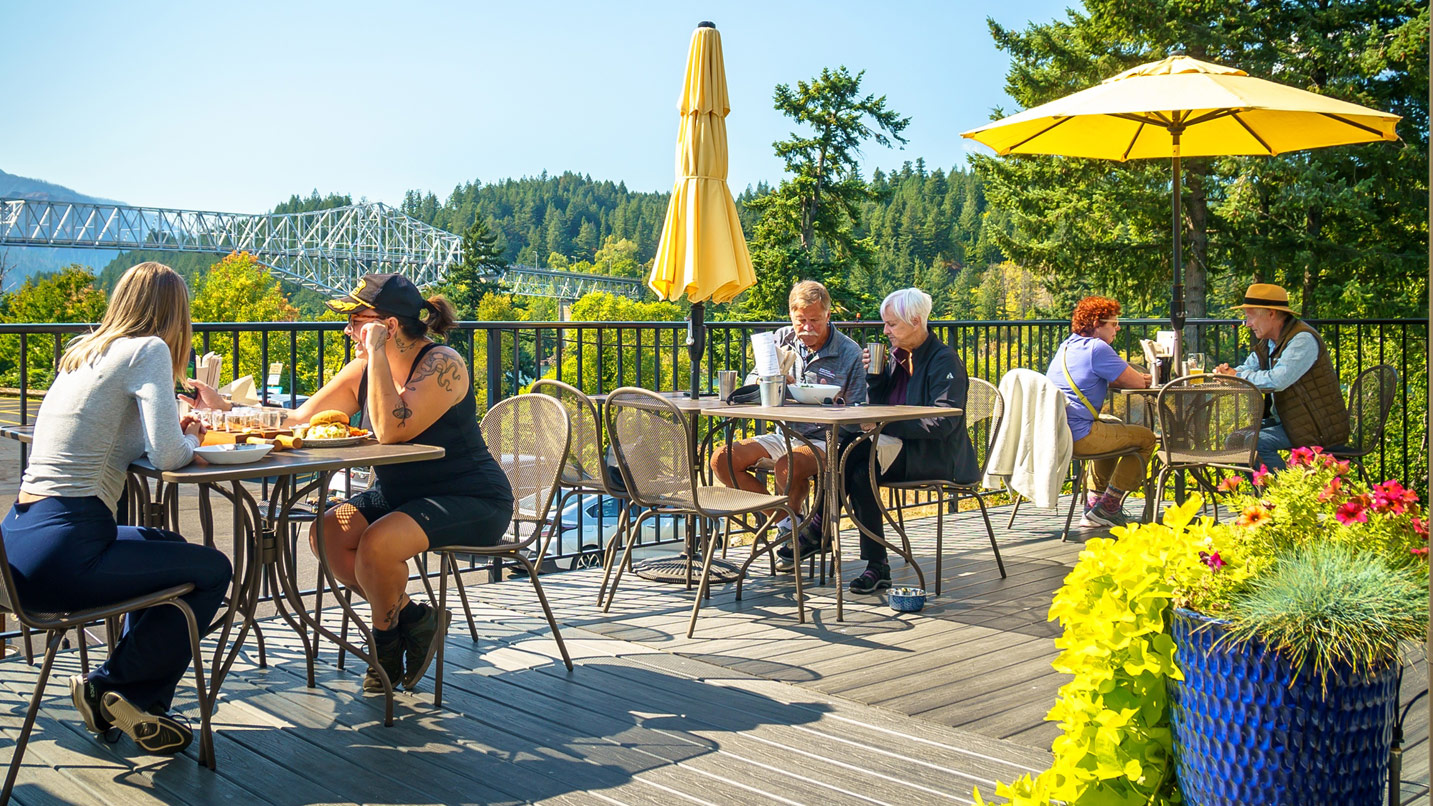
Admire the crossing with appetizing bites in Cascade Locks, and extend your visit with an overnight stay. Downtown, savor bridge views from eateries in Cascade Locks. Pair a wild-caught salmon and veggies bowl with craft brews on the second-story patio at Thunder Island Brewing Company. Next to the crossing, angle for an outdoor seat at the appropriately named Bridgeside, a long-running diner that’s famous for its Char Burger, charbroiled and adorned with homemade Thousand Island dressing. Before you leave, be sure to pick up some freshly caught salmon from Native-owned Brigham Fish Market or family-owned stalls.
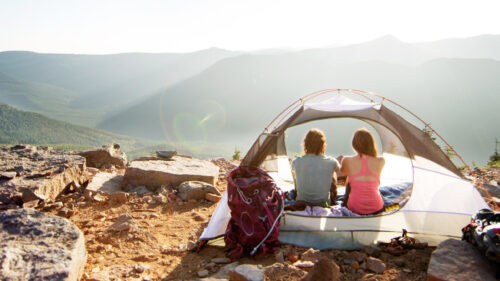
If you’re staying the night, book a river-view room at Best Western Plus Columbia River Inn just north of the bridge. Enjoy the best views of any hotel in town on private balconies and an adjacent waterfront path. One mile east of downtown, enjoy a quiet stay at Cascade Motel, where roughly a dozen vintage cottages offer a variety of modern amenities. A short stroll from downtown, pitch your tent or park your RV at the Marine Park Campground, which sits along the Columbia River and affords bridge views from the neighboring Thunder Island.
Before heading to Cascade Locks, consider planning a car-free adventure by taking the Columbia Area Transit’s Columbia Gorge Express. The bus provides daily service between Portland and Hood River, with a stop in downtown Cascade Locks.
If You Go:
- The Bridge of the Gods is a toll bridge, and fares can be paid with cash or credit cards, or by paying ahead of time, or after crossing here.
- The bridge is technically open to pedestrians — Pacific Crest Trail hikers must cross the narrow, two-lane span on their trips — but there is no sidewalk or protective barrier, so use the utmost caution if you venture out across the water.