
Since time immemorial, Native Americans have fished, camped, hunted, traded and lived across modern-day Oregon — from the forests of the Coast to the heights of the Cascade Range and sweeping expanses farther east. Native American culture is still alive and well today across the state.
Today nine federally recognized tribes call Oregon home, and their stories come to life at museums that showcase their past and present way of life, as well as shed light on our state’s relationship to its native people. After browsing the Experience Indigenous Oregon guide, learn how to connect with Oregon’s tribal cultures at museums specializing in Indigenous history and culture.
View Immersive Exhibits of Columbia River Gorge and Eastern Oregon Tribes
When it opened in Corbett and along the Historic Columbia River Highway in March 2026, the Crown Point Country Museum became the newest museum to honor and celebrate local tribes in Oregon. Visit seasonally — in 2026 the museum closes in November, so check the website for updates — to experience the stories of the Wasco band of the Confederated Tribes of Warm Springs and other Indigenous groups through oral histories, photographs and the tools used to survive.
Farther east in Pendleton the Tamástslikt Cultural Institute covers 16,000 years of Confederated Tribes of the Umatilla Indian Reservation history.View immersive multimedia exhibits, learn about the 1855 Treaty of Walla Walla and see how the tribe is thriving today. Afterward, shop for crafts made by tribal members in a gift shop, and stop by the on-site Kinship Cafe for light bites made with wild-caught salmon and huckleberries.
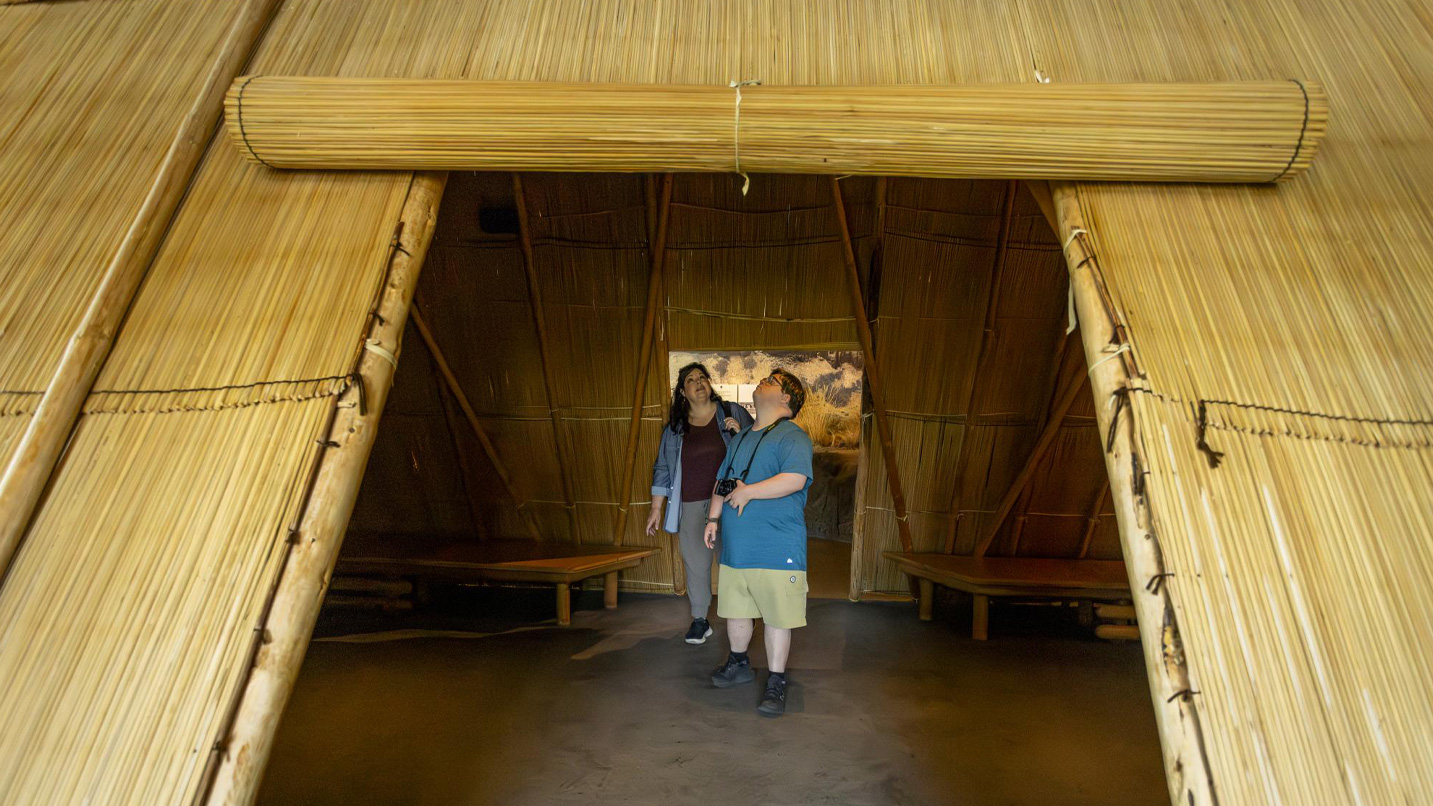
In Ontario the Four Rivers Cultural Center hosts a life-size diorama of a Northern Paiute village, whose traditional homelands cover much of Eastern Oregon. You can also view cooking tools, beadwork and other items from the Burns Paiute Tribe.
In the town of Wallowa, follow a riverfront trail while listening to a 60-minute audio tour that covers Nimíipuu words and phrases, culturally significant foods, and regional history at the Nez Perce Wallowa Homeland. Open seasonally from June through September, the visitor center for the Wallowa Band of the Nez Perce shares the culture of the band and its Wallowa Mountain homelands.
See Ancient Shoes, Baskets and Beadwork in the Willamette Valley and Central Oregon
Visit the Museum of Natural and Cultural History on the University of Oregon campus in Eugene, which covers 14,000 years of history through engaging exhibits and myriad artifacts. Take time to admire the Great Basin sandals, which were found in Fort Rock Cave in Southern Oregon. Estimated to be more than 10,000 years old, the sagebrush-bark sandals are the oldest known shoes in the world.
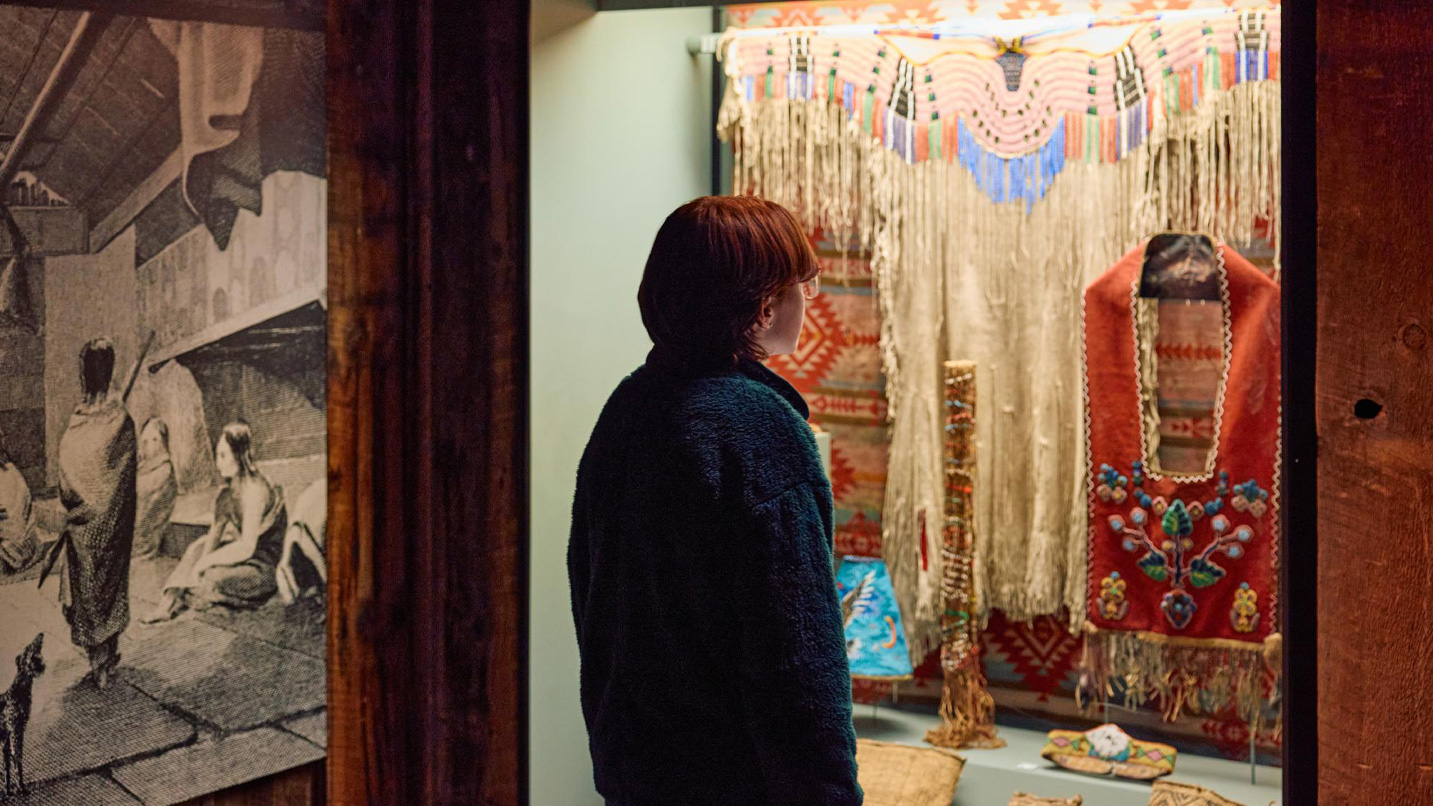
Get to know the Confederated Tribes of Grand Ronde at the Chachalu Tribal Museum and Cultural Center in the town of Grand Ronde in the Willamette Valley. There you’ll see a timeline that traces life for tribal members after contact with the first European-Americans, an extensive basketry collection, large-scale photographs and a canoe that is still used today.
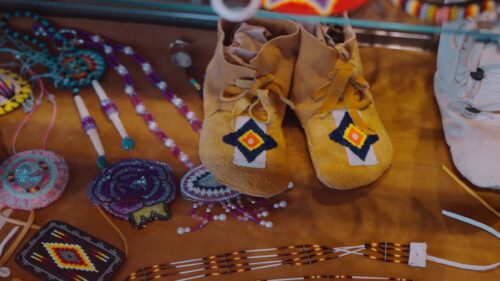
Near the edge of Central Oregon’s high desert, The Museum at Warm Springs shares the story of the Confederated Tribes of Warm Springs. Spend your time viewing vintage photographs and beadwork from inside a replica summer lodge, view maps that pinpoint key locations and moments in Warm Springs history, and view family heirlooms loaned or donated by tribal members.
Between Bend and Sunriver, learn about regional tribes at the High Desert Museum. As of the summer of 2026, the museum is renovating and expanding “By Hand Through Memory,” its permanent exhibit on Indigenous communities throughout the Northwest. In the meantime, time your visit to align with the museum’s annual Indigenous Speakers Series, which features a series of talks with Native authors, filmmakers and scholars between fall and spring.
Experience Native Culture Elsewhere in Oregon
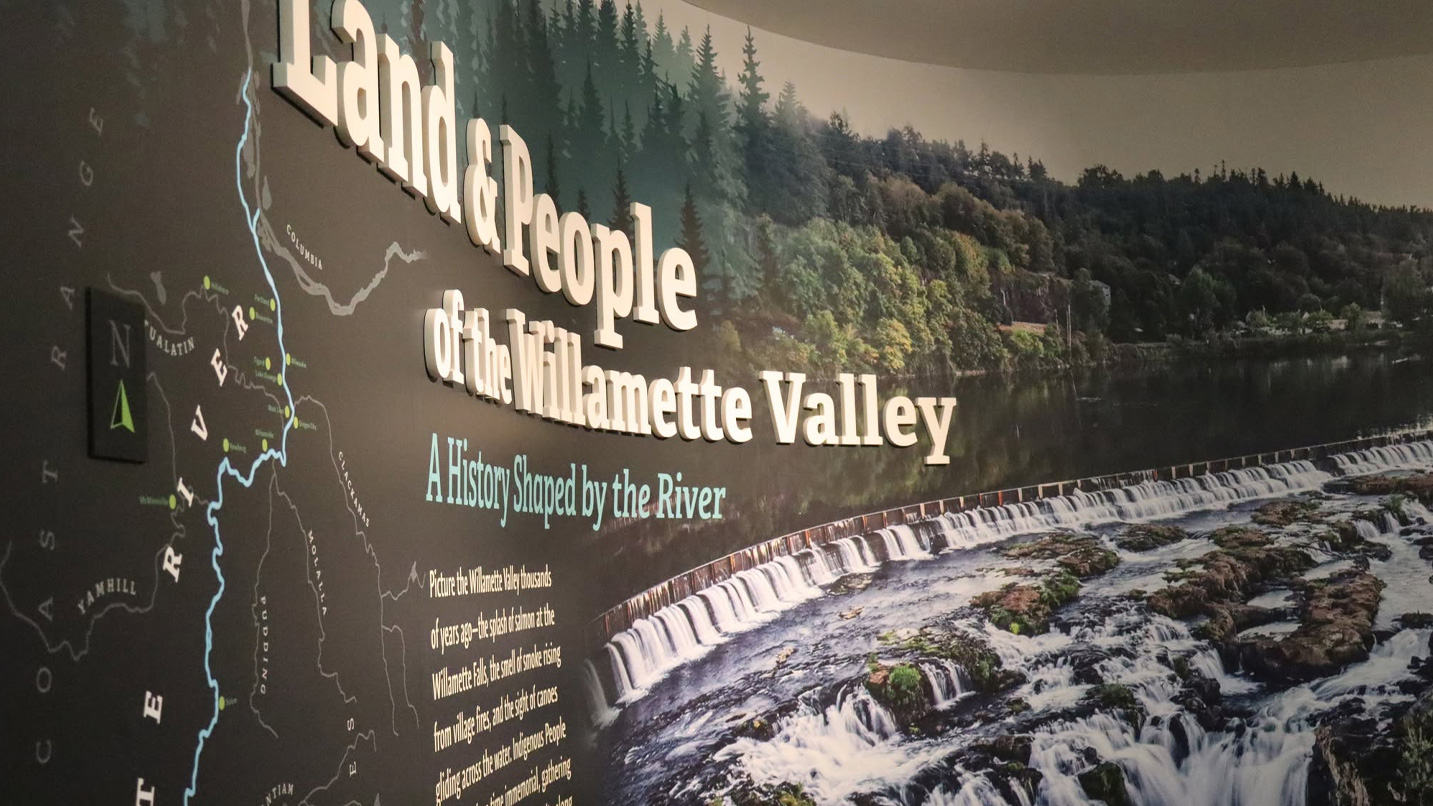
At the southern edge of downtown Oregon City, visit the Museum of the Oregon Territory for a wide-ranging look at local history. Head into the Indigenous People’s Gallery to view a plankhouse diorama, arrowheads and beadwork. You’ll also find an exhibit on Indigenous experiences in the Willamette Valley, which tells of the history of several tribal groups in the region, including the Clackamas and Clowwewalla people.
In Coos Bay, the Coos History Museum partners with the Coquille Indian Tribe, the Confederated Tribes of Siletz Indians and the Confederated Tribes of Coos, Lower Umpqua and Siuslaw Indians to share the past and present of South Coast tribes. Hear about efforts to keep tribal languages alive, and see what life was like for local groups before the arrival of European Americans.
View more than 100,000 artifacts and items from Indigenous tribes at the Favell Museum in Klamath Falls. Much of the collection — including arrowheads, knives and clothing — focuses on Native American tribes from throughout the Pacific Northwest. Several display cases are devoted to the regional Klamath Tribes.
If You Go:
Keep these tips in mind for enjoying a respectful visit:
- Museums may open only on weekends and keep limited hours between fall and spring. Visit your desired museum’s website or call ahead to confirm hours.
- If a tribal gathering or event isn’t clearly marked as being open to the public, consider it private and please refrain from attending.
- Treat tribal lands with respect, and don’t disturb or remove anything you find on your visit.
- Ask permission before taking photos of people or at events.
- Be mindful of taking photographs of museum exhibits and artifacts. Some museums ask visitors not to use flash photography, while others may limit photos altogether.